Allergies are becoming increasingly common in today’s fast-paced world, affecting millions of people of all ages. However, one of the biggest challenges people face is identifying the exact type of allergy they are dealing with. Many individuals often confuse seasonal allergies with food allergies because some of their symptoms can overlap. This confusion can lead to неправиль diagnosis, ineffective treatment, and prolonged discomfort.
Understanding the difference between seasonal allergies and food allergies is essential for managing symptoms effectively and improving overall health. Once you identify the root cause, you can take the right steps toward prevention and treatment.
? What Are Seasonal Allergies?
Seasonal allergies, commonly known as hay fever, occur when your immune system reacts to environmental allergens that are present during certain times of the year. These allergens are typically found outdoors and vary depending on the season.
Common triggers include pollen from trees, grass, and weeds, as well as mold spores and dust. During high pollen seasons, especially in spring and fall, people with seasonal allergies often experience more intense symptoms.
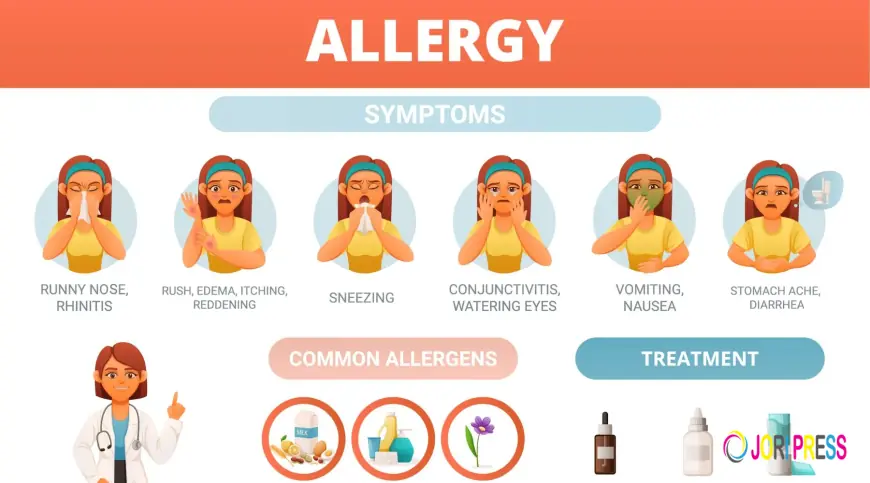
Common Symptoms of Seasonal Allergies:
- Sneezing
- Runny or blocked nose
- Itchy or watery eyes
- Nasal congestion
- Throat irritation
These symptoms mainly affect the respiratory system and are usually mild to moderate. They may worsen when you spend more time outdoors or when pollen levels are high.
?️ What Are Food Allergies?
Food allergies occur when your immune system mistakenly identifies certain food proteins as harmful substances. Unlike seasonal allergies, food allergies are not linked to a particular season and can occur at any time after consuming a trigger food.
Even a small amount of the allergen can cause a reaction, making it important to identify and avoid specific foods.
Common Food Allergens:
- Milk and dairy products
- Eggs
- Peanuts and tree nuts
- Fish and shellfish
- Soy and wheat
Symptoms of Food Allergies:
- Skin reactions such as hives or rashes
- Swelling of lips, face, or tongue
- Digestive issues like nausea or stomach pain
- Difficulty breathing
- Dizziness or lightheadedness
In severe cases, food allergies can cause anaphylaxis, a life-threatening reaction that requires immediate medical attention.
⚡ Key Differences Between Seasonal and Food Allergies
Although both types of allergies involve the immune system, they differ in several important ways.
1. Triggers
Seasonal allergies are caused by environmental factors such as pollen, dust, and mold. In contrast, food allergies are triggered by specific foods.
2. Timing
Seasonal allergies occur during certain times of the year when allergens are present in the environment. Food allergies, however, occur shortly after consuming the trigger food.
3. Symptoms
Seasonal allergies primarily affect the respiratory system, causing sneezing, congestion, and itchy eyes. Food allergies can affect multiple systems, including the skin, digestive system, and respiratory system.
4. Severity
Seasonal allergies are usually mild to moderate and manageable with medications or lifestyle changes. Food allergies can be more serious and, in some cases, life-threatening.
? Why Proper Diagnosis Matters
Many people ignore allergy symptoms or assume they are minor, but misdiagnosing your condition can lead to ineffective treatment. For example, avoiding certain foods will not help if your symptoms are caused by pollen. Similarly, treating a food allergy like a seasonal allergy can be dangerous.
Proper diagnosis through allergy testing can help identify the exact cause of your symptoms. This allows you to take targeted action and avoid unnecessary risks.
?️ Tips to Manage Allergies Effectively
Managing allergies becomes easier once you understand your triggers. Here are some practical tips:
For Seasonal Allergies:
- Stay indoors during high pollen days
- Keep windows closed to prevent allergens from entering
- Use air purifiers to improve indoor air quality
- Wash your face and hands after coming from outside
For Food Allergies:
- Always check food labels carefully
- Avoid foods that trigger your symptoms
- Inform others about your allergies when eating out
- Keep emergency medication if prescribed
These steps can help reduce exposure to allergens and minimize symptoms.
✅ Final Thoughts
Seasonal allergies and food allergies may appear similar at first, but they are quite different in terms of triggers, symptoms, and risks. Understanding these differences is the key to managing your health effectively.
If you are unsure about your symptoms or want a deeper understanding, it is always best to explore reliable resources and consider proper testing.






































 Like
0
Like
0
 Dislike
0
Dislike
0
 Love
0
Love
0
 Funny
0
Funny
0
 Angry
0
Angry
0
 Sad
0
Sad
0
 Wow
0
Wow
0