

































Portable Cabins vs Traditional Buildings: Which Is Better for Modern Needs?
Compare portable cabins and traditional buildings to find the best solution for cost, flexibility, speed, and modern infrastructure needs.

Introduction
As industries evolve and business environments become more dynamic, the need for efficient and adaptable infrastructure is more important than ever. Organizations today must make strategic decisions not only about their operations but also about how they build and manage their physical spaces. One of the most common debates in this context is whether to choose portable cabins or traditional buildings.
Traditional construction has long been the standard approach, offering durability and permanence. However, it often comes with high costs, long timelines, and limited flexibility. On the other hand, portable cabins provide a modern alternative that emphasizes speed, cost efficiency, and adaptability.
Understanding the differences between these two options can help businesses make informed decisions based on their specific needs and long-term goals.
Understanding Traditional Construction
Traditional buildings are constructed on-site using materials such as concrete, bricks, and steel. This process involves several stages, including planning, design, approvals, and construction. While these buildings are known for their durability and long lifespan, the process of building them can be time-consuming and expensive.
Key characteristics of traditional construction include:
- Permanent structures fixed to a specific location
- Long construction timelines
- High labor and material costs
- Extensive planning and approvals
While traditional buildings are suitable for long-term infrastructure, they may not be ideal for projects that require speed and flexibility.
What Are Portable Cabins?
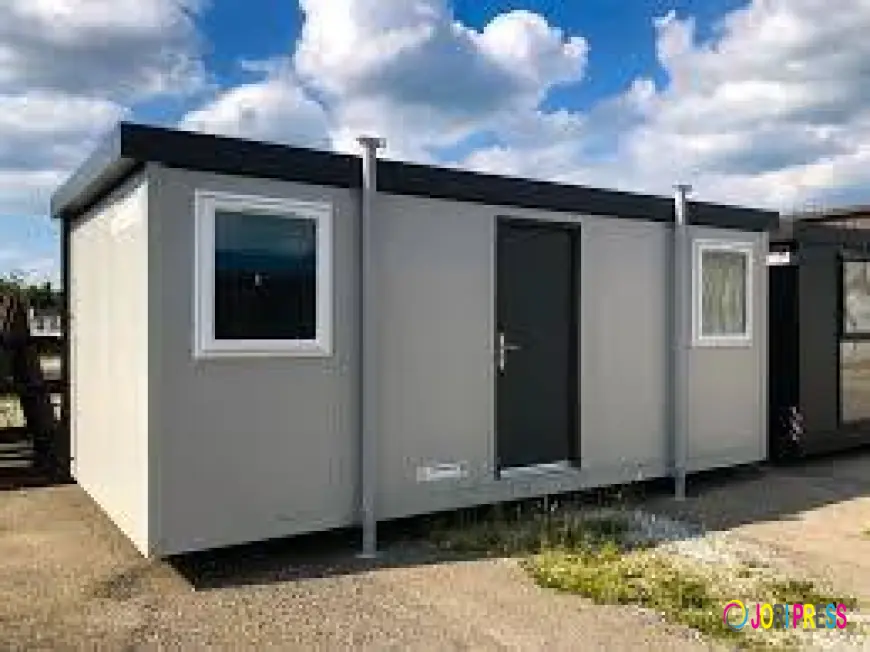
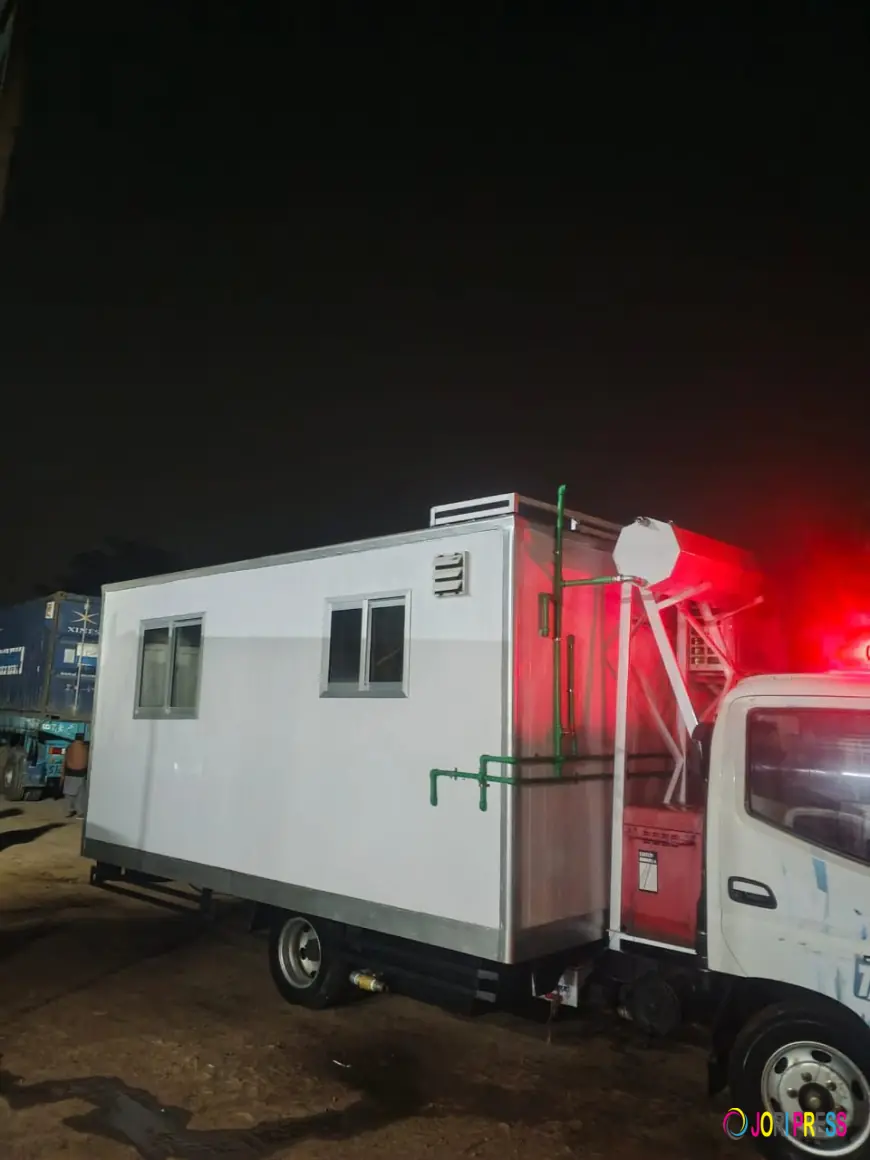
Portable cabins are prefabricated structures manufactured in controlled environments and transported to their final location for installation. This approach reduces construction time and allows for quick deployment.
These cabins are built using durable materials such as steel frames and insulated panels, ensuring strength and reliability. They can be customized to serve various purposes, including offices, storage units, and temporary facilities.
Portable cabins are designed to be mobile and adaptable, making them suitable for both short-term and long-term use.
Key Differences Between Portable Cabins and Traditional Buildings
1. Construction Time
One of the most significant differences is the time required for construction. Traditional buildings can take several months or even years to complete. In contrast, portable cabins can be installed within days.
This makes portable cabins a better option for projects that require immediate infrastructure.
2. Cost Considerations
Traditional construction involves high costs due to labor, materials, and project management. Portable cabins are more cost-effective because they are manufactured in factories, reducing labor costs and material waste.
For businesses with limited budgets, portable cabins offer a more affordable solution.
3. Flexibility and Mobility
Traditional buildings are fixed and cannot be relocated. Portable cabins, however, can be moved from one location to another, making them ideal for projects that change locations.
This mobility allows businesses to reuse cabins across multiple projects, increasing their value.
4. Customization
Both options offer customization, but portable cabins provide more flexibility in terms of layout and design changes. They can be modified or expanded easily by adding additional units.
5. Environmental Impact
Portable cabins generally have a lower environmental impact compared to traditional construction. Their factory-based production reduces material waste, and their reusability minimizes the need for new construction.
Traditional buildings, on the other hand, often generate more waste and require more resources.
When to Choose Portable Cabins
Portable cabins are ideal for situations where speed, flexibility, and cost efficiency are important. They are commonly used in:
- Construction sites for temporary offices and storage
- Events for administrative and operational facilities
- Remote locations where traditional construction is difficult
- Startups and small businesses seeking affordable office spaces
In these scenarios, portable cabins provide practical solutions that meet immediate needs.
When Traditional Buildings Are More Suitable
Despite their advantages, portable cabins may not always be the best choice. Traditional buildings are more suitable for:
- Long-term infrastructure projects
- Large-scale commercial developments
- Permanent residential structures
In cases where permanence and long-term durability are the primary concerns, traditional construction remains a reliable option.
Combining Both Approaches
In many cases, businesses can benefit from combining both portable cabins and traditional buildings. For example, portable cabins can be used as temporary facilities during construction, while permanent structures are being built.
This hybrid approach allows organizations to maintain operations without delays while ensuring long-term infrastructure development.
Supporting Modern Construction Trends
The rise of portable cabins reflects a broader shift toward modular construction, which focuses on efficiency, flexibility, and sustainability. This approach is becoming increasingly popular as industries look for smarter ways to build and manage infrastructure.
To explore practical solutions and real-world applications, you can visit:
portaking.pk
This resource provides insights into how portable cabins are being used across various industries.
Economic and Operational Benefits
Choosing the right type of infrastructure can have a significant impact on a business’s financial performance. Portable cabins help reduce initial investment and operational costs, while also improving efficiency through quick setup.
Traditional buildings, although more expensive, offer long-term stability and can increase property value. Businesses must evaluate their priorities to determine which option provides the best return on investment.
Future Outlook
As industries continue to evolve, the demand for flexible infrastructure solutions is expected to grow. Portable cabins will play an increasingly important role in meeting this demand, especially in sectors that require rapid deployment and adaptability.
Advancements in design and materials are making portable cabins more durable and visually appealing, further expanding their potential applications.
Conclusion
Both portable cabins and traditional buildings have their advantages and limitations. The choice between them depends on factors such as project requirements, budget, timeline, and long-term goals.
Portable cabins offer speed, flexibility, and cost efficiency, making them ideal for temporary and dynamic needs. Traditional buildings provide permanence and durability, making them suitable for long-term infrastructure.
By understanding these differences, businesses can make informed decisions and choose the solution that best meets their needs in a rapidly changing world.
What's Your Reaction?
 Like
0
Like
0
 Dislike
0
Dislike
0
 Love
0
Love
0
 Funny
0
Funny
0
 Angry
0
Angry
0
 Sad
0
Sad
0
 Wow
0
Wow
0