



































Polycarbonate Market: Strategic Analysis, Growth Projections, and Sector Overview (2022–2030)

The global materials science landscape is witnessing a structural shift as high-performance thermoplastics increasingly displace traditional materials like glass and metal. At the forefront of this transition is Polycarbonate, an amorphous engineering plastic renowned for its unique combination of high impact resistance, optical clarity, and thermal stability.
As industries prioritize lightweighting and durability, the commercial trajectory for this polymer remains robust. The global polycarbonate market size was valued at US$ 16,148.94 million in 2022 and is projected to reach US$ 24,784.52 million by 2030. This growth represents a steady CAGR of 5.5% over the eight-year forecast period, driven by the material's critical role in the automotive, electronics, and medical sectors.
Market Analysis and Overview
polycarbonate market (PC) is distinguished by its high molecular weight and durable chemical structure. Unlike many other plastics, it can undergo large plastic deformations without cracking or breaking, essentially providing the transparency of glass with nearly 250 times the impact strength. This "unbreakable" quality has positioned it as a cornerstone material for modern industrial applications.
The Dynamics of Modern Demand
The current market overview highlights a shift from commodity-grade resins to specialized, high-purity polycarbonate. The market is increasingly bifurcated into two high-value streams:
-
Optical Grade PC: Essential for fiber optics, LED lighting, and high-end lenses.
-
Medical Grade PC: Designed for high-clarity surgical instruments and fluid delivery systems that require rigorous sterilization.
While the primary feedstock remains bisphenol A (BPA) and phosgene, recent market analysis reveals a significant push toward Bio-based Polycarbonate. Regulatory pressures in Europe and North America are forcing manufacturers to investigate non-BPA alternatives and bio-attributed feedstocks to reduce the overall carbon footprint of the production cycle.
Sectoral Growth Catalysts
The automotive industry currently serves as the largest volume consumer. The push for Electric Vehicles (EVs) has accelerated the "lightweighting" trend; every kilogram saved by replacing glass with polycarbonate directly extends the vehicle’s battery range. Additionally, the proliferation of 5G infrastructure requires housings that are transparent to radio frequencies—a property where polycarbonate outperforms metal enclosures.
Key Market Segmentation
The growth to a US$ 24.7 billion valuation by 2030 is structured across diverse end-use segments. While sheet and film forms are essential for construction and signage, the resin segment remains the high-volume leader.
| Segment | Strategic Role | Key Applications |
| Automotive | Lightweighting & Safety | Headlamps, panoramic roofs, and EV battery housings. |
| Electronics | Insulation & Impact Protection | Smartphone frames, laptop housings, and 5G routers. |
| Medical Devices | Sterilization Compatibility | Blood oxygenators, dialysis filters, and surgical tools. |
| Construction | Durability & Thermal Insulation | Bullet-resistant glazing and greenhouse panels. |
Competitive Landscape and Top Players
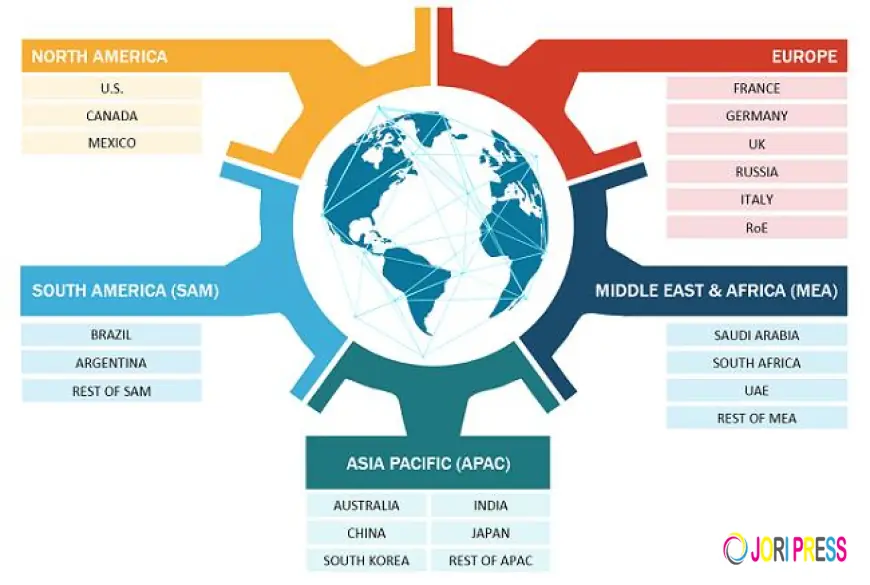
The global polycarbonate market is characterized by a high degree of consolidation. The top players are currently focusing on vertical integration—securing feedstock supplies—while investing heavily in "Circular Economy" initiatives to recycle post-consumer polycarbonate back into high-grade resins.
The following Tier-1 manufacturers dominate the global market share:
-
SABIC (Saudi Basic Industries Corporation): Renowned for the LEXAN™ brand.
-
Covestro AG: A leader in high-performance polymers and sustainability.
-
Teijin Limited: Specializes in high-purity resins for optical and medical sectors.
-
Mitsubishi Engineering-Plastics Corporation: A key supplier for the APAC automotive market.
-
Trinseo: Focuses on specialized blends and healthcare applications.
-
Idemitsu Kosan Co., Ltd.: Known for high-durability industrial grades.
-
Lotte Chemical Corporation: Expanding capacity to serve growing demand in South Korea and China.
Strategic Trend: The Circularity Mandate
By 2030, the "Trend Analysis" suggests that the competitive differentiator will not be just performance, but circularity. Leading companies are already deploying chemical recycling technologies that break down old polycarbonate into its original monomers, allowing for infinite recycling without the loss of mechanical properties. This trend is expected to decouple market growth from raw oil prices over the next decade.
About Us & Contact Us
About The Insight Partners
The Insight Partners is a one-stop industry research provider of actionable intelligence. We help our clients find solutions to their research requirements through our syndicated and consulting research services. We specialize in industries such as Chemicals and Materials, Electronics and Semiconductors, and Healthcare, providing high-quality data to help businesses navigate complex market landscapes.
Contact Us
If you have any queries about this report or would like further information, please contact us:
-
Contact Person: Ankit Mathur
-
E-mail:
-
Phone: +1-646-491-9876
What's Your Reaction?
 Like
0
Like
0
 Dislike
0
Dislike
0
 Love
0
Love
0
 Funny
0
Funny
0
 Angry
0
Angry
0
 Sad
0
Sad
0
 Wow
0
Wow
0