






































Medical Consumables Guide: Types, Uses, and Buying Tips
Explore essential medical consumables, their types, uses, and tips for choosing high-quality supplies for healthcare settings.

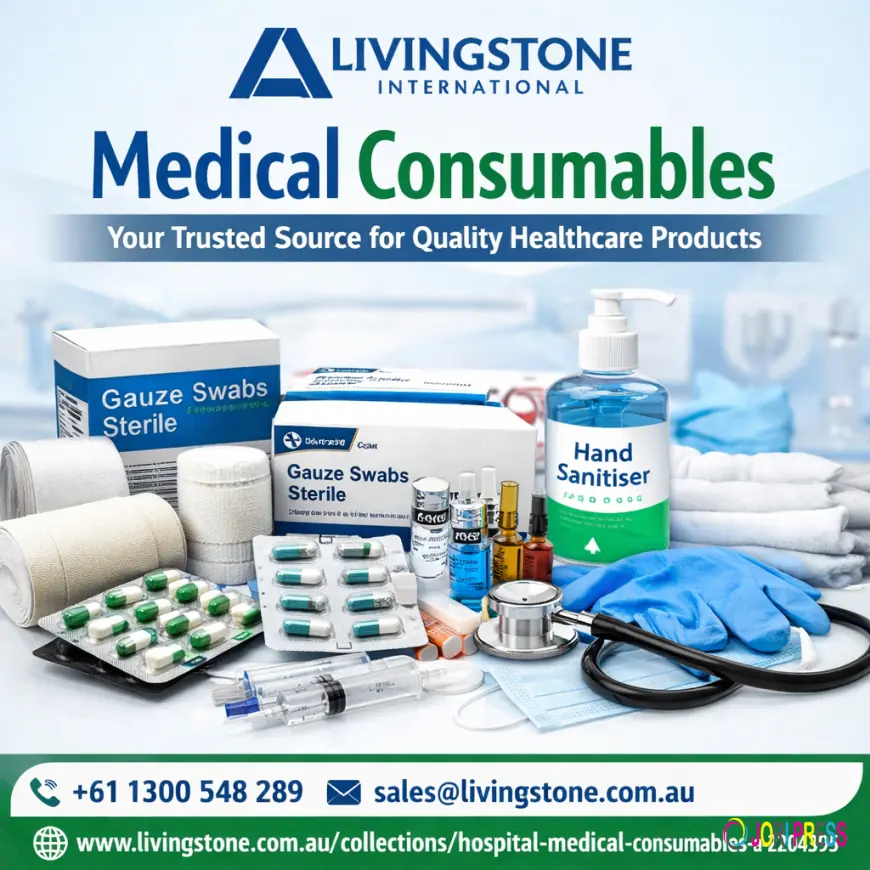
Medical consumables are the backbone of healthcare systems worldwide. From hospitals and clinics to laboratories and home care environments, these items ensure hygiene, safety, and efficiency in patient care. Unlike medical equipment, consumables are designed for single-use or limited use, making them critical in preventing infections and maintaining clinical standards.
In today’s healthcare landscape, sourcing reliable and high-quality medical consumables is more important than ever. With increasing patient volumes and strict regulatory requirements, healthcare providers must prioritize both quality and consistency in their supply chains.
What Are Medical Consumables?
Medical consumables refer to disposable or short-term use products used in medical procedures, diagnostics, and patient care. These items are typically discarded after use to minimize contamination risks and maintain sterile conditions.
They include a wide range of products such as gloves, syringes, masks, bandages, and diagnostic kits. Their primary function is to support medical procedures while ensuring safety for both patients and healthcare professionals.
Importance of Medical Consumables in Healthcare
Medical consumables play a crucial role in maintaining healthcare standards. Their importance extends across multiple areas:
Infection Control
Disposable items significantly reduce the risk of cross-contamination. For example, single-use gloves and masks act as barriers against pathogens.
Patient Safety
Using sterile consumables ensures that patients are protected from infections during treatments and procedures.
Operational Efficiency
Ready-to-use consumables save time and streamline workflows, allowing healthcare professionals to focus more on patient care.
Regulatory Compliance
Healthcare institutions must adhere to strict hygiene and safety standards. Proper use of consumables helps meet these regulatory requirements.
Types of Medical Consumables
Medical consumables can be categorized based on their application. Below are the most common categories:
1. Personal Protective Equipment (PPE)
PPE includes items such as gloves, masks, gowns, and face shields. These are essential for protecting healthcare workers from exposure to infectious agents.
2. Wound Care Products
This category includes bandages, dressings, gauze, and adhesive tapes. These products are used to treat and protect wounds during the healing process.
3. Diagnostic Consumables
Items like test kits, specimen containers, and swabs fall under this category. They are used in laboratories and clinical settings for diagnostic purposes.
4. Surgical Consumables
These include surgical drapes, sutures, and sterile kits used during medical procedures. They help maintain a sterile environment in operating rooms.
5. Injection and Infusion Supplies
Syringes, needles, IV sets, and catheters are essential for administering medications and fluids to patients.
6. Hygiene and Sanitation Products
Products such as disinfectants, wipes, and hand sanitizers ensure cleanliness in healthcare environments.
Key Factors to Consider When Choosing Medical Consumables
Selecting the right medical consumables is critical for ensuring safety and efficiency. Here are some important factors to consider:
Quality and Certification
Always choose products that meet international standards and certifications. This ensures reliability and safety in clinical use.
Material Composition
Different materials serve different purposes. For instance, latex gloves offer flexibility, while nitrile gloves provide better chemical resistance.
Cost-Effectiveness
While affordability is important, compromising on quality can lead to higher risks and long-term costs. Balance cost with performance.
Supplier Reliability
A dependable supplier ensures consistent availability of products, which is crucial for uninterrupted healthcare operations.
Storage and Shelf Life
Check the storage requirements and expiration dates to maintain product effectiveness.
Challenges in Managing Medical Consumables
Despite their importance, managing medical consumables comes with challenges:
Supply Chain Disruptions
Global events can impact the availability of essential supplies, leading to shortages.
Inventory Management
Overstocking can result in wastage, while understocking can disrupt healthcare services.
Quality Variability
Not all suppliers maintain consistent quality, which can affect patient safety.
Environmental Concerns
The increasing use of disposable products contributes to medical waste, raising sustainability issues.
Innovations in Medical Consumables
The healthcare industry is constantly evolving, and medical consumables are no exception. Recent innovations include:
Eco-Friendly Products
Manufacturers are developing biodegradable and recyclable consumables to reduce environmental impact.
Smart Consumables
Some products now include tracking features for better inventory management and usage monitoring.
Improved Materials
Advancements in material science have led to more durable, comfortable, and safer consumables.
Pre-Packaged Kits
Procedure-specific kits improve efficiency by providing all necessary items in a single package.
Best Practices for Using Medical Consumables
To maximize effectiveness and safety, healthcare providers should follow these best practices:
- Use items only once unless specified otherwise
- Store products according to manufacturer guidelines
- Train staff on proper usage and disposal
- Monitor inventory regularly
- Dispose of waste following medical regulations
The Role of Suppliers in Healthcare Efficiency
Reliable suppliers play a vital role in ensuring the availability and quality of medical consumables. They help healthcare providers maintain operational continuity and meet patient care standards.
A trusted supplier offers:
- Consistent product quality
- Competitive pricing
- Timely delivery
- Wide product range
- Compliance with safety standards
Choosing the right supplier can significantly impact the efficiency and effectiveness of healthcare services.
Future Outlook of Medical Consumables
The demand for medical consumables is expected to grow due to factors such as:
- Increasing global population
- Rising healthcare awareness
- Expansion of healthcare infrastructure
- Technological advancements
As healthcare systems continue to evolve, the need for high-quality consumables will remain critical.
Conclusion
Medical consumables are indispensable in modern healthcare. They ensure safety, improve efficiency, and support a wide range of medical procedures. From infection control to patient care, their role cannot be overstated.
Healthcare providers must prioritize quality, reliability, and compliance when selecting these products. Partnering with trusted suppliers ensures consistent access to essential supplies and helps maintain high standards of care.
For those seeking dependable solutions, Livingstone offers a comprehensive range of medical consumables designed to meet diverse healthcare needs. Explore their offerings here:
What's Your Reaction?
 Like
0
Like
0
 Dislike
0
Dislike
0
 Love
0
Love
0
 Funny
0
Funny
0
 Angry
0
Angry
0
 Sad
0
Sad
0
 Wow
0
Wow
0