































Liverpool Office Furniture Trends for 2026
Discover Liverpool office furniture trends 2026 with ergonomic design, flexible layouts, and luxury finishes for modern fit out offices.
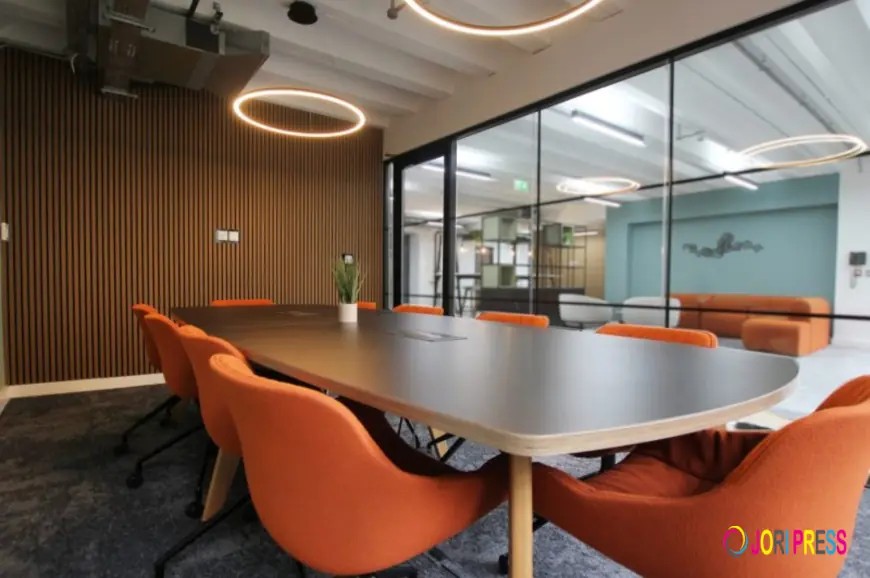
The modern workplace is undergoing a powerful transformation, and nowhere is this more evident than in Liverpool. As businesses adapt to new ways of working, office environments are being reimagined to support flexibility, wellbeing, and brand identity. In 2026, office furniture is no longer just about function—it’s about creating a space that inspires performance, collaboration, and long-term growth.
From innovative ergonomic solutions to luxury finishes and sustainable materials, today’s office furniture trends are shaping the future of workspace design. Whether you are planning a complete office refurbishment, a Cat A upgrade, or a bespoke Cat B fit-out, understanding these trends is essential to creating a workspace that stands out.
At Truline Construction & Interior Services, we believe that the right furniture doesn’t just fill a space—it defines how that space works.
1. Human-Centric & Ergonomic Design Takes Priority
One of the most significant shifts in 2026 is the move toward human-centric office design. Businesses are placing employee wellbeing at the heart of their workspace strategy, and furniture plays a key role in this transformation.
Modern offices now feature fully adjustable chairs with advanced lumbar support, sit-stand desks that encourage movement, and ergonomic accessories designed for long working hours. These elements are no longer optional—they are essential.
Ergonomic furniture directly impacts productivity by reducing fatigue, improving posture, and enhancing focus. For Liverpool businesses competing for top talent, investing in employee comfort is a clear competitive advantage.
A well-designed workspace shows employees that their wellbeing matters—and that message resonates far beyond the office.
2. The Rise of Modular & Flexible Furniture
Flexibility is defining the modern workplace. Traditional fixed layouts are being replaced with modular furniture systems that can adapt as businesses evolve.
Reconfigurable desks, movable partitions, and multi-purpose furniture allow companies to reshape their space quickly without major disruption. This is particularly valuable in fast-growing businesses where team structures and workspace requirements change frequently.
In Cat A and Cat B fit-out projects, flexibility ensures long-term value. Instead of redesigning an entire office every few years, businesses can simply reconfigure their existing setup.
This approach not only saves costs but also future-proofs the workspace.
3. Designing for Hybrid Workspaces
Hybrid working is no longer a trend—it is the standard. As a result, office furniture is evolving to support both in-office and remote collaboration.
Liverpool offices in 2026 are embracing shared workstations, touchdown areas, and technology-integrated desks. Built-in charging points, wireless connectivity, and seamless tech integration are becoming essential features.
Acoustic pods and private booths are also gaining popularity, providing quiet spaces for virtual meetings and focused work.
The goal is simple: create a workspace that supports flexibility without compromising productivity. Businesses that invest in hybrid-ready furniture are better equipped to adapt to changing work patterns.
4. Luxury Materials & Premium Finishes
Office design is becoming more sophisticated, with a strong influence from hospitality and residential interiors. In 2026, Liverpool businesses are investing in high-end materials that reflect their brand identity.
Natural wood, stone surfaces, brushed metals, and premium upholstery are replacing standard finishes. These materials create a sense of quality, professionalism, and attention to detail.
There is also a growing trend toward “warm minimalism,” where clean lines are combined with rich textures to create a welcoming yet refined environment.
This shift is particularly noticeable in reception areas, executive offices, and client-facing spaces—where first impressions matter most.
5. Biophilic Design and Natural Elements
Bringing nature into the workplace continues to be a major influence in office furniture design.
Biophilic design incorporates natural materials, organic textures, and greenery into the workspace. Furniture is now being designed with integrated planters, wooden finishes, and earthy tones that create a calming atmosphere.
This approach has been proven to reduce stress, improve mood, and boost productivity. In busy urban environments like Liverpool, biophilic design helps create a sense of balance and wellbeing.
It transforms offices from purely functional spaces into environments where people feel comfortable and inspired.
6. Collaborative & Social Workspaces
The modern office is no longer centred around individual desks. Instead, it is designed to encourage collaboration and interaction.
In 2026, offices are incorporating lounge-style seating, breakout zones, and informal meeting areas. Café-style furniture and soft seating create relaxed spaces where teams can connect and share ideas.
These environments foster creativity and innovation, making them essential for forward-thinking businesses.
By designing spaces that people actually enjoy using, companies can strengthen team culture and improve overall engagement.
7. Sustainability as a Core Principle
Sustainability is no longer a nice-to-have—it is a core requirement in modern office design.
Liverpool businesses are increasingly choosing furniture made from recycled materials, responsibly sourced timber, and environmentally friendly finishes. Durability is also a key focus, with long-lasting furniture reducing waste and supporting circular design principles.
In Cat A and Cat B fit-out projects, sustainability is being considered from the very beginning. This includes selecting materials, planning layouts, and ensuring that furniture can be reused or adapted in the future.
Sustainable design not only benefits the environment but also enhances a company’s reputation and aligns with modern corporate values.
8. Smart Storage & Minimalist Aesthetics
Clutter-free environments are essential for productivity. In 2026, office furniture is becoming more streamlined, with a focus on clean lines and efficient storage solutions.
Built-in storage systems, hidden compartments, and integrated cable management are helping to create organised and visually appealing workspaces.
Minimalist design does not mean sacrificing functionality—it means designing smarter. Every piece of furniture serves a purpose, contributing to a more efficient and focused environment.
This trend is particularly important in office refurbishment projects, where space optimisation is a key priority.
9. The Power of Colour in Workplace Design
Colour is playing a more strategic role in office furniture design than ever before.
Neutral tones are being used to create calm and focused environments, while bold accent colours add energy and personality. Different areas of the office are often designed with specific colour schemes to support different activities.
For example, collaborative spaces may feature vibrant colours to encourage creativity, while quiet zones use softer tones to promote concentration.
This thoughtful use of colour helps create a dynamic and engaging workspace that supports both productivity and wellbeing.
10. Personalised Workspaces for Modern Teams
While flexibility is essential, there is also a growing demand for personalised work environments.
Businesses are moving away from a one-size-fits-all approach and embracing customised furniture solutions that reflect individual and team needs.
Semi-dedicated desks, adaptable workstations, and personal storage options allow employees to feel more connected to their workspace.
This balance between flexibility and personalisation creates a more comfortable and productive environment—one where employees feel valued and empowered.
Transform Your Workspace with Truline
Understanding these trends is only the first step. The real value comes from applying them effectively through expert design and execution.
At Truline Construction & Interior Services, we specialise in delivering bespoke office environments that combine functionality, innovation, and style. With over 35 years of experience, we bring a deep understanding of commercial interiors and workspace design.
Our services include:
- Full-scale office refurbishment
- Cat A and Cat B fit-out solutions
- Bespoke office furniture and joinery
- Workplace design and consultancy
From concept to completion, we manage every detail to ensure your workspace reflects your brand, supports your team, and performs at the highest level.
Conclusion
Liverpool office furniture trends in 2026 are redefining the modern workplace. From ergonomic design and modular systems to luxury finishes and sustainable materials, today’s offices are built around people, performance, and adaptability.
Whether you are planning a Cat A upgrade, a Cat B fit-out, or a complete office refurbishment, staying ahead of these trends will ensure your workspace remains competitive and future-ready.
The workplace is no longer just a place to work—it is a space to collaborate, innovate, and grow.
And with the right design, it becomes a powerful asset for your business success.
Files
What's Your Reaction?
 Like
0
Like
0
 Dislike
0
Dislike
0
 Love
0
Love
0
 Funny
0
Funny
0
 Angry
0
Angry
0
 Sad
0
Sad
0
 Wow
0
Wow
0