


































How World Diabetes Foundation's global response to fighting diabetes is giving hope to victims.


By Darlington Mabonga
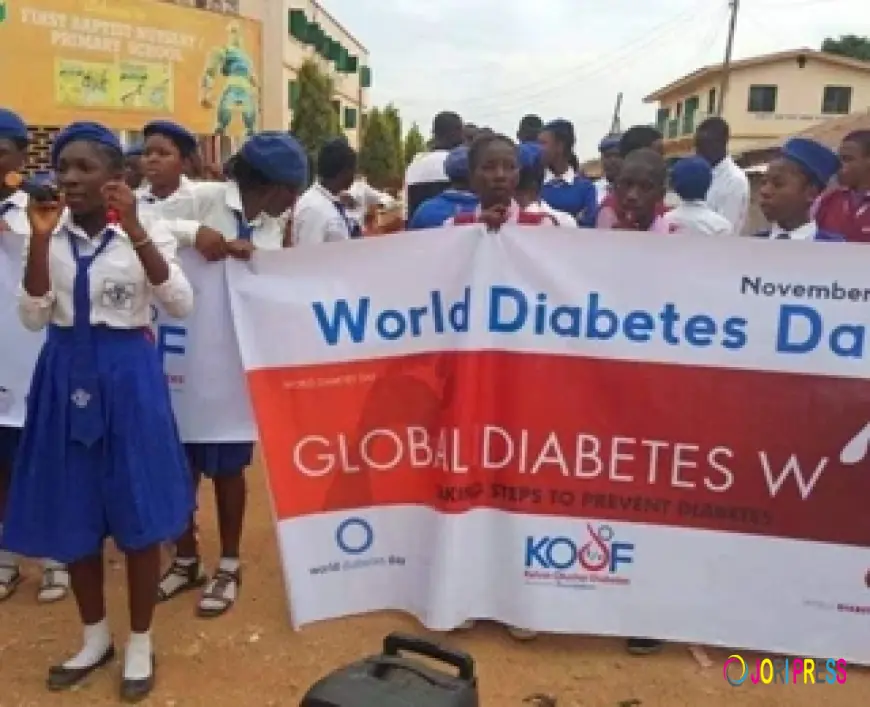
Health: The World diabetes Foundation [WDF] a global leading funder of diabetes prevention and care projects in low- and middle-income countries continues to give hope to millions of victims through carrying out massive preventive sensitization campaigns with the broader aim of curbing infections
The highly respected and impactful Foundation was founded in 2002 as an independent foundation by Novo Nordisk A/S, which currently is a leading global funder of diabetes prevention and care projects in low- and middle-income countries according to the WDF website.
Key facts:
The foundation seeks to strengthen access to care, reduce prevalence and advance the Non communicable diseases [NCD ] agenda globally with specific focus on low and middle-income countries were prevalence is unacceptably high.
They work through the power of partnerships to advance support to people living in vulnerable situations
Since 2002, the World Diabetes Foundation has provided 244.4 million EUR in funding to 633 partnership projects in 121 countries which has positively impacted those respective beneficiary communities.
The WDF vision:
To enhance equity in access to diabetes care and prevention in low- and middle income countries.
Our mission:
They work through the power of partnerships to strengthen access to care, reduce prevalence and advance the NCD agenda for people living in vulnerable situations.
Why diabetes:
Diabetes is a growing global health crisis, affecting an estimated 589 million adults worldwide.
Overwhelming 80% of them live in low- and middle-income countries, and two-thirds remain undiagnosed.
Without proper diagnosis and care, diabetes can lead to severe complications such as amputations, blindness, kidney disease, and premature death.
The number of people living with diabetes continues to rise due to factors like urbanisation, unhealthy diets, sedentary lifestyles, and an ageing population. Overweight and obesity—major risk factors for diabetes—are also increasing, with the majority of overweight or obese children now living in LMICs.
Each year, diabetes in pregnancy affects 21 million women globally, with over 90% of cases occurring in these countries.
Diabetes and related NCDs are among the leading causes of death and disability worldwide.
Every year, around 15 million working-age people die from them, with 82% of these premature deaths occurring in low- and middle-income countries. Yet, up to 80% of NCDs could be prevented or delayed through affordable interventions.
The economic impact is equally stark. NCDs drive millions into poverty annually, but investing just 84 US cents per person per year in prevention and care could save 7 million lives and generate 230 billion US dollars in economic benefits.
Addressing diabetes is not only a health priority but also a matter of social and economic justice.
By improving prevention, diagnosis, and care—especially for vulnerable communities—we can save lives, reduce inequalities, and build a healthier future for all according to the website which calls for conserted stakeholder engagement and collaborations to curb escalating cases of infections.
What's Your Reaction?
 Like
0
Like
0
 Dislike
0
Dislike
0
 Love
0
Love
0
 Funny
0
Funny
0
 Angry
0
Angry
0
 Sad
0
Sad
0
 Wow
0
Wow
0