


































How to Store and Maintain EndMill Tools Properly
How to Store and Maintain EndMill Tools Properly

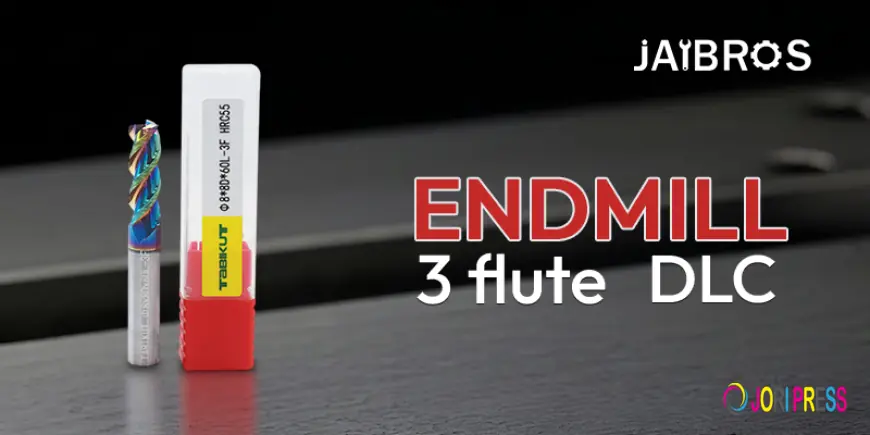
Best Practices for Storing and Maintaining CNC End Mill Tools
In CNC machining, endmill cutting tools play a critical role in achieving precision, productivity, and surface finish quality. However, even the best cutting tools can lose performance quickly if they are not stored and maintained properly. Many machining shops focus heavily on tool selection and machining parameters, but often ignore proper tool care practices. This can lead to premature wear, tool breakage, rust, and unnecessary replacement costs.
Proper storage and maintenance practices help improve tool life, reduce operational expenses, and maintain machining accuracy. Whether you are handling roughing cutters, finishing tools, or precision micro tools, organised storage and regular maintenance can make a major difference in overall machining performance.
Why Proper Tool Maintenance Matters
Cutting tools operate under high heat, pressure, and friction. Over time, these conditions naturally wear down tool edges. Without proper care, even premium tools can fail faster than expected.
Good maintenance practices help:
-
Extend tool lifespan
-
Improve machining accuracy
-
Reduce tool replacement costs
-
Maintain surface finish quality
-
Prevent unexpected machine downtime
Proper handling is especially important for precision tools because minor damage can affect cutting performance significantly.
Maintaining an endmill correctly also improves consistency during high-volume production runs.
Clean Tools After Every Use
One of the most important maintenance practices is cleaning tools immediately after machining operations. Metal chips, coolant residue, and dust particles can damage cutting edges if left untreated.
Recommended cleaning methods include:
-
Using compressed air carefully
-
Wiping tools with clean cloths
-
Applying rust-prevention oil
-
Using ultrasonic cleaning systems for precision tools
Proper cleaning helps prevent corrosion and keeps cutting edges sharp for longer periods.
For high-performance carbide endmills, regular cleaning is essential because built-up material can affect cutting precision and increase heat generation during machining.
Store Tools in Dedicated Holders
Improper storage is one of the leading causes of accidental tool damage. Throwing tools into drawers or storage boxes can lead to edge chipping and surface scratches.
Best storage practices include:
-
Using dedicated tool racks
-
Keeping tools in protective sleeves
-
Separating tools by size and type
-
Avoiding direct contact between cutting edges
Tool holders designed specifically for CNC cutting tools help maintain organisation and reduce handling damage.
Each endmill should be stored securely to protect the cutting geometry and coating from unnecessary wear.
Control Moisture and Temperature
Humidity and temperature changes can affect cutting tool performance over time. Moisture exposure may lead to rust formation, especially on non-coated tools and tool holders.
To prevent environmental damage:
-
Store tools in dry areas
-
Maintain stable room temperature
-
Use anti-rust coatings when needed
-
Avoid exposure to coolant leakage
Climate-controlled tool storage areas are becoming increasingly common in modern manufacturing facilities.
This is particularly important for expensive solid carbide endmills, which require careful protection to maintain precision cutting performance.
Inspect Tools Regularly
Routine inspection helps identify wear before tools fail completely. Operators should examine cutting edges before and after machining operations.
Common signs of wear include:
-
Edge chipping
-
Cracks
-
Flank wear
-
Discoloration
-
Built-up edge formation
Using worn tools can reduce machining accuracy and damage workpieces.
A damaged endmill should either be reconditioned or replaced immediately to maintain production quality.
Use Proper Tool Identification Systems
Organised tool management improves efficiency and reduces confusion in busy workshops. Labelling tools properly helps operators quickly identify the right cutter for each application.
Many CNC shops now use:
-
Barcode systems
-
RFID tracking
-
Digital inventory software
-
Tool presetting systems
These systems help track usage history, maintenance schedules, and tool life data more efficiently.
Proper organisation is especially useful when managing multiple types of endmills for different machining operations.
Regrinding and Recoating Practices
Instead of discarding worn tools immediately, many manufacturers choose regrinding and recoating services. Reconditioning helps restore cutting performance while reducing tooling costs.
Benefits include:
-
Lower replacement expenses
-
Extended tool usability
-
Reduced material waste
-
Improved cost efficiency
However, regrinding should only be performed by experienced professionals to maintain tool geometry accurately.
Premium solid carbide endmills are often ideal candidates for reconditioning because of their durable carbide structure.
Handle Precision Tools Carefully
Small-diameter cutting tools require extra care during storage and handling. Precision cutters are more vulnerable to accidental damage.
Modern micro endmills are commonly used in medical, electronics, and aerospace industries, where even tiny edge damage can affect machining quality.
Best practices for handling precision tools include:
-
Using protective cases
-
Avoiding manual dropping
-
Minimising unnecessary contact
-
Inspecting under magnification
Proper spindle alignment and vibration control are also important for maintaining micro-tool performance.
Avoid Cross-Contamination
Mixing dirty tools with clean tools can spread metal particles and coolant residue. This contamination may damage tool coatings and reduce cutting efficiency.
To avoid contamination:
-
Separate used and unused tools
-
Clean storage trays regularly
-
Use designated cleaning stations
-
Store coated tools separately when possible
Good workshop hygiene contributes significantly to tool longevity and machining consistency.
Maintain Tool Holders Properly
Tool holders are equally important in CNC machining operations. Poor holder condition can create runout and vibration that damages cutting tools.
Maintenance tips for holders include:
-
Cleaning holder tapers regularly
-
Checking for wear and cracks
-
Verifying clamping force
-
Replacing damaged collets
Even a perfectly sharp endmill may perform poorly if the holder is damaged or improperly balanced.
Train CNC Operators on Tool Care
Human error remains one of the most common causes of tool damage. Proper training ensures operators understand correct handling and storage procedures.
Training programs should cover:
-
Tool cleaning methods
-
Inspection routines
-
Storage organization
-
Safe handling practices
-
Tool wear identification
Well-trained operators can significantly reduce tooling costs and improve machining reliability.
Use Modern Tool Management Systems
Many advanced manufacturing facilities now use automated tool management systems. These systems monitor tool inventory, usage cycles, and replacement schedules.
Advantages include:
-
Better inventory control
-
Reduced downtime
-
Improved efficiency
-
Accurate tool tracking
-
Lower operational costs
Modern tool management supports the growing demand for smart manufacturing and Industry 4.0 integration.
Importance of Choosing Quality Tools
Proper maintenance is most effective when combined with high-quality cutting tools. Cheap tools often wear out quickly and may not respond well to reconditioning processes.
Premium carbide endmills provide better wear resistance, heat tolerance, and cutting stability. High-quality tools also maintain edge sharpness longer, making maintenance efforts more effective.
Investing in reliable tooling solutions improves long-term machining performance and reduces unnecessary production interruptions.
Conclusion
Proper storage and maintenance practices are essential for maximising cutting tool performance and lifespan. From regular cleaning and inspection to organised storage and environmental protection, every step contributes to better machining efficiency and lower operational costs.
Managing different types of endmills, maintaining precision micro endmills, and protecting premium solid carbide endmills require careful attention and proper workshop discipline. By implementing these best practices, CNC operators and manufacturers can improve machining quality while reducing tool replacement expenses.
About Jaibros
Jaibros is a trusted supplier of industrial cutting tools and CNC machining solutions in India. The company offers a wide range of precision tooling products, including carbide cutters, measuring instruments, CNC accessories, and high-performance machining solutions for modern manufacturing industries.
FAQs
1. Why is proper tool storage important in CNC machining?
Proper storage prevents rust, edge damage, and accidental breakage while improving tool lifespan and machining accuracy.
2. How should carbide cutting tools be cleaned?
Carbide endmills should be cleaned using soft cloths, compressed air, or specialized cleaning systems to remove chips and coolant residue safely.
3. Can worn end mills be reused?
Yes, many tools can be reground and recoated by professionals to restore cutting performance and reduce tooling costs.
4. Why are micro endmills difficult to maintain?
Micro endmills are extremely delicate and can break easily if exposed to vibration, improper handling, or poor storage conditions.
5. What causes premature tool damage during storage?
Moisture, improper handling, edge contact, contamination, and poor organization are common reasons for storage-related tool damage.
What's Your Reaction?
 Like
0
Like
0
 Dislike
0
Dislike
0
 Love
0
Love
0
 Funny
0
Funny
0
 Angry
0
Angry
0
 Sad
0
Sad
0
 Wow
0
Wow
0