







































How to Build a Better Soccer Training Routine With the Right Training App

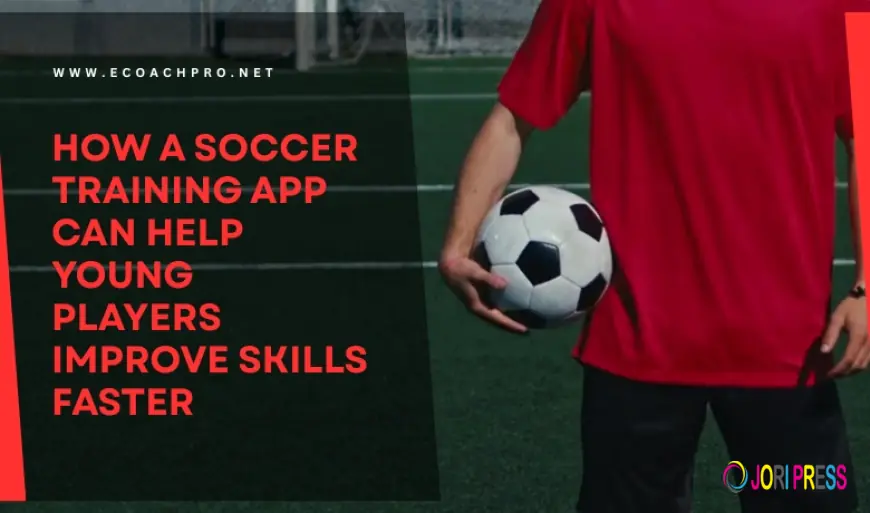
Becoming a better soccer player takes more than talent. It requires regular practice, good habits, proper guidance, and the patience to keep improving even when progress seems slow.
For young players, one of the biggest challenges is finding enough time for individual training. School, homework, club practices, matches, and family activities can quickly fill the week. Even when a player has free time, there is another question: What should I actually practice?
This is where a good Soccer Training App can make a difference.
Instead of searching for random drills every time you want to train, a structured app can help you follow organized sessions focused on important areas of player development. From ball control and dribbling to passing, shooting, fitness, and agility, individual training becomes easier to understand and more consistent.
For young athletes who want to get more from their time away from team practice, the right training platform can become a useful part of their weekly routine.
Why Individual Soccer Training Is So Important
Team training is essential for every soccer player.
During club sessions, players learn tactics, positioning, teamwork, communication, and how to play within a system. However, coaches are usually working with an entire squad, so there may not be enough time for every player to repeat a particular technical skill as many times as they need.
Individual training fills that gap.
A player who struggles with their first touch can spend extra time working on receiving the ball. A winger can focus on dribbling and changes of direction. A striker can dedicate additional sessions to finishing.
These extra repetitions matter.
Players don't become technically comfortable by practicing a skill once or twice. They improve by repeating the movement correctly until it becomes more natural.
Small Sessions Can Make a Big Difference
Individual training doesn't always need to last for hours.
A focused 20–30 minute session can be valuable when it has a clear purpose.
The important thing is consistency.
Three short, focused sessions every week can be much easier to maintain than one extremely long workout followed by several days without practice.
What Should a Young Player Practice?
A good soccer routine should develop the fundamentals first.
Once those foundations become stronger, players can gradually introduce more advanced movements and match-specific exercises.
1. Ball Control
Ball control is one of the most important foundations of soccer.
Players should become comfortable controlling the ball with both feet and different surfaces of the foot. The better the first touch, the more time a player has to make a decision.
Regular ball-control practice can help players feel more confident when receiving passes and moving with possession.
2. Dribbling
Dribbling allows players to carry the ball into space, beat opponents, and create opportunities.
Effective dribbling isn't only about performing flashy tricks. Players need to learn how to:
- Keep the ball close
- Change direction quickly
- Change speed
- Protect the ball
- Recognize open space
- Use both feet
Simple cone exercises can be extremely useful when performed correctly and consistently.
3. Passing
Passing is another fundamental skill that should never be overlooked.
Players can practice short passes, receiving, directional touches, and passing with their weaker foot.
The goal is not simply to pass the ball accurately. Players should also learn to control their next movement and prepare for what happens after the pass.
4. Shooting and Finishing
Scoring goals requires technique, balance, timing, and confidence.
Players can use individual sessions to work on striking the ball cleanly, shooting with both feet, and finishing from different positions.
Consistent practice can make shooting feel more natural when opportunities appear during matches.
Why a Structured Soccer Training App Can Help
There is no shortage of soccer drills available online.
A quick search can produce hundreds of videos and articles. While having options is useful, too many choices can actually make training confusing.
A player may try one drill today, another tomorrow, and something completely different the following week.
There is no progression.
A quality Soccer Training App brings structure to the process.
Instead of asking what to practice every day, players can follow organized sessions designed around specific skills and development goals.
This can make individual training:
- More focused
- Easier to follow
- More consistent
- More enjoyable
- Easier to fit around a busy schedule
What Makes the Best Soccer Training App?
Choosing a training app isn't simply about finding the platform with the largest number of drills.
The Best Soccer Training App should help players understand what they are doing and give them a clear path for improvement.
Structured Training Programs
Players should be able to progress from fundamental exercises toward more challenging skills.
A structured approach reduces random practice and gives every session a clear purpose.
Clear Demonstrations
Young players often learn more easily when they can see a movement performed correctly.
Clear demonstrations can help players understand technique, movement, and the correct way to perform an exercise.
Different Areas of Development
Soccer is a complete sport.
A useful platform should support more than just dribbling. Players should have opportunities to work on technical skills as well as appropriate fitness and movement exercises.
Progress Tracking
Improvement isn't always obvious from one day to the next.
Progress tracking can help players recognize their consistency and stay motivated to continue training.
Flexible Training
Young players have busy lives.
Training should be flexible enough to fit around school, club sessions, matches, recovery, and other responsibilities.
How a Soccer App for Training Can Be Used at Home
Players don't need access to a professional academy every day to work on their technique.
Many individual exercises can be completed with basic equipment and a small amount of safe space.
A player can practice in:
- A backyard
- A garden
- A driveway
- A local park
- A suitable training area
A few cones and a soccer ball are often enough for many technical exercises.
A Soccer app for training can then provide the structure and instructions needed to make that practice more productive.
The important thing is to focus on quality rather than simply trying to complete as many exercises as possible.
Don't Forget the Weaker Foot
One of the easiest ways for young players to improve their overall ability is to become more comfortable using their weaker foot.
Many players naturally avoid their weaker side because it feels uncomfortable.
Individual training provides the perfect opportunity to change that habit.
Players can begin with simple exercises such as:
- Short passes
- Ball touches
- Controlled dribbling
- First-touch exercises
- Short-distance shooting
As confidence improves, they can gradually increase the difficulty.
Being comfortable with both feet gives players more options during matches and can make them less predictable to defenders.
Soccer Fitness Should Support Technical Training
Technical ability is only one part of player development.
Soccer players also need to move efficiently throughout a match. Speed, agility, balance, coordination, and endurance all contribute to performance.
This is why a complete training routine should include appropriate physical development alongside technical practice.
However, young players should also have enough time for recovery. More training isn't automatically better.
A balanced routine should consider:
- Age
- Existing team training
- Match schedule
- Recovery
- Sleep
- Overall workload
The objective is to help players become better athletes without creating unnecessary fatigue.
How Parents Can Support Individual Training
Parents don't need to be experienced soccer coaches to support their child's development.
In many cases, the most valuable support is simply encouraging consistency.
Parents can help by creating a regular time for training, providing basic equipment, and making sure the player has a safe place to practice.
They can also focus on effort and improvement instead of demanding perfection.
A structured training platform makes this easier because parents don't have to search for new exercises every day or design complete training sessions themselves.
The player has a clear session to follow, while the parent can focus on encouragement.
How a Soccer Coaching App Can Support Coaches
Individual training can also complement the work of coaches.
A Soccer coaching app can help connect team sessions with individual development.
For example, a coach may notice that a player needs to improve their first touch, weaker foot, or ball control.
Additional individual practice during the week can give that player more opportunities to work on the specific area.
This creates a continuous development cycle:
Coach identifies an area → Player practices independently → Skill improves → Player applies it during team training and matches.
Technology doesn't replace coaching. Instead, it can give players more opportunities to reinforce what they learn from their coach.
What Makes the Best Soccer Coaching App?
The Best Soccer Coaching App should make player development easier rather than more complicated.
Useful features may include:
Training Organization
Coaches should be able to organize exercises and training activities efficiently.
Player Development
Individual players should have opportunities to work on specific technical weaknesses.
Communication
Good communication between coaches, players, and parents can help maintain consistency.
Training Outside Practice
The platform should help players continue working on appropriate skills between regular team sessions.
A strong coaching platform connects training, development, and communication instead of treating each area separately.
How eCoachPro Supports Young Players
For players who want a structured way to continue training outside their normal club sessions, eCoachPro provides a dedicated soccer training platform.
The platform is designed to help young players work consistently on important areas of their game.
Players can focus on skills including:
- Ball control
- Dribbling
- Passing
- Shooting
- Fitness
- Agility
- Overall soccer development
This makes it easier for players to turn their available free time into purposeful practice.
Rather than searching for random exercises, players can use eCoachPro as part of a more organized training routine.
Training Beyond the Club
A player's development shouldn't stop when the team session ends.
With a structured platform, players can continue practicing between club sessions and build stronger habits over time.
Supporting Parents
Parents can use the platform as an additional resource to encourage their child's training without having to create every session themselves.
Supporting Coaches
Coaches can encourage players to continue developing specific skills outside regular team practice, helping reinforce the work completed on the training ground.
Don't Try to Improve Everything in One Session
Another common mistake is trying to train every skill during every workout.
A player may attempt dribbling, shooting, passing, speed, fitness, tricks, and dozens of other exercises in one session.
This often creates unfocused training.
Instead, choose one or two primary goals.
For example:
Session Goal: Improve Dribbling
Spend the session working on close control, changes of direction, and acceleration with the ball.
Another day can focus on first touch and passing.
Focused sessions make it easier to understand what you are working on and whether you are improving.
Make Training Enjoyable
Young players are more likely to stay consistent when they enjoy training.
Development should be challenging, but it shouldn't feel like a punishment.
Adding variety, challenges, personal targets, and different types of exercises can keep sessions interesting.
Players should also have opportunities to simply play and enjoy soccer without constantly worrying about technical perfection.
The more enjoyable the process becomes, the easier it is to maintain a long-term training habit.
Final Thoughts
Becoming a better soccer player is a long-term journey.
There is no single drill or workout that can replace consistent practice, quality coaching, match experience, and patience.
The key is creating a routine that a player can realistically maintain.
A quality Soccer Training App can make that process easier by providing structured sessions, useful exercises, and motivation to keep training.
For coaches, a Soccer coaching app can complement team training and give players additional opportunities to work on individual skills. For parents, it can provide a simple way to support their child's development without having to design every workout themselves.
For young athletes searching for a reliable Soccer app for training, eCoachPro provides a dedicated platform designed to support skill development and more consistent training habits.
If you're looking for the Best Soccer Training App to make individual practice more organized, focused, and convenient, explore eCoachPro and discover a smarter way to train.
Visit: ecoachpro.net
Train with purpose. Stay consistent. Keep improving. ⚽
What's Your Reaction?
 Like
0
Like
0
 Dislike
0
Dislike
0
 Love
0
Love
0
 Funny
0
Funny
0
 Angry
0
Angry
0
 Sad
0
Sad
0
 Wow
0
Wow
0