




































How the NCD fight has impacted on hundreds of rural based patients

By Darlington Mabonga
Focus on NCDs:
Hundreds of non communicable diseases patients in the country are currently benefiting from a four year diabetes and hypertension screening and treatment project funded by the World diabetes foundation [WDF] through WHO Uganda country office and implemented by the ministry of health through district local government based health centre 111s and iv respectively.
The Uganda Country Technical Advisor for Non-Communicable Diseases (NCDs), at the WHO Dr. Hasifa Kasule, says the project has significantly strengthened Uganda’s capacity to manage the growing burden of NCDs.
Dr. Kasule said the funding worth Euros 1.28M for the Uganda country project has enabled the government to build technical capacity among health workers at lower-level health facilities which includes integrated patient screening services and improved use of diagnostic equipment in line with national guidelines, enhancing service delivery.
She noted that Uganda, alongside Ghana, is currently among only two countries globally implementing the four-year Diabetes and Cardiovascular Disease (D-CARD) Africa Project.
Launched in 2024, the initiative integrates NCD screening into existing health services such as HIV, tuberculosis (TB), and malnutrition programs, promoting a more holistic and sustainable approach to patient care.
In Uganda, the project is being implemented in the districts of Kabale,, Lira,Sembabule and Koboko and . It targets over 1.1 million people, delivering quality care through 10 primary health care facilities at Health Centre III and IV levels in each district.
The district health officers of the beneficiary districts have collectively expressed their appreciation for the project which they claim has empowered and strengthened their human resources to effectively carry out more screening services with the aim of reducing deaths, and accelerating treatment and counseling services.
“This project has improved access to services at lower-level health facilities by strengthening early detection and management of diabetes and hypertension, with a strong focus on primary health care,” Dr. Kasule said.
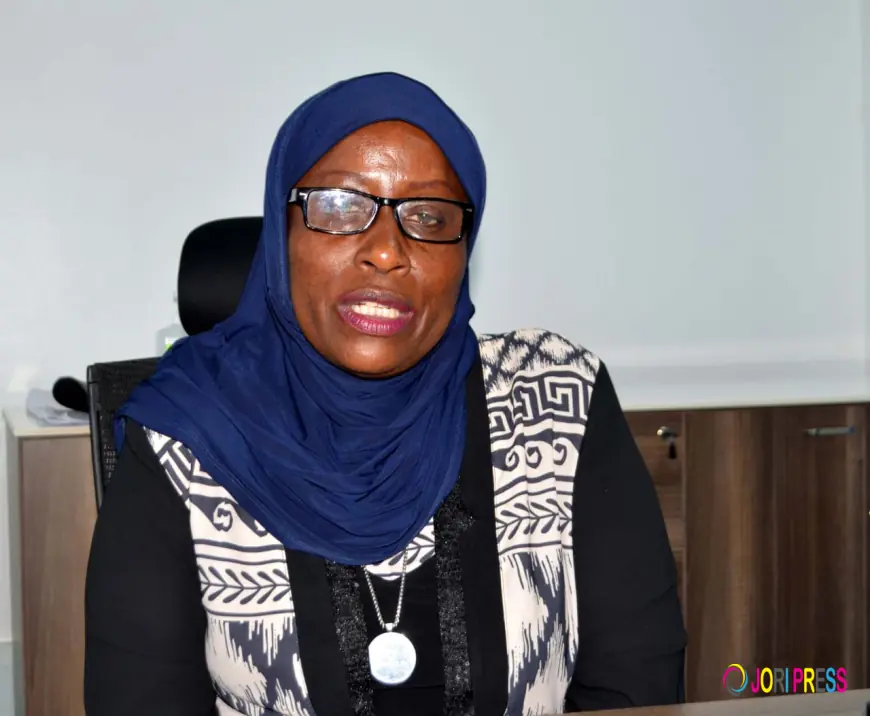
Dr. Kasule
She explained that the project’s main objective is to strengthen health systems by improving access, expanding screening coverage, and enhancing treatment, ultimately reducing deaths and complications associated with NCDs.
Dr. Kasule highlighted the success of patient support groups formed under the initiative. These groups have played a key role in mobilizing communities, conducting sensitization campaigns on NCD prevention, and encouraging members to make small monthly contributions to purchase medication during stock outs at government health facilities.
The project also supports logistics for data collection, advocacy, capacity building, operations, and surveillance across participating health facilities.
She commended district leadership—including LC5 chairpersons, Chief Administrative Officers (CAOs), Resident District Commissioners (RDCs), Civil Society Organizations (CSOs), and District Health Officers (DHOs)—for their role in the successful implementation of the program.
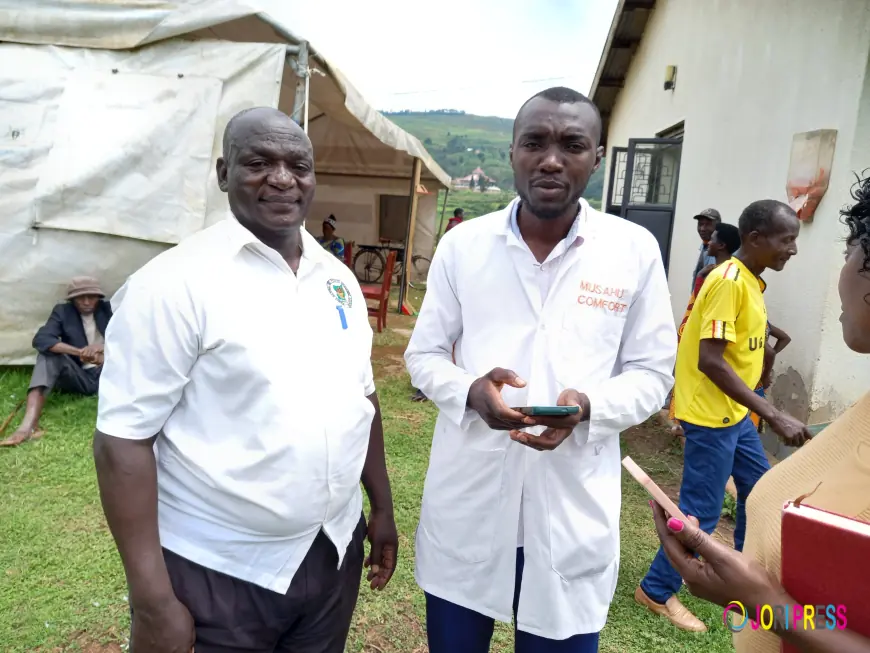
Health centers visited recently in Kabale district include Maziba health centre 1V, Kamukira health centre 1V and Kamuganguzi health centre 111 respectively where the initiative of patient support groups has been embraced by all the stakeholders.
The identified gaps ranged from lack of adequate treatment spaces among some health centers,like pharmacy spaces, treatment rooms and stores for medical drugs and equipment among others.
The shortage of housing units for the medical teams as well as transport and the persistent drug stock outs from these government facilities.
What's Your Reaction?
 Like
0
Like
0
 Dislike
0
Dislike
0
 Love
0
Love
0
 Funny
0
Funny
0
 Angry
0
Angry
0
 Sad
0
Sad
0
 Wow
0
Wow
0