





































How Office Name Plates Improve Workplace Identification
Office name plates are commonly used for this purpose. They provide simple information about a person, room, department, or work area while also adding structure to the office environment. A small plate beside a door may seem like a minor detail, but it can make a noticeable difference to how people move through a workplace.
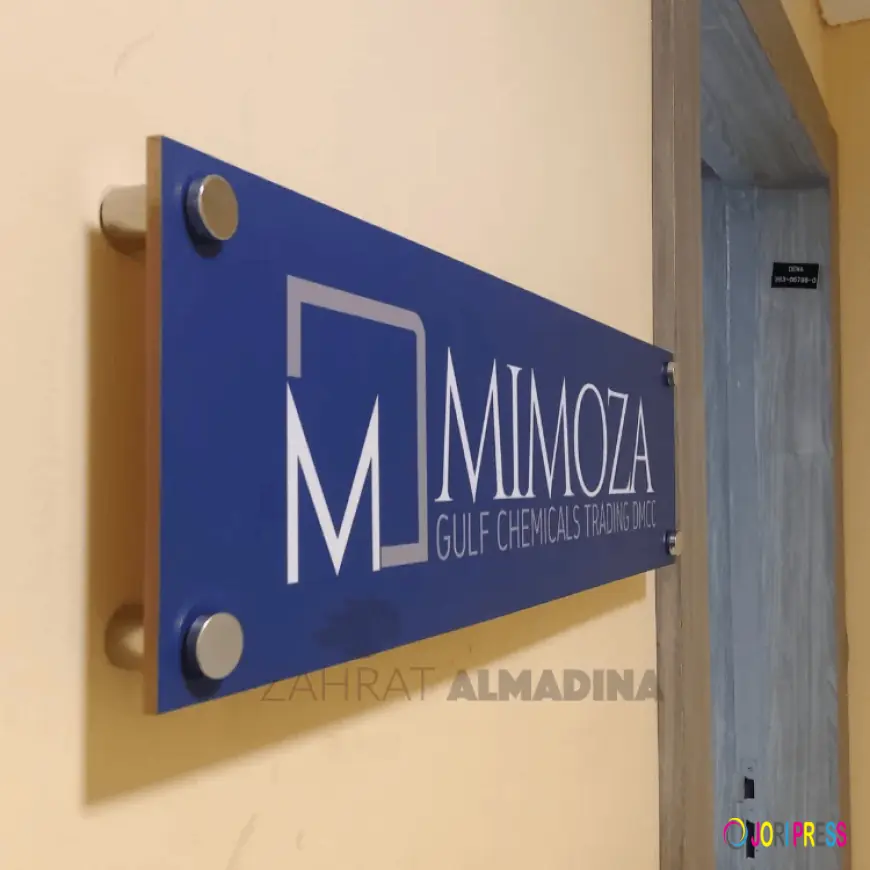
A workplace is easier to understand when people can quickly identify rooms, departments, and employees. In a busy office, visitors may need to find a meeting room, manager's office, reception area, or specific department without asking for directions each time. Clear signs placed near doors can make this process much easier.
Today, offices use name plates in different styles and materials. Some businesses prefer simple designs with only a name and job title, while others use branded layouts that match the rest of their workplace signs. The right choice depends on the office layout, type of business, and information that needs to be displayed.
1. Why Office Name Plates Are Useful
Office buildings can contain many rooms that look similar from the outside. Without clear identification, employees and visitors may have difficulty finding the right location.
A name plate gives immediate information. It can identify an employee, department, meeting room, or specific office without requiring additional assistance.
For example, a plate might display:
- Employee name
- Job position
- Department
- Room name
- Meeting room number
- Office function
This information is especially useful in larger workplaces where several departments operate on the same floor.
Clear identification can also reduce interruptions because visitors can locate the correct room without repeatedly asking employees for directions.
2. How Office Name Plates Support Visitors
First-time visitors may not know the layout of an office. They may arrive for a meeting, interview, appointment, or delivery and need to find a particular person.
Properly placed name plates can make navigation easier. Once visitors reach the correct area, they can confirm that they are at the right office by checking the information displayed beside the door.
This can be particularly helpful in:
- Business centres
- Corporate offices
- Shared workspaces
- Medical offices
- Educational institutions
- Government buildings
Clear identification creates a more organised environment and helps visitors move through the building with less confusion.
3. The Role of Custom Name Plate Designs
Every workplace has different requirements. A standard plate may not always match the layout or visual style of an office. This is where a custom name plate can be useful.
Custom designs allow businesses to select details such as:
- Size
- Shape
- Material
- Font
- Colour
- Logo placement
- Text arrangement
For example, a law office may prefer a simple and formal design, while a creative agency might use a more modern style.
Customisation also allows information to be arranged according to the available space. This is useful when a name, job title, and department need to appear together without making the plate difficult to read.
4. Choosing the Right Material
The material of a name plate affects its appearance, durability, and suitability for a particular workplace.
Common materials include acrylic, metal, wood, PVC, and other rigid surfaces. Each material creates a different visual effect.
Acrylic can provide a clean and modern appearance. Metal can suit offices that require a more formal or durable finish. Wooden options can create a warmer appearance, while lightweight plastic-based materials may be useful where simple identification is required.
The choice should depend on the office environment rather than appearance alone. A plate used in a high-traffic area may need a stronger material than one installed inside a private office.
5. How Name Plates Help Organise Workspaces
Office organisation is not only about furniture and storage. Clear visual identification also contributes to how a workplace functions.
Employees can quickly identify departments, meeting rooms, and individual offices when signs are positioned correctly. This is useful when new employees join the company or when visitors arrive.
Name plates can also help create a consistent system throughout a building. For example, every private office may use the same format, while meeting rooms follow another format.
A consistent approach makes the office easier to understand and gives different areas a clear visual relationship.
6. Using Name Plates for Different Office Areas
Name plates are not limited to individual offices. They can be used throughout a workplace for different purposes.
Common applications include:
Employee offices: Names and job titles can be displayed outside private offices.
Meeting rooms: Room names or numbers help employees locate scheduled meetings.
Departments: Signs can identify finance, human resources, administration, or other areas.
Reception areas: Identification signs can help visitors recognise the main reception point.
Workstations: Smaller plates can identify employees in shared office environments.
Restricted areas: Signs can indicate rooms that are accessible only to authorised staff.
Using the right type of information for each area keeps the workplace clear and easy to navigate.
7. The Importance of Readability
A name plate should be easy to read at a normal viewing distance. Attractive design is useful, but it should never make the information difficult to understand.
Several factors affect readability:
- Font size
- Letter spacing
- Contrast
- Text length
- Background colour
- Viewing distance
Long names or job titles may require careful spacing to prevent the design from becoming crowded.
Simple fonts are often easier to read than highly decorative typefaces. Clear contrast between the text and background can also make information more visible.
The purpose of a name plate is communication, so readability should remain the main priority.
8. How Name Plates Can Match Office Branding
Businesses often use a consistent visual identity across their offices. This may include specific colours, fonts, logos, and design elements.
Name plates can follow the same visual system. When door signs, reception signs, directional signs, and other office displays share similar design features, the workplace can appear more organised.
Branding should not overpower the information on the plate. The employee name, department, or room identification should remain easy to find.
A balanced design can combine company identity with practical information without making the plate unnecessarily complicated.
9. Updating Name Plates When Offices Change
Workplaces change over time. Employees move between departments, job titles change, and offices may be reassigned.
For this reason, businesses should consider how easily their name plates can be updated.
A flexible system can make it easier to replace names or information without changing every part of the sign. This can be particularly useful in larger offices with frequent staff changes.
Businesses should also check their plates periodically to ensure that information remains accurate. An outdated name or department label can cause confusion for visitors and employees.
Regular updates keep the identification system useful and reliable.
10. The Future of Office Identification
Office design continues to change as workplaces become more flexible. Shared desks, hybrid working, meeting pods, and multi-purpose spaces are becoming more common in many organisations.
These changes may influence how businesses use identification signs. Some offices may require temporary signs, room numbers, desk identifiers, or signs that can be changed easily.
Technology can also be combined with physical signage. QR codes, for example, can provide additional information without filling the plate with too much text.
At the same time, traditional name plates will remain useful because they provide immediate information without requiring a device or internet connection.
Printing and signage businesses, including Zahrat Al Madina Printing, continue to produce different types of office identification products for workplaces with varying design and information requirements.
Final Thoughts
Clear office identification can make a workplace easier to navigate for employees and visitors. Office name plates provide a simple way to identify people, rooms, departments, and other areas without adding unnecessary information. A custom name plate can also be designed around the size, material, branding, and information requirements of a particular workplace. With readable text, suitable materials, and consistent placement, name plates can contribute to a more organised and practical office environment.
What's Your Reaction?
 Like
0
Like
0
 Dislike
0
Dislike
0
 Love
0
Love
0
 Funny
0
Funny
0
 Angry
0
Angry
0
 Sad
0
Sad
0
 Wow
0
Wow
0