




































How Much Does Crypto Wallet App Development Cost?
Understand what drives crypto wallet app development costs, from wallet types and features to security and maintenance. Learn how to compare estimates and plan a realistic budget for your launch.

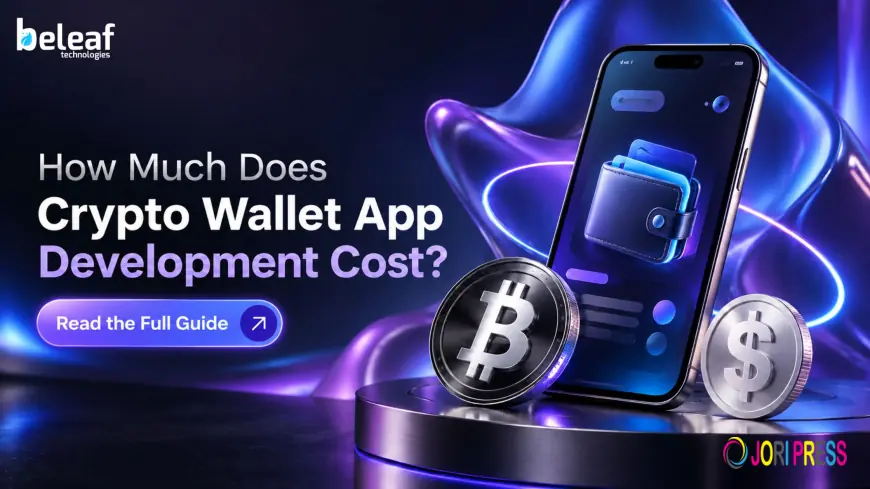
The wallet looks simple on your phone: a balance, a send button, and a transaction history. Building that experience involves decisions users rarely see, from authorizing transfers to restoring access after a lost device. Those choices shape your development bill. Startup founders, business owners, investors, and beginners can benefit from understanding these costs. A clear budget explains what you are paying for and helps you decide which features belong in the first version. It also makes proposals easier to compare.
Understanding the Development Budget
A development budget should reflect the work needed to deliver a defined product. Core functions such as sending, receiving, backup, and recovery require careful planning. Additional services and integrations expand the work involved and influence the final estimate.
To estimate labor costs, multiply the expected work hours by the team’s agreed hourly rate. For illustration, assume a rate of $40 per hour. A project requiring 500 hours would cost $20,000 in labor. At the same rate, 1,000 hours would cost $40,000, while 1,500 hours would cost $60,000.
These figures are illustrative calculations, not published market averages or provider quotations. Your actual price depends on the agreed work and rates. External audits, subscriptions, taxes, and operating expenses may be additional. Confirm whether design, testing, project management, and deployment are included.
Key Factors That Influence Cost
Wallet Type and Ownership
A crypto wallet helps people interact with blockchain accounts. Assets remain recorded on the blockchain. Private keys are digital credentials that authorize transactions in conventional wallets, while other designs use programmed account rules. Choosing who controls access influences how the product works. With a custodial model, a provider manages access to the assets. With a noncustodial wallet, users control access themselves. That makes clear backup and recovery instructions essential. A recovery phrase is a set of words used to restore access in many wallets. Other designs offer different recovery methods. Ask your development team how that choice affects customer support, security, and ongoing costs. Users should understand their responsibilities before they add funds. This is particularly important for people using a crypto wallet for the first time.
Features and Blockchain Support
Start by describing one complete customer journey. A user creates or imports a wallet, receives funds, reviews a fee, sends a payment, and checks its status. Each step needs design, development, and testing. The number of supported blockchains and currencies affects the amount of integration work. Adding swaps, staking, or purchases through payment providers also brings extra screens and testing. Choose these features according to what your users need. A feature name alone is too vague for pricing. For example, “transaction history” might mean a simple activity list or searchable records with exports and detailed statuses. Describe the expected behavior before asking teams to quote.
Platforms and User Experience
Your launch platforms matter too. Confirm whether the estimate includes Android, iOS, a browser extension, or a web application. Businesses may also need administration screens, reporting, and customer support tools, which should be priced clearly. Different audiences have different priorities. A beginner may need clear instructions and simple payment screens. A freelancer may value an easy way to receive funds, while a business may need transaction reports. Test a prototype with your intended users before committing to extra features. Their feedback can help you spend on improvements that serve a clear purpose.
Security and Testing
Security should appear as specific work in the proposal. OWASP’s mobile application security standard covers how apps protect stored information, handle access, and communicate with online services. These areas offer a useful starting point when discussing testing with developers. Ask who reviews key handling, recovery flows, and transaction authorization. Request a clear distinction between routine testing and an independent security review, including time to fix findings. If the app introduces custom smart contracts, ask how those contracts will be assessed. A small initial feature set still needs careful security work. Reduce optional functionality when budgets tighten, while preserving the checks that protect the core wallet experience.
Maintenance and Operating Expenses
The launch invoice is only one part of total product ownership. Prepare a separate operating budget for hosting, blockchain data access, monitoring, customer support, and software updates. Ask each provider how charges change as activity grows. Include maintenance responsibilities in writing. Who handles operating system updates, broken integrations, or a service outage? What response times apply, and what work costs extra? These details make ongoing expenses easier to plan. Arrange a review of the requirements for your target markets and business model before finalizing scope. Any necessary identity verification services or operational processes should have a named owner and a separate estimate.
Evaluating Development Proposals
Give every shortlisted team the same brief. Include your audience, wallet model, supported networks, launch platforms, essential features, and expected usage. Request estimates by delivery stage so differences are visible. Ask what you receive at handover, including source code access, documentation, deployment credentials, and relevant licenses. Clarify support terms and how changes are priced. For a ready made solution, check customization limits and recurring licensing charges. For a custom build, check which components will be developed specifically for you. Compare the complete scope and ownership terms before choosing a proposal.
Planning a Sustainable Wallet Launch
A sensible crypto wallet app development budget starts with a product people can understand and use confidently. Define the essential journey, price the work behind it, and reserve funds for operation after launch. Start with a clearly defined audience and an itemized development plan. Confirm that users can complete everyday wallet tasks comfortably before expanding the product. Use their feedback to guide improvements and keep spending connected to practical needs.
What's Your Reaction?
 Like
0
Like
0
 Dislike
0
Dislike
0
 Love
0
Love
0
 Funny
0
Funny
0
 Angry
0
Angry
0
 Sad
0
Sad
0
 Wow
0
Wow
0