


































How Interactive Activities Can Improve Language Learning for Kids
Language learning plays a significant role in a child’s intellectual and social development.

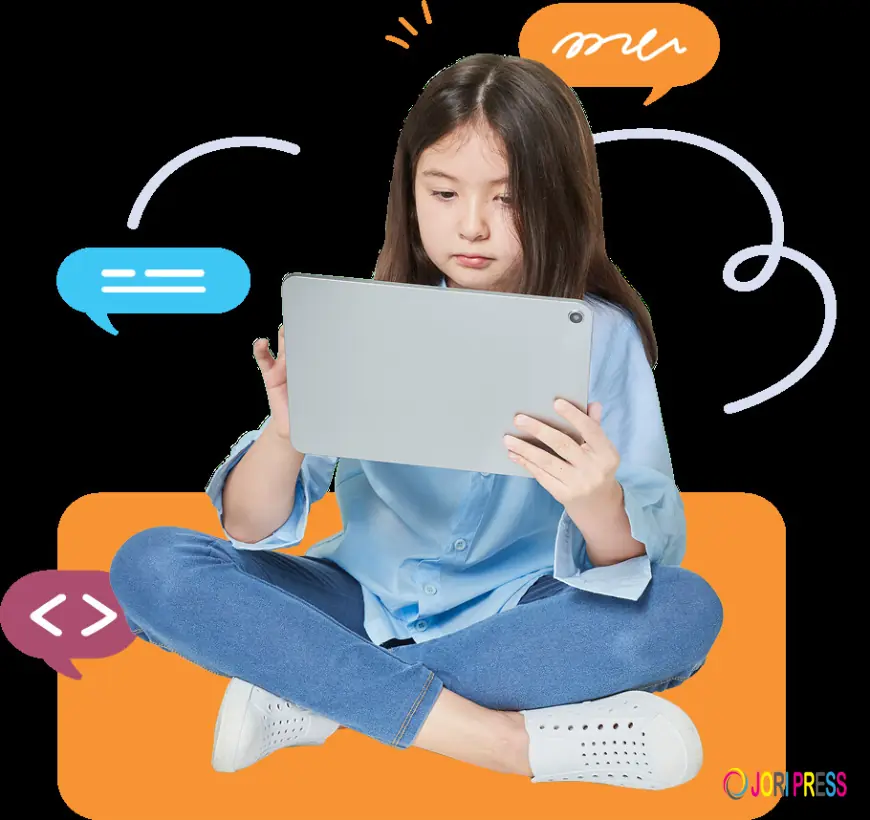
Language learning plays a significant role in a child’s intellectual and social development. Children have a remarkable ability to absorb new information during their early years, making it the ideal time to introduce them to additional languages. However, traditional language teaching methods often rely heavily on memorisation and repetitive exercises, which can sometimes make learning feel tedious for young learners.
Interactive activities offer a more engaging approach that keeps children curious, motivated, and involved in the learning process. When children participate in games, storytelling, songs, and creative exercises, they naturally develop language skills while enjoying the experience. This approach transforms language learning from a structured academic task into a playful and meaningful activity that children genuinely enjoy.
Learning Through Games and Play
Games are one of the most effective ways to introduce a new language to children. Young learners naturally respond to playful environments where they can explore and experiment without fear of making mistakes. Language-based games such as word puzzles, vocabulary matching activities, and memory challenges encourage children to practise new words and phrases in a relaxed and enjoyable setting.
When learning becomes part of a game, children focus more on participation than on the difficulty of the language itself. This helps them absorb vocabulary and sentence structures more naturally. Educational games also promote friendly competition and teamwork, which can further motivate children to practise and improve their language skills over time.
Storytelling as a Powerful Learning Tool
Storytelling is another highly effective interactive activity that supports language development in children. Listening to stories helps young learners understand pronunciation, sentence structure, and vocabulary within a meaningful context. Stories capture children’s imagination and allow them to associate words with emotions, characters, and situations.
In addition to listening, children can also participate in storytelling by acting out scenes or creating their own short narratives. This active involvement encourages them to practise speaking and expressing ideas in the new language. Storytelling activities can be especially helpful in programmes focused on Arabic learning for kids, where cultural stories and simple narratives introduce vocabulary while also helping children appreciate the richness of the language.
Songs and Music for Language Retention
Music is a powerful educational tool, particularly for young learners. Songs help children remember words, phrases, and pronunciation patterns through rhythm and repetition. When language is combined with music, it becomes easier for children to recall vocabulary and develop proper pronunciation.
Interactive singing sessions can also include gestures, dance movements, or simple actions that correspond with the lyrics. These physical movements reinforce the meaning of words and make the learning experience more memorable. Over time, children begin to recognise patterns in the language and develop stronger listening and speaking skills through repeated exposure to songs and musical activities.
Role-Playing and Real-Life Conversations
Role-playing activities allow children to practise language skills in realistic situations. For example, they might pretend to order food at a restaurant, introduce themselves to a new friend, or ask for directions. These scenarios help children understand how language is used in everyday interactions.
By participating in role-play, children gain confidence in speaking and expressing themselves. They learn how to form sentences, ask questions, and respond appropriately in different situations. This type of interactive activity also encourages creativity, as children often enjoy acting out characters and creating imaginative conversations with their classmates or teachers.
Digital Learning and Interactive Platforms
Technology has opened up new opportunities for interactive language learning. Educational apps, digital flashcards, animated lessons, and virtual classrooms provide engaging experiences that can complement traditional teaching methods. These tools often include colourful visuals, quizzes, and progress tracking systems that motivate children to continue learning.
Many parents today choose to Learn arabic online for kids through digital platforms that combine structured lessons with interactive exercises. Online learning environments can include live sessions with instructors, interactive games, and multimedia content that make language learning more accessible and enjoyable. This flexible approach allows children to practise language skills at their own pace while still receiving guidance and support.
Creative Activities and Visual Learning
Creative activities such as drawing, colouring, crafting, and visual storytelling can significantly enhance language learning for children. When children associate new words with visual images or creative projects, they are more likely to remember and understand them. For instance, drawing objects while learning their names in a new language helps reinforce vocabulary through visual memory.
Craft-based activities can also encourage children to follow instructions in the target language, improving both listening and comprehension skills. Teachers and parents can create themed projects related to animals, nature, or everyday objects, allowing children to practise vocabulary while expressing their creativity. This combination of art and language learning keeps children engaged while strengthening their understanding of new words.
Group Activities and Collaborative Learning
Children often learn more effectively when they interact with others. Group activities encourage communication, cooperation, and shared learning experiences. Activities such as team games, group storytelling, and collaborative puzzles allow children to practise language skills while working together.
These social interactions help children become more comfortable using the new language in real conversations. When learners observe their peers using words and phrases, they gain additional exposure to the language and become more confident in their own abilities. Collaborative learning environments also foster a sense of community, which can make the language learning process more enjoyable and less intimidating.
Building Confidence Through Interactive Learning
One of the greatest advantages of interactive language activities is the confidence they build in young learners. Traditional classroom environments sometimes make children hesitant to speak because they fear making mistakes. Interactive activities create a supportive atmosphere where experimentation and participation are encouraged.
As children engage in games, storytelling, and group activities, they gradually become more comfortable using the language. Positive feedback from teachers and peers further strengthens their confidence. Over time, children begin to speak more freely and naturally, which significantly improves their overall language proficiency.
Conclusion
Interactive activities play a crucial role in helping children develop strong language skills. By incorporating games, storytelling, music, creative projects, and digital tools, educators and parents can transform language learning into an engaging and enjoyable experience. These methods encourage children to practise language naturally rather than relying solely on memorisation.
When children actively participate in the learning process, they develop better comprehension, stronger communication skills, and greater confidence in using a new language. As education continues to evolve, interactive approaches will remain essential in helping young learners build meaningful language abilities that can benefit them throughout their academic and personal lives.
What's Your Reaction?
 Like
0
Like
0
 Dislike
0
Dislike
0
 Love
0
Love
0
 Funny
0
Funny
0
 Angry
0
Angry
0
 Sad
0
Sad
0
 Wow
0
Wow
0