






































How Can Homeowners Fix Common Kitchen Fixture Issues Fast?
Discover step-by-step solutions to repair dripping faucets, slow drains, low water pressure, and other kitchen fixture problems quickly. Simple tools and guidance save time and money.

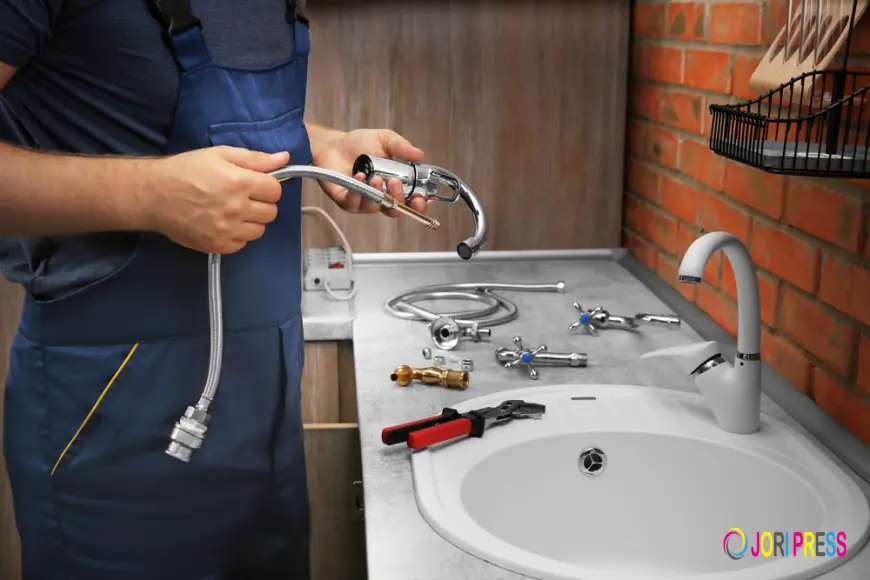
Kitchen fixtures face constant use and daily wear, and small problems can quickly become expensive repairs if ignored. Many homeowners rely on solutions like faucet repair Jacksonville at ronintechcontractor.com to address dripping taps or low water pressure, but several common kitchen fixture issues can be resolved immediately using basic tools and proper guidance. Fast action prevents water damage, reduces utility bills, and keeps the kitchen fully functional, while careful inspection and organized troubleshooting allow homeowners to handle most repairs without waiting for professional assistance.
Understanding Common Kitchen Fixture Problems
Kitchen fixtures include faucets, sinks, sprayers, drains, garbage disposals, and supply lines, each exposed to moisture, grease, and temperature changes. Dripping faucets often result from worn washers, cartridges, or O-rings, while low water pressure usually indicates clogged aerators or mineral buildup in supply lines. Leaky sink drains stem from loose slip nuts or degraded seals, and garbage disposals jam from food debris or foreign objects. Rust or corrosion appears on older metal fixtures, signaling exposure to water over time. Visual inspection, listening for unusual sounds, and checking for leaks under the sink help identify problems quickly and avoid unnecessary disassembly or wasted time.
Tools Every Homeowner Should Keep Ready
Repairs proceed faster when the right tools are within reach. Essential items include an adjustable wrench for loosening supply line nuts, a basin wrench for tight spots under sinks, plumbers' tape for leak-free threaded connections, and screwdrivers or Allen keys for faucet disassembly. Pliers help remove stubborn parts, while a bucket and absorbent cloth prevent water from spilling onto cabinets. Spare washers, cartridges, and O-rings serve as inexpensive replacements, ready to fix most minor leaks. Adequate lighting, such as a small work light, improves visibility in confined spaces, making tasks safer and more efficient.
Fast Fixes for Dripping Faucets
Dripping faucets waste water and increase utility costs, but most leaks can be corrected quickly with simple steps:
- Turn off water supply valves under the sink.
- Plug the drain to prevent losing small components.
- Remove the faucet handle using the proper screwdriver or Allen key.
- Extract the cartridge or stem assembly carefully.
- Inspect washers and O-rings for cracks or flattening.
- Replace worn parts with matching replacements.
- Reassemble the faucet and test the water flow.
Proper reassembly ensures correct sealing, and smooth handle operation indicates a successful repair.
Solving Low Water Pressure
Low water pressure often stems from mineral buildup in the aerator or sediment inside supply lines. Unscrew the faucet aerator and rinse it under running water, soaking it in vinegar for 20–30 minutes to dissolve deposits. Use a small brush to remove remaining debris and reattach it securely. Supply lines may require flushing into a bucket to remove internal blockages, restoring consistent pressure. Checking for leaks or kinks in the lines ensures proper water flow. Periodic cleaning prevents future pressure issues and maintains efficient kitchen function.
Repairing Leaky Sink Drains
Leaking sink drains allow water to collect beneath the cabinet and cause long-term damage if not addressed quickly. Place a bucket under the drain trap, then tighten slip nuts by hand, using an adjustable wrench for extra security. Inspect washers in the P-trap assembly, replacing any that appear cracked or hardened. Apply plumber’s putty around sink strainers for a watertight seal. Reassemble pipes carefully, running water to confirm no leaks remain. Correct alignment prevents recurring issues and ensures stable connections that can withstand daily use.
Clearing Slow or Clogged Drains
Slow drainage occurs when grease or food debris accumulates in pipes. A sink plunger creates pressure to dislodge minor blockages, while a baking soda and vinegar mixture helps break down buildup naturally. A drain snake reaches deeper clogs, removing trapped material effectively. Avoid chemical drain cleaners that may corrode pipes or damage fixtures. Manual cleaning and mechanical tools restore flow safely, allowing kitchens to remain functional and preventing leaks or backups caused by neglected drains.
Garbage Disposal Troubleshooting
Garbage disposals stop working due to jams, clogs, or motor overload. Quick steps restore operation efficiently:
- Turn off the power at the breaker for safety.
- Inspect inside the unit using a flashlight to locate debris.
- Remove obstructions with pliers, never using bare hands.
- Insert a hex key into the bottom socket to rotate the blades manually.
- Press the reset button located on the underside of the unit.
- Restore power and test the disposal with running water.
Persistent unusual sounds may indicate internal damage, requiring professional assistance.
Handling Loose or Wobbly Fixtures
Loose faucets or sprayers create leaks and reduce functionality. Tightening mounting nuts beneath the sink using a basin wrench stabilizes the fixture. Proper tightening prevents stress on water connections, ensuring durability and smooth daily use. Small adjustments save time and prevent major leaks caused by continuous movement or vibration during kitchen tasks.
Addressing Rust and Corrosion
Rust appears on fixtures exposed to constant moisture or lower-quality metals. Light surface rust can be removed using vinegar and a soft cloth or a paste of baking soda and water. Severe corrosion affecting structural integrity usually requires replacement with stainless steel or brass fixtures, which resist oxidation. Regular drying of metal surfaces slows corrosion, and quick intervention prevents the spread of rust to surrounding components.
Preventive Maintenance for Long-Term Performance
Routine inspections keep fixtures functioning efficiently. Checking under the sink for leaks monthly, cleaning aerators quarterly, and flushing drains with hot water reduces the risk of damage. Replacing washers at the first sign of dripping avoids larger faucet issues, while tightening connections periodically ensures stability. Preventive maintenance reduces emergency repair costs and extends the life of all kitchen fixtures, allowing homeowners to enjoy uninterrupted use.
Knowing When Professional Help Is Necessary
Complex plumbing issues require licensed assistance. Persistent leaks after replacement, water stains in cabinets, or garbage disposal motor failures indicate hidden problems beyond basic repairs. Professional plumbers bring specialized tools, training, and knowledge to handle repairs correctly and ensure compliance with local codes. Early professional intervention prevents structural damage and protects surrounding cabinetry, saving time and money in the long term.
Safety Considerations During Kitchen Fixture Repairs
Safety is critical while handling water and electricity. Shutting off water supply valves during faucet repair and turning off breakers for garbage disposal work prevents accidents. Gloves protect hands from sharp edges, while proper ventilation reduces exposure to cleaning fumes. Using stable footing and adequate lighting lowers the risk of slips or injuries. Attention to safety allows repairs to proceed efficiently and reduces the likelihood of accidents.
Cost Savings Through Fast Action
Quick repairs minimize water waste and prevent extensive damage, protecting the home from high repair bills. Replacing a washer costs far less than repairing cabinets damaged by leaks, while cleaning aerators restores water flow without buying new fixtures. Homeowners who address minor problems immediately maintain control over household expenses, and investing in basic plumbing tools pays off repeatedly for multiple repairs over time.
Choosing Quality Replacement Parts
Using the correct replacement components guarantees successful repairs. Bringing old washers or cartridges to a hardware store ensures compatibility. Universal parts may fit poorly, creating recurring leaks. Durable materials such as ceramic cartridges or stainless steel supply lines last longer than basic rubber washers or plastic components. Selecting reliable parts prevents repeat maintenance and improves the overall lifespan of fixtures, saving time and money.
Step-by-Step Approach for Faster Results
Organized repair procedures streamline tasks and reduce errors. Turning off water, arranging tools, and laying out replacement parts create a smooth workflow. Taking photos during disassembly aids accurate reassembly, and careful step-by-step replacement ensures seals and connections function correctly. Gradual testing after reassembly confirms proper operation and eliminates slow leaks. Structured steps minimize repeated work, saving time and frustration.
Final Thoughts
Most kitchen fixture problems can be resolved without full replacements. Dripping faucets, clogged drains, low water pressure, and loose fittings respond well to simple, methodical repairs. Regular inspection, prompt attention to leaks, and organized maintenance routines prevent water damage, reduce repair costs, and extend fixture life. Homeowners who follow step-by-step guidance maintain fully functional kitchens while protecting the home from avoidable plumbing issues.
FAQs
What tools are essential for quick kitchen fixture repairs? Adjustable wrenches, basin wrenches, pliers, screwdrivers, Allen keys, plumbers tape, buckets, cloths, spare washers, cartridges, and O-rings allow most minor repairs to be completed efficiently.
How can a dripping faucet be fixed immediately? Turning off the water supply, removing the handle, inspecting and replacing worn washers or O-rings, reassembling the faucet, and testing water flow resolves most drips quickly.
What prevents slow drains in the kitchen? Regular cleaning of aerators, flushing drains with hot water, and removing grease and debris manually prevent clogs and maintain smooth water flow.
When should professional plumbing help be sought? Persistent leaks, water damage in cabinets, and motor failures in garbage disposals or hidden pipe issues require licensed plumber intervention to prevent further damage.
What's Your Reaction?
 Like
0
Like
0
 Dislike
0
Dislike
0
 Love
0
Love
0
 Funny
0
Funny
0
 Angry
0
Angry
0
 Sad
0
Sad
0
 Wow
0
Wow
0