




































How Can Dance Improve Focus And Discipline In Kids?
Kids Dance Classes help children develop focus, discipline, patience, teamwork, and self-control through structured routines and consistent practice.

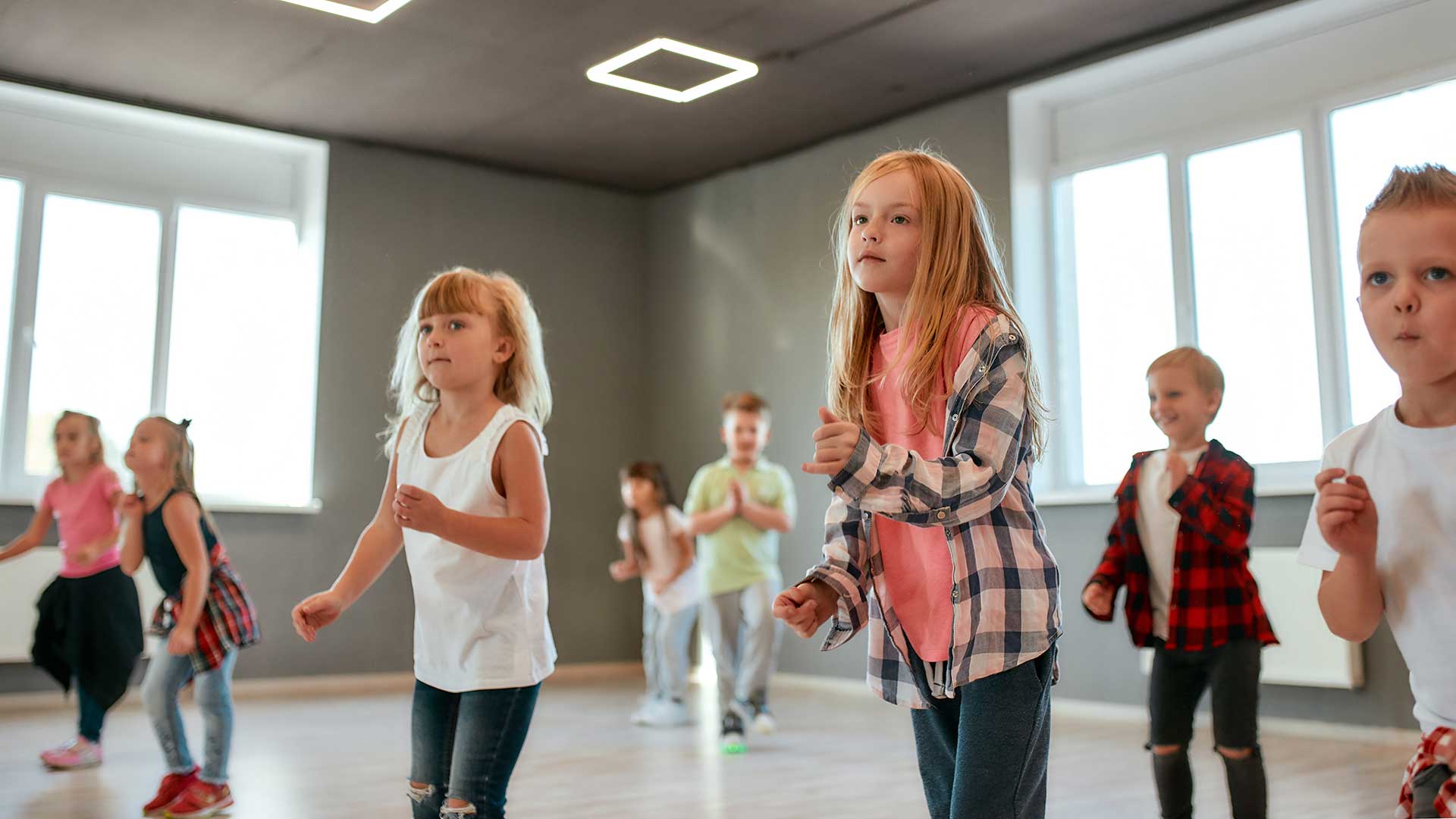
Children benefit from activities that combine physical movement with mental focus. Kids Dance Classes provide a structured environment where rhythm, coordination, and creativity merge to guide young learners toward stronger focus and discipline. Attending these classes encourages children to follow instructions carefully, remain attentive during lessons, and manage practice time effectively. By combining enjoyable movement with structured routines, dance helps children develop self-control and patience, skills that positively impact schoolwork, social interactions, and daily responsibilities, creating a solid foundation for lifelong growth.
The Connection Between Dance And Mental Focus
Dance demands careful attention to movement, timing, and rhythm. During classes, children observe instructors, memorize sequences, and synchronize with music. This repeated practice strengthens concentration and attention to detail. Over time, children develop the ability to focus for extended periods, even when routines become complex. Memorizing choreography and executing precise steps trains the brain to retain information and perform tasks accurately. These skills often transfer to academics, where concentration, memory, and persistence improve overall learning and performance in a variety of subjects.
Building Discipline Through Structured Practice
Dance classes follow consistent schedules, including warm-ups, drills, and rehearsals. Students learn that attending on time, practicing regularly, and repeating steps is essential for improvement. Instructors guide children through structured exercises, reinforcing patience and persistence. The repetition of movements until mastery teaches children that effort leads to progress. This disciplined approach fosters responsibility and self-regulation. These habits extend beyond the dance studio, influencing behavior in school, home routines, and other extracurricular activities, preparing children to approach tasks systematically and with dedication.
Key Ways Dance Strengthens Focus And Discipline
- Following step-by-step instructions during choreography
- Memorizing dance routines and movement patterns
- Practicing regularly to improve technique
- Listening carefully to music cues and teacher guidance
- Maintaining posture and balance throughout routines
- Working with peers to stay synchronized during group performances
- Building patience through repetitive practice
These core activities show children how structured effort improves performance and instills long-term discipline, which applies to multiple areas of life.
Encouraging Patience And Consistency
Dance teaches children that progress takes time. Mastery requires repeated practice and attention to detail. As children practice routines, improve coordination, and refine techniques, they notice gradual improvement, motivating them to continue learning. This experience reinforces patience and emphasizes that skills are developed through consistent effort. Developing patience also helps children handle setbacks calmly, fostering resilience. Over time, this understanding of incremental progress strengthens discipline, supporting better behavior, persistence in schoolwork, and confidence in facing challenges in both academic and social settings.
Supporting Emotional Control And Self-Awareness
Dance involves more than movement; it encourages emotional expression while maintaining focus. Children must manage frustration when learning difficult steps or correcting mistakes. Instructors guide them to pause, reflect, and try again calmly. This practice nurtures emotional control and patience, helping children respond thoughtfully to challenges. Expressing emotions through gestures and rhythm also promotes self-awareness, teaching children to understand their feelings and regulate behavior. These skills contribute to improved focus, better social interactions, and the ability to remain composed in various situations outside the classroom.
The Role Of Teachers In Developing Discipline
Dance instructors play a critical role in shaping student behavior and habits. They set expectations, provide structured guidance, and reinforce consistent practice. Teachers break complex routines into manageable steps, helping children progress gradually. Feedback is delivered constructively to maintain motivation and focus. Through modeling patience, attention, and persistence, instructors teach valuable lessons in discipline. Their mentorship ensures that children not only improve physically but also develop mental habits that reinforce focus, responsibility, and perseverance. This guidance supports growth in all areas of life, from academics to personal pursuits.
Group Activities That Encourage Responsibility
Group performances and collaborative routines teach children accountability and cooperation. Students learn that each individual’s focus impacts the team’s overall success. Working in synchrony requires listening, timing, and attention to others’ movements. These activities reinforce the idea that discipline is essential for collective achievement. Children learn to remain attentive and reliable during practice, understanding that their actions affect peers. Collaborating in group settings fosters teamwork, responsibility, and social awareness. By balancing personal effort with group needs, children strengthen both discipline and interpersonal skills.
Improving Time Management Skills
Dance programs involve rehearsals, warm-ups, and preparation for performances, requiring children to plan their time carefully. Attending classes and practicing routines teaches them to organize schedules efficiently. Balancing schoolwork, hobbies, and dance commitments fosters effective time management. Students learn to allocate attention to different responsibilities, prioritize tasks, and meet deadlines. Developing these skills early helps children remain organized and focused in academic settings and daily life. Strong time management reinforces discipline and ensures consistent effort across multiple areas of growth.
The Long-Term Impact On Personal Growth
Lessons learned through dance extend far beyond the studio. Children develop focus, discipline, confidence, and emotional control, shaping their academic and personal achievements. Structured practice fosters determination, patience, and persistence, which contribute to resilience. These skills help children approach challenges strategically, follow through on commitments, and set realistic goals. Participation in dance nurtures both social and personal development, allowing children to interact respectfully with peers, manage responsibilities, and face new situations with composure. Focus and discipline gained in dance support success in future endeavors and lifelong learning.
Conclusion
Dance strengthens the mind and body while instilling focus, discipline, and emotional awareness in children. Structured routines, attentive listening, and repeated practice encourage the development of patience, responsibility, and perseverance. Kids Dance Classes provide a fun yet organized environment where children learn that consistent effort leads to progress. The skills acquired extend beyond the classroom, enhancing school performance, social interactions, and personal growth. Dance cultivates habits that prepare children for success, helping them build a solid foundation for lifelong achievement and self-confidence.
FAQs
At what age can children start dance classes?
Dance classes can start as early as 3 years old, with programs designed to develop coordination, focus, and social skills effectively.
How does dance improve a child’s discipline?
Dance teaches structured practice, repetition, and persistence, helping children develop patience, responsibility, and self-control.
Can dance boost academic performance?
Yes, the focus and concentration required in dance often transfer to schoolwork, improving memory, attention, and task completion.
Why are group activities important in dance?
Collaborative routines teach accountability, teamwork, and responsibility, reinforcing discipline and attentive participation.
How often should children attend dance classes?
Attending 2–3 times per week provides consistent practice, reinforcing focus, technique, and long-term discipline.
Visit: guardianelc.com/dance
What's Your Reaction?
 Like
0
Like
0
 Dislike
0
Dislike
0
 Love
0
Love
0
 Funny
0
Funny
0
 Angry
0
Angry
0
 Sad
0
Sad
0
 Wow
0
Wow
0