




































Heat Press Machine to Apply DTF Transfers Ready to Press
Designed for efficiency and quality, this heat press machine is ideal for applying DTF transfers ready to press.

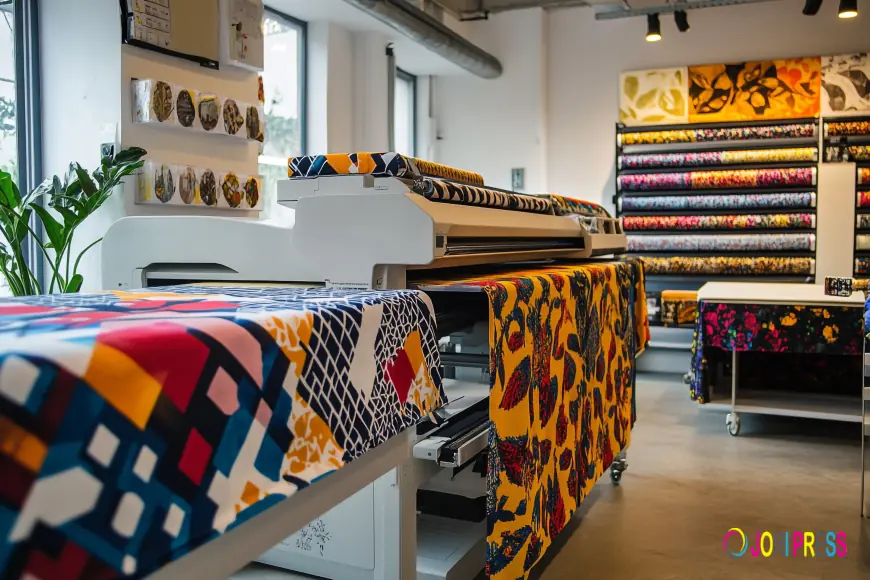
The custom apparel industry has changed dramatically in recent years. One technology that has made printing easier, faster, and more profitable is the combination of a Heat Press Machine and DTF transfers ready to press. Instead of complicated printing setups, you can now create professional-quality designs with a simple heat and press process.
Heat Press Machine for DTF Transfers Ready to Press
A heat press machine is a device that uses controlled heat and pressure to transfer designs onto fabrics and other materials. When combined with DTF transfers ready to press, it allows you to apply pre-printed designs directly onto garments.
Unlike traditional printing methods that require multiple steps, the heat press process is simple and efficient. The transfer already contains the design, adhesive powder, and necessary layers. Your job is simply to apply heat and pressure for the correct amount of time.
Why DTF Transfers Ready to Press Work Perfectly with a Heat Press Machine
DTF transfers are specifically designed to work with a heat and press process. The adhesive layer activates when heat is applied, allowing the design to bond with the fabric fibers.
This method provides several advantages:
-
Faster production time
-
Consistent print quality
-
Minimal setup requirements
-
Professional-looking results
Because the transfers are already printed and cured, the heat press machine only needs to activate the adhesive and secure the design onto the garment.
Heat Press Machine Setup for DTF Transfers Ready to Press
Before applying a transfer, proper machine setup is essential. Even small adjustments can significantly impact the final print quality.
Temperature Settings for Heat Press Machine
Most DTF transfers ready to press UK require temperatures between:
-
150°C to 165°C (300°F to 330°F)
However, the exact temperature depends on the transfer manufacturer and garment type.
Always check the recommended settings before pressing.
Pressure Settings for Heat and Press Applications
Pressure plays a critical role when using a heat press machine. Too little pressure may prevent proper adhesion, while excessive pressure can distort the design.
Professional printers usually use medium to firm pressure to achieve the best results.
This ensures the adhesive layer melts evenly and bonds properly with the garment fibers.
Time Settings for DTF Transfers Ready to Press
Pressing time usually ranges from:
-
10 to 15 seconds
Once the pressing cycle finishes, allow the transfer to cool slightly before peeling the film.
Some transfers require cold peel, while others work better with warm peel techniques.
How to Apply DTF Transfers Ready to Press with a Heat Press Machine
Applying transfers is straightforward when you follow the right steps.
Prepare the Garment
Start by placing the garment on the heat press platen. Pre-press the fabric for 3 to 5 seconds to remove moisture and wrinkles.
This step helps create a smooth surface for the transfer.
Position the DTF Transfer
Place the DTF transfer ready to press design on the garment with the printed side facing down.
Ensure the design is properly aligned before pressing.
Apply Heat and Press
Close the Heat Press machine and apply the recommended temperature, pressure, and time.
During this step, heat activates the adhesive layer and permanently bonds the design to the garment.
Peel the Transfer Film
Once the pressing cycle ends, peel the film according to the manufacturer’s instructions.
If the transfer requires a cold peel, wait until it fully cools before removing the film.
Final Heat Press Finish
Many professionals perform a second press for 5 seconds using parchment paper or a protective sheet.
This final heat and press step improves durability and creates a softer feel on the fabric.
Choosing the Best Heat Press Machine for DTF Transfers Ready to Press UK
Not all machines provide the same performance. If you want consistent results, you should invest in a reliable heat press machine designed for commercial printing.
Key Features to Look For
A quality heat press machine should include:
-
Even heat distribution
-
Adjustable pressure control
-
Digital temperature settings
-
Durable heating plate
These features help maintain consistent results during large production runs.
Clamshell vs Swing Away Heat Press Machines
Two popular heat press designs dominate the market.
Clamshell Heat Press Machine
-
Compact design
-
Faster workflow
-
Ideal for small spaces
Swing Away Heat Press Machine
-
Better pressure distribution
-
Easier garment positioning
-
Preferred by professional print shops
Choosing the right machine depends on your workspace and production needs.
Common Mistakes When Using a Heat Press Machine
Even experienced printers occasionally make mistakes when applying DTF transfers ready to press.
Understanding these common issues can help you avoid wasted materials and poor-quality prints.
Using Incorrect Temperature
If the temperature is too low, the adhesive may not fully activate. This can cause the design to peel after washing.
Always confirm the correct temperature for your transfers.
Applying Uneven Pressure
Uneven pressure can lead to partial adhesion or patchy designs.
A properly calibrated heat press machine ensures consistent pressure across the entire transfer.
Skipping the Pre-Press Step
Many beginners skip pre-pressing the garment. However, moisture trapped inside fabric fibers can interfere with adhesion.
A quick pre-press ensures better transfer results.
Why Heat and Press Technology Is Growing in the UK Printing Industry
The heat and press printing method has become extremely popular in the UK because it allows businesses to produce custom garments quickly and efficiently.
Instead of printing each design individually, companies can purchase DTF transfers ready to press UK and apply them on demand.
This approach offers several business advantages:
-
Lower equipment costs
-
Faster production time
-
Less technical training required
-
Ability to produce small orders
For small brands and startup print shops, this flexibility makes heat press printing an attractive solution.
Best Products to Print Using DTF Transfers Ready to Press
A heat press machine can apply transfers to many types of apparel and textile products.
Popular items include:
-
Custom t-shirts
-
Hoodies
-
Sweatshirts
-
Tote bags
-
Sportswear
Because DTF printing works with cotton, polyester, and blended fabrics, it provides more versatility than many traditional printing methods.
Experience-Based Tips for Better Heat Press Results
Professional printers develop small habits that improve print quality over time.
Here are some practical tips based on real production experience:
-
Always keep the heat press platen clean. Dust or adhesive residue can damage transfers.
-
Use a Teflon or parchment sheet during the finishing press to protect the design.
-
Test new transfers before starting large production runs. This helps verify correct temperature and pressure settings.
-
Maintain your heat press machine regularly to ensure accurate temperature readings.
-
These simple habits can significantly improve the consistency of your prints.
Future of Heat Press Machine and DTF Transfers Ready to Press
The custom printing market continues to grow, and heat press technology is evolving alongside it.
New machines now offer:
-
Faster heating systems
-
Digital pressure sensors
-
Automatic pressing features
At the same time, DTF transfers ready to press are improving with stronger adhesives and softer finishes.
Conclusion
A heat press machine combined with DTF transfers ready to press provides one of the most efficient solutions for custom apparel printing. The process is simple, reliable, and capable of producing professional-quality results when the correct temperature, pressure, and timing are used.
FAQs
What temperature should a heat press machine use for DTF transfers?
Most DTF transfers ready to press require temperatures between 150°C and 165°C, depending on the transfer manufacturer and fabric type.
Can beginners use a heat press machine for DTF transfers?
Yes. The heat and press method is beginner-friendly because the transfer already contains the printed design and adhesive layer.
Do DTF transfers ready to press work on all fabrics?
They work on many materials including cotton, polyester, and blended fabrics, making them highly versatile for custom apparel.
How long should I press DTF transfers with a heat press machine?
Pressing time typically ranges from 10 to 15 seconds, but it may vary depending on the transfer brand.
Are DTF transfers ready to press durable after washing?
Yes. When applied correctly with the right heat press settings, DTF transfers remain durable and maintain their appearance through many washes.
What's Your Reaction?
 Like
0
Like
0
 Dislike
0
Dislike
0
 Love
0
Love
0
 Funny
0
Funny
0
 Angry
0
Angry
0
 Sad
0
Sad
0
 Wow
0
Wow
0