




































Top Challenges in Healthcare Mobile Application Development and Solutions
Learn the top challenges in healthcare mobile application development and discover practical solutions to ensure security, compliance, integration, and better patient engagement in modern healthcare apps.

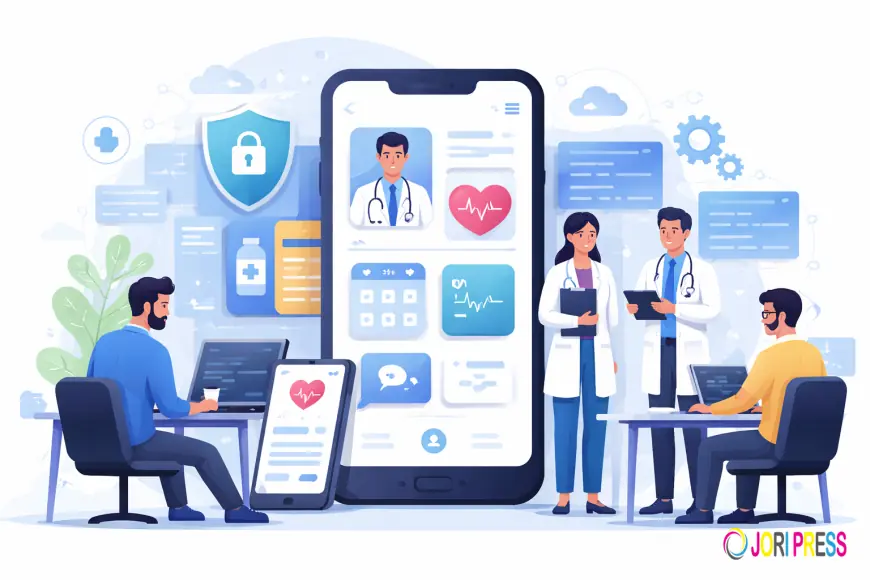
The healthcare industry is rapidly adopting digital technologies, and mobile apps have become an essential part of modern healthcare services. From appointment scheduling and telemedicine to remote patient monitoring and electronic health records, healthcare mobile applications are transforming how patients and medical professionals interact. However, developing a healthcare mobile application is not as simple as building a regular app. The industry has strict regulations, security requirements, and complex technical challenges.
Ensuring Data Security and Patient Privacy
One of the biggest challenges in healthcare mobile application development is protecting sensitive patient data. Healthcare apps handle confidential information such as medical history, prescriptions, diagnostic reports, and personal details. If this data is compromised, it can lead to legal issues and loss of patient trust.
Cybersecurity threats such as hacking, phishing, and data breaches are increasing in the healthcare sector. Therefore, developers must prioritize strong security measures when building healthcare apps.
Solution:
To ensure data security, developers should implement strong encryption methods, secure authentication systems, and strict access control. Technologies such as two-factor authentication, biometric login, and end-to-end encryption can significantly improve security. Regular security audits and vulnerability testing are also essential to keep the app safe from potential threats.
Regulatory Compliance and Legal Requirements
Healthcare applications must comply with various healthcare regulations and standards depending on the country or region where the app operates. Regulations are designed to protect patient data and ensure safe medical practices.
A professional healthcare app development company understands the importance of regulatory compliance and integrates industry standards into the development process from the beginning. These regulations may include privacy rules, data protection policies, and healthcare data handling guidelines.
Solution:
Developers must research and follow all applicable healthcare regulations during the app development process. Working with legal experts and compliance specialists helps ensure the app meets all necessary requirements. Additionally, implementing secure data storage and proper documentation helps maintain regulatory compliance.
Integration with Existing Healthcare Systems
Hospitals and clinics often use various systems such as Electronic Health Records (EHR), hospital management software, and diagnostic systems. Integrating a new healthcare mobile application with these existing systems can be challenging.
Without proper integration, the app may not function effectively, and healthcare providers may struggle to access important patient data.
Solution:
Using standardized APIs and interoperability protocols can make system integration easier. Developers should design the application architecture to support smooth data exchange between multiple platforms. This ensures healthcare professionals can access patient information in real time without disruption.
User-Friendly Design for Patients and Doctors
Healthcare apps are used by people with different levels of technical knowledge. Patients may include elderly users who are not comfortable with complex mobile interfaces, while doctors and healthcare staff require quick and efficient access to medical data.
Creating an intuitive and easy-to-use interface that meets the needs of both groups can be challenging.
Solution:
Developers should focus on simple navigation, clear interface design, and accessibility features. Conducting user testing during development helps identify usability issues and improve the overall user experience. Features such as voice assistance, large fonts, and easy navigation can make healthcare apps more user-friendly.
Managing Large Volumes of Medical Data
Healthcare applications often need to manage and process large amounts of data, including medical records, test results, imaging files, and patient monitoring data. Handling this data efficiently without slowing down the application can be a technical challenge.
If the app becomes slow or unreliable, healthcare providers may stop using it.
Solution:
Cloud-based infrastructure can help store and manage large volumes of data effectively. Developers should use scalable cloud platforms that allow the app to handle increasing amounts of data without affecting performance. Data compression and efficient database management also improve app performance.
Maintaining App Performance and Reliability
Healthcare mobile applications must be highly reliable because they are often used for critical medical tasks. System crashes, slow loading times, or technical errors can disrupt healthcare services and create serious problems for patients and doctors.
Ensuring consistent performance across different devices and operating systems can also be difficult.
Solution:
Developers should conduct extensive testing, including performance testing, stress testing, and device compatibility testing. Regular updates and maintenance help ensure the app remains stable and functional as technology evolves.
Patient Engagement and Retention
Even if a healthcare app is well designed, encouraging patients to use it regularly can be difficult. Many users download apps but stop using them after a short period.
Low engagement can reduce the effectiveness of the healthcare solution and limit its benefits.
Solution:
Adding features that improve user engagement can help increase app usage. These may include appointment reminders, medication alerts, health tracking tools, and personalized health insights. Push notifications and educational health content can also encourage users to stay active on the platform.
Cost and Development Complexity
Healthcare mobile application development can be expensive due to the complexity of the industry. Security requirements, regulatory compliance, system integration, and advanced features increase development time and cost.
Startups and small healthcare providers may find it difficult to manage these expenses.
Solution:
Businesses should start with a Minimum Viable Product (MVP) that includes only the most essential features. Once the app gains users and proves its value, additional features can be added gradually. This approach reduces initial costs and allows businesses to test the market before investing more resources.
Conclusion
Healthcare mobile applications are revolutionizing the healthcare industry by improving patient care, increasing accessibility, and streamlining medical services. However, building a successful healthcare app requires overcoming several challenges, including security risks, regulatory compliance, system integration, and user experience design.
By implementing strong security measures, following healthcare regulations, designing user-friendly interfaces, and using scalable technologies, businesses can successfully overcome these challenges. With the right development strategy and expert guidance, healthcare mobile applications can deliver reliable, secure, and efficient digital healthcare solutions for both patients and medical professionals.
What's Your Reaction?
 Like
0
Like
0
 Dislike
0
Dislike
0
 Love
0
Love
0
 Funny
0
Funny
0
 Angry
0
Angry
0
 Sad
0
Sad
0
 Wow
0
Wow
0