




































GPS Tracker for Bike
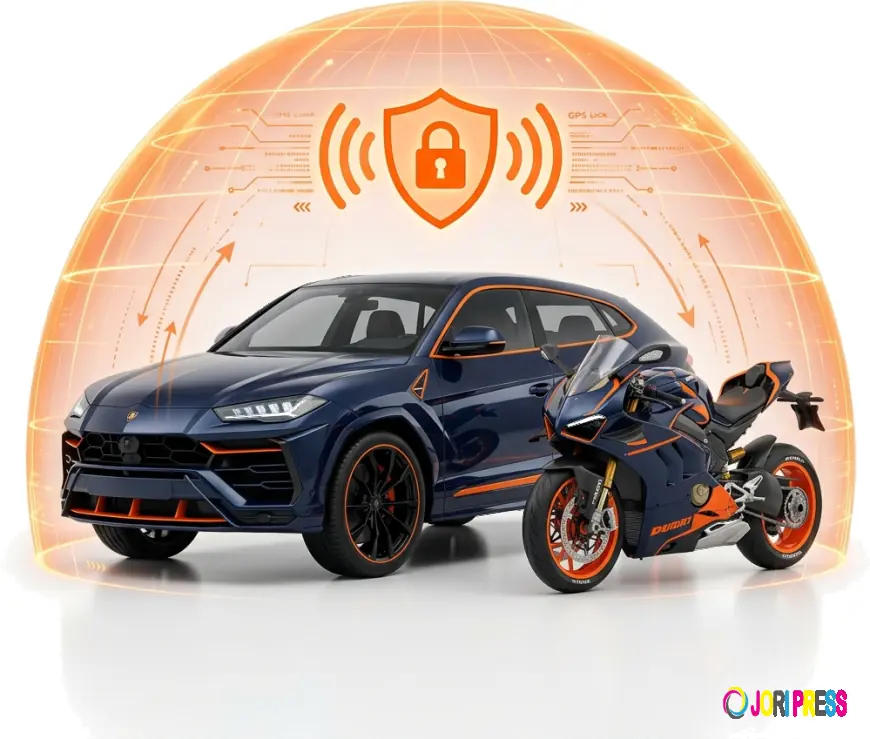
A GPS tracker for bike is a small electronic device designed to help motorcycle owners monitor the location and movement of their bikes. It can be especially useful for people who park their motorcycles in public places, use bikes for daily travel, or operate delivery and business motorcycles.

GPS Tracker for Bike: Complete Guide to Motorcycle Tracking
A GPS tracker for bike is a small electronic device designed to help motorcycle owners monitor the location and movement of their bikes. It can be especially useful for people who park their motorcycles in public places, use bikes for daily travel, or operate delivery and business motorcycles.
Modern bike GPS trackers generally use GPS to determine the motorcycle's location and a cellular connection to send that information to a tracking platform or mobile app. This allows an authorized user to check the bike's location remotely.
Unlike a traditional alarm, a GPS tracker provides location information. Depending on the device and service package, it may also offer movement alerts, route history, geofencing, battery alerts, or other tracking features.
What Is a GPS Tracker for Bike?
A GPS tracker for bike is a compact tracking device installed on a motorcycle. The device receives signals from GPS satellites to calculate its position and can use a cellular network to transmit that information.
The basic tracking process is:
GPS Satellites → GPS Tracker → Mobile Network → Tracking Server → Mobile App
Once the information reaches the tracking platform, the owner can view available tracking data through a smartphone application or web dashboard.
This makes it possible to monitor a motorcycle without needing to be physically near it.
How Does a GPS Bike Tracker Work?
A motorcycle GPS tracker normally combines several technologies.
GPS Positioning
The GPS component determines the motorcycle's location using satellite signals. GPS itself does not normally send information to your phone; the tracker needs another communication method to transmit its calculated position.
Cellular Connectivity
Many vehicle trackers use a SIM or cellular connection to send location information to a remote server. The tracking platform then makes that information available to the authorized user.
This means performance can depend on both GPS reception and cellular network coverage.
Mobile App
The mobile application acts as the interface between the user and the tracker. Depending on the service, the app may show the motorcycle's current location, previous routes, alerts, and other information.
Why Use a GPS Tracker for a Motorcycle?
Motorcycles are relatively compact and can be moved without the owner noticing. A tracker can provide an additional layer of visibility when a bike is parked or being used.
Common reasons for installing a bike tracker include:
-
Monitoring motorcycle location
-
Receiving movement alerts
-
Reviewing travel routes
-
Monitoring company bikes
-
Managing delivery motorcycles
-
Checking where a shared motorcycle has travelled
-
Supporting theft recovery efforts
A tracker does not physically prevent theft. Instead, it can provide location and movement information that may be useful when a motorcycle has been moved without authorization.
GPS Tracker for Bike for Anti-Theft Protection
One of the main reasons people search for a GPS tracker for bike is motorcycle security.
A tracker can detect movement and, depending on the model, send an alert when a parked motorcycle starts moving. Some systems also support tamper, ignition, or power-disconnection alerts.
For example, a typical tracking sequence can look like this:
-
The motorcycle is parked.
-
The tracker remains in monitoring mode.
-
Movement is detected.
-
The tracking system sends an alert.
-
The owner checks the bike's location through the app.
-
Location information can be shared with relevant authorities when appropriate.
The exact alerts and response options depend on the tracker and service provider.
Live Location Tracking for Bikes
One of the most useful features of a modern motorcycle tracker is live or near-real-time location tracking.
Instead of relying only on a physical lock or alarm, the owner can open the tracking application and view the bike's reported position on a map.
The frequency of location updates varies between devices and service plans. A tracker may report more frequently while the motorcycle is moving and reduce reporting while it is stationary to conserve power.
Therefore, buyers should check the actual reporting interval rather than assuming that every tracker provides second-by-second location updates.
Bike Tracking History
Many GPS tracking platforms store previous journeys.
This feature can show information such as:
-
Previous routes
-
Journey start and end points
-
Travel times
-
Stops
-
Distance travelled
-
Available speed information
Tracking history can be useful for personal motorcycles as well as business vehicles.
For example, a company using motorcycles for deliveries can review completed trips and compare routes with assigned work.
Geofencing for Motorcycles
Geofencing allows users to create a virtual boundary around a selected location.
For example, you could create a geofence around:
-
Home
-
Office
-
School
-
Warehouse
-
Business location
-
Delivery area
If the motorcycle leaves or enters the defined area, the system may generate an alert if that feature is supported by the tracker.
Geofencing can be particularly useful for businesses managing several motorcycles.
GPS Tracker for Bike With Mobile App
A mobile app makes motorcycle tracking convenient because users can check their tracking information from a smartphone.
Depending on the provider, the application may provide:
-
Live location
-
Vehicle status
-
Trip history
-
Movement notifications
-
Geofence alerts
-
Speed information
-
Battery or power alerts
-
Multiple vehicle management
Before buying a tracker, check whether the app supports your smartphone and whether access is included in the tracking package.
Hidden Installation Is Important
The physical installation of a motorcycle tracker deserves attention.
A bike tracker is generally designed to be compact and installed in a discreet location. Motorcycle-specific devices also need to handle conditions such as vibration, weather exposure, and limited installation space.
A professionally installed hardwired tracker can be less obvious than a device placed in an easily accessible location.
When purchasing a tracker, ask the provider:
-
Where will the device be installed?
-
Is installation included?
-
Is the tracker weather-resistant?
-
Does it have backup power?
-
What happens if the motorcycle battery is disconnected?
These questions can help you understand how the system will work in real conditions.
Does a GPS Tracker Drain the Bike Battery?
A hardwired GPS tracker normally receives power from the motorcycle's electrical system. Power consumption varies between devices.
Many trackers use low-power modes when the motorcycle is stationary to reduce unnecessary battery consumption.
However, battery performance can depend on the tracker's design, installation, battery condition, reporting frequency, and how long the motorcycle remains parked.
If your bike is rarely used, ask the provider about standby power consumption and battery protection before installation.
GPS Tracker for Bike Price in Pakistan
The GPS tracker for bike price in Pakistan can vary significantly depending on the device, features, installation, and subscription package.
For example, published Pakistani market listings show different price points for motorcycle tracking devices, with some basic products costing several thousand rupees and more feature-rich systems costing considerably more.
Some providers may quote separately for:
-
GPS tracking device
-
Installation
-
SIM/data service
-
Monthly subscription
-
Tracking application
-
Monitoring service
-
Additional security features
For this reason, comparing only the device price can give an incomplete picture.
A better comparison is:
Total Cost = Device + Installation + Service/Subscription + Additional Features
Always confirm the latest price directly with the provider before purchasing because packages and charges can change.
What Features Should You Look For?
Before choosing a GPS tracker for bike, compare the features rather than focusing only on price.
Real-Time or Frequent Location Updates
Check how frequently the tracker reports its location while the bike is moving.
Movement Alerts
A movement alert can notify you when a parked motorcycle starts moving.
GPS Tracking History
Route history allows you to review previous journeys.
Geofencing
Geofencing can notify you when a motorcycle enters or leaves a selected area.
Power and Tamper Alerts
Some devices can notify users if the main power supply is disconnected or the device is tampered with.
Mobile App
Make sure the app is easy to use and supports your smartphone.
Backup Battery
A backup battery can help maintain tracking information if the motorcycle's main power supply is interrupted, depending on the device.
Weather Resistance
Motorcycles are exposed to rain, dust, heat, and road conditions. A tracker designed for motorcycle installation should be suitable for its intended environment.
GPS Tracker for Personal Bikes
A personal motorcycle owner can use a tracker to keep an eye on a bike during daily commuting, parking, or travel.
For example, if you leave your motorcycle outside your workplace for several hours, a tracker can provide a way to check its reported location and receive supported alerts.
This can provide additional visibility without requiring the owner to physically inspect the motorcycle throughout the day.
GPS Tracker for Delivery Bikes
GPS tracking can also be useful for businesses operating delivery motorcycles.
Food delivery companies, courier services, pharmacies, retailers, and other businesses may use motorcycle tracking to monitor their vehicles.
Fleet tracking can provide information about:
-
Rider routes
-
Vehicle locations
-
Trip history
-
Delivery movement
-
Vehicle usage
-
Working areas
For a business with multiple motorcycles, a fleet tracking dashboard can be more practical than managing each vehicle separately.
Bike GPS Tracker vs. Traditional Alarm
A traditional motorcycle alarm is designed primarily to create an audible warning when unauthorized activity is detected.
A GPS tracker serves a different purpose.
| Feature | Traditional Alarm | GPS Tracker |
|---|---|---|
| Audible warning | Usually | Depends on device |
| Location tracking | No | Yes |
| Mobile app | Usually no | Often available |
| Route history | No | Often available |
| Movement alerts | Depends on alarm | Common feature |
| Geofencing | No | Available on many systems |
| Vehicle monitoring | Limited | Yes |
Some motorcycle owners may choose to use both physical security measures and GPS tracking because they address different parts of vehicle security.
Limitations of GPS Bike Trackers
GPS trackers are useful, but they are not perfect.
GPS performance can be affected by environmental conditions and signal availability. Cellular-based trackers also depend on network coverage for transmitting information.
A tracker should therefore be considered an additional security and monitoring tool rather than a guarantee that a motorcycle cannot be stolen.
Buyers should also understand the difference between GPS positioning and cellular communication. A device may know its location but temporarily be unable to transmit a fresh position if communication coverage is unavailable.
How to Choose the Right GPS Tracker for Bike
Before purchasing, consider your actual requirements.
For a personal motorcycle, you may primarily need:
-
Reliable location tracking
-
Movement alerts
-
Mobile app access
-
Good installation
-
Reasonable subscription cost
For a delivery or business fleet, you may need additional features such as:
-
Multiple vehicle tracking
-
Route history
-
Geofencing
-
Reports
-
Fleet dashboard
-
Driver monitoring
-
Centralized alerts
The right choice depends on how the motorcycle will be used and what information you need from the tracking system.
Final Thoughts
A GPS tracker for bike can provide useful visibility into a motorcycle's location, movement, and travel history. Modern systems can combine GPS positioning, cellular communication, mobile applications, movement detection, and other features to create a practical tracking solution.
For personal bike owners, the most important features may be location tracking and unauthorized movement alerts. Businesses operating delivery or commercial motorcycles may benefit from fleet tracking, route history, geofencing, and reporting.
Before buying, compare the device price, installation cost, subscription charges, tracking features, mobile app, network coverage, battery requirements, and after-sales support. This will give you a clearer picture of the actual value of a motorcycle GPS tracking system rather than judging it only by its initial price.
What's Your Reaction?
 Like
0
Like
0
 Dislike
0
Dislike
0
 Love
0
Love
0
 Funny
0
Funny
0
 Angry
0
Angry
0
 Sad
0
Sad
0
 Wow
0
Wow
0