




































How to Choose the Right Garden Design Company and Landscaping Service
Looking for a Garden Design Company? Discover how to choose professional Corporate Garden Design Services, compare landscapers in London and plan outdoor spaces that work beautifully year-round.
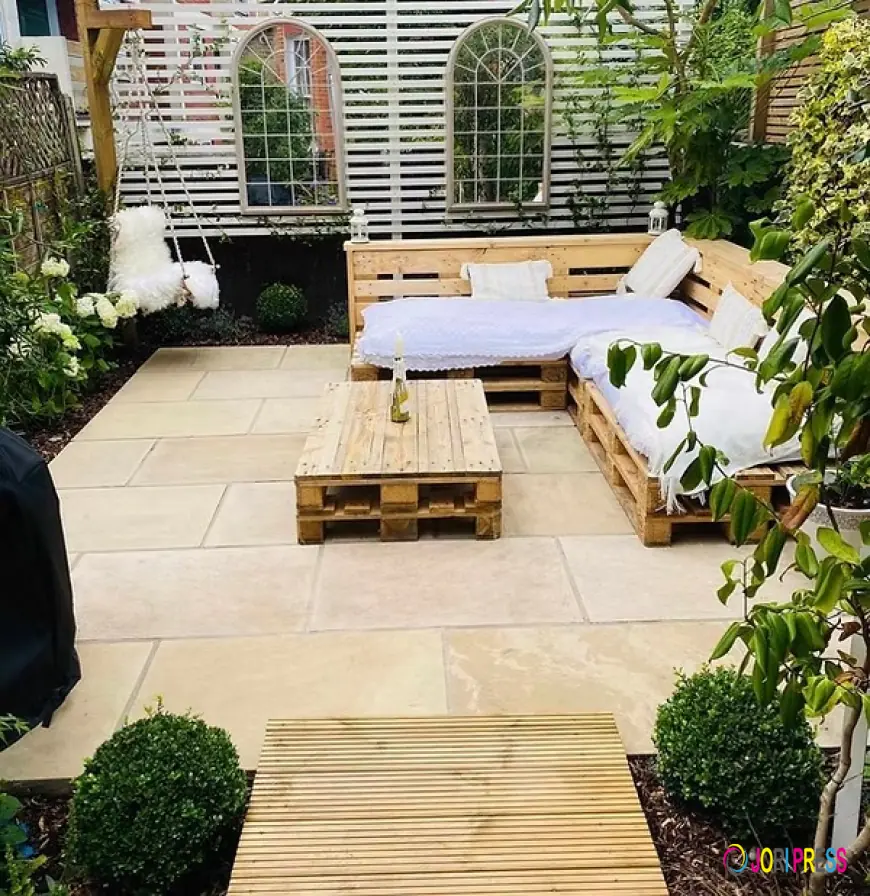
A well-designed garden can change how a property feels. At home, it can create somewhere to relax, entertain and spend time outdoors. In a commercial setting, a thoughtfully planned landscape can influence how employees, visitors and clients experience a building.
Yet good garden design is about more than choosing attractive plants.
Drainage, access, maintenance, lighting, planting conditions and how people actually use the space all need consideration. A beautiful garden that becomes difficult to maintain or unusable after heavy rain hasn't really solved the problem.
That is why choosing the right Garden Design Company should begin with the way you intend to use the space, rather than simply looking through photographs of previous projects.
What a Professional Garden Designer Actually Does
Garden design sits somewhere between architecture, horticulture and practical project planning.
A professional designer will usually consider the existing structure of a space before deciding what to add. That may include understanding levels, soil, drainage, sunlight, boundaries, access and the relationship between the garden and the building itself.
The design process can involve:
- Initial site assessment
- Concept development
- Planting plans
- Hard landscaping
- Lighting
- Irrigation and drainage
- Material selection
- Ongoing maintenance considerations
The best designs tend to look natural because all these elements have been considered together.
A path should lead somewhere useful. Seating should sit where people actually want to spend time. Planting should suit the conditions rather than simply filling empty space.
Garden Design Company: What to Consider Before Hiring
When comparing a Garden Design Company, experience matters, but it shouldn't be the only consideration.
Start by looking at completed projects that are similar to your own. A designer who specialises in compact urban gardens may not be the best choice for a large commercial landscape, and vice versa.
Ask how the company approaches the process.
Will you receive a detailed plan? Who manages the landscaping work? Are planting and maintenance included? How are unexpected site issues handled?
Communication is important too.
Garden projects often involve multiple stages, materials and trades. A clear process helps prevent misunderstandings later, particularly when the project has a substantial budget or a fixed completion date.
A good designer should be comfortable discussing practical constraints as well as aesthetics.
Planning Corporate Outdoor Spaces
Commercial landscaping has a different set of priorities.
A corporate garden or outdoor space may need to accommodate staff, visitors, deliveries and events while remaining visually attractive throughout the year.
Outdoor areas can serve several functions. A seating area might become an informal meeting space, while planting can soften a large building and create a more welcoming entrance.
Corporate landscapes also need to consider accessibility, security and maintenance.
A design that looks impressive immediately after installation but requires constant specialist attention may not be practical for a busy business.
That is where Corporate Garden Design Services can be particularly valuable. The objective is not simply to create an attractive outdoor area, but to design something that supports the building's purpose and can be maintained realistically.
Why Corporate Garden Design Needs a Different Approach
A private garden is usually designed around one household. A corporate landscape may have dozens or hundreds of users with very different needs.
Consider footfall.
If employees regularly move between buildings, pathways need to be clear and durable. If visitors arrive at a reception area, the entrance landscape may need to communicate something about the business before anyone walks through the door.
Seating, shade and planting can also influence how outdoor spaces are used.
There is an important balance between making a landscape distinctive and keeping it practical.
Corporate gardens rarely need to look extravagant. Often, the most successful spaces are the ones that feel calm, purposeful and easy to navigate.
Working with Landscapers in London
Projects involving Landscapers in London often come with specific challenges.
Space can be limited, access can be difficult, and existing buildings may place restrictions on what can be installed. Urban sites can also have drainage, privacy and neighbouring-property considerations that wouldn't arise in a rural garden.
Experience with city sites is therefore useful.
Ask how the landscaper handles restricted access, waste removal, material deliveries and work around occupied buildings.
Urban landscaping also benefits from thoughtful planting. Plants need to cope with local conditions while adding structure and interest without overwhelming a relatively small space.
Good planning before construction can prevent expensive changes later.
When Artificial Grass Installation London Makes Sense
Artificial grass divides opinion, but there are situations where it can be a practical choice.
For properties where maintaining natural turf is difficult, Artificial Grass Installation London can provide a consistently usable surface without regular mowing or the seasonal maintenance associated with conventional lawns.
It can be particularly useful in smaller urban gardens, terraces or commercial spaces where heavy footfall makes natural grass difficult to maintain.
That said, it shouldn't automatically be treated as a replacement for a living lawn.
Natural grass supports soil ecosystems and has a different visual and environmental character. Artificial turf can also become hot in direct summer sunlight and requires its own cleaning and maintenance.
The choice should therefore come down to the requirements of the site.
Where year-round appearance, heavy use and reduced mowing are priorities, artificial grass may have a practical role. In other gardens, natural planting and lawn areas may be the better long-term solution.
Budget, Maintenance and Long-Term Value
The installation cost is only one part of a garden's lifetime expense.
Maintenance, irrigation, pruning, replacement planting and repairs can all add to the total.
This is why maintenance should be discussed during the design stage rather than treated as an afterthought.
A professional designer should be able to explain which elements require regular attention and which have been selected for lower maintenance.
Materials also matter.
Hard landscaping that looks inexpensive initially may require repairs sooner than better-quality alternatives. Similarly, buying mature plants can increase the initial cost but create a more established appearance quickly.
The cheapest design is rarely the cheapest over its entire lifespan.
Common Mistakes to Avoid
One common mistake is designing around photographs rather than the site itself.
A garden that looks impressive online may not suit your soil, available sunlight or intended use.
Another is underestimating maintenance.
Every garden needs some upkeep. The goal is to decide how much time and money you're realistically prepared to spend.
Poor drainage is another frequent issue. Water needs somewhere to go, particularly in heavily paved urban gardens.
Finally, don't forget how the garden connects to the building. The best outdoor spaces feel like a natural extension of the architecture rather than a separate project placed outside it.
Choosing the right Garden Design Company is ultimately about finding a team that understands both design and the realities of using an outdoor space.
For commercial properties, Corporate Garden Design Services can help create landscapes that support employees, visitors and the wider identity of a building. Working with experienced Landscapers in London can also be valuable when an urban site presents practical challenges around access, drainage or space.
Where natural grass isn't suitable, Artificial Grass Installation London may offer a practical alternative, but it should be considered as part of the wider landscape rather than an automatic solution.
The best gardens aren't simply attractive. They work.
FAQs
What does a Garden Design Company do?
A garden design company plans the layout, planting, materials and practical features of an outdoor space. Depending on the business, it may also manage installation, landscaping and ongoing maintenance.
How much planning does a corporate garden need?
Corporate gardens usually require more consideration of access, footfall, maintenance, safety and different user groups than private gardens. The amount of planning depends on the size and purpose of the site.
How do I choose Landscapers in London?
Look for experience with projects similar to yours, clear communication, transparent project planning and evidence of completed work. Ask how the company manages site access, materials and unexpected problems.
Is artificial grass suitable for a London garden?
It can be suitable where year-round use and reduced mowing are priorities, particularly in smaller or heavily used spaces. However, the decision should take account of drainage, heat, maintenance and the wider environmental characteristics of the garden.
Should maintenance be considered during garden design?
Yes. A good design should reflect how much time, expertise and budget will realistically be available for maintenance once the project is complete.
What's Your Reaction?
 Like
0
Like
0
 Dislike
0
Dislike
0
 Love
0
Love
0
 Funny
0
Funny
0
 Angry
0
Angry
0
 Sad
0
Sad
0
 Wow
0
Wow
0