
































The Easy Way to Send Film for Professional Development
Learn how film development by mail works and how to safely send your rolls to a professional lab for quality processing.
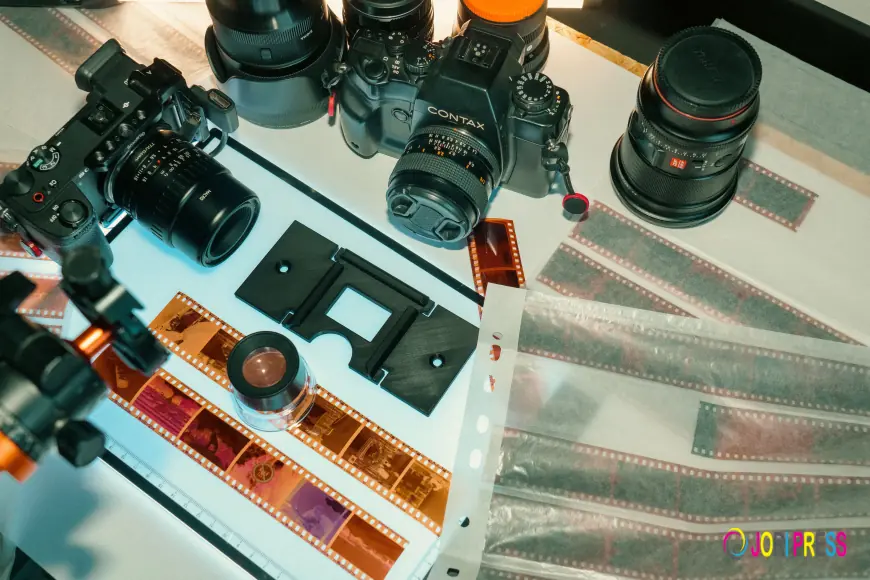
Film photography is a much more complex process than just shooting film. After the roll of film is exposed, special care should be taken during the development and film processing phases. In case you lack a darkroom nearby, sending your film to a lab for development may be an easy solution.
Film development By Mail allows photographers to send exposed rolls to a professional photo lab for processing. The lab develops the film, prepares the negatives, and can often provide film scanning or printing services as well.
What Is Film Development By Mail?
Film development By Mail is a service that lets photographers send their exposed film to a photo lab instead of visiting the lab in person.
The basic process is straightforward:
- Finish shooting your roll of film.
- Keep the exposed roll protected from heat and moisture.
- Place the film in suitable packaging.
- Complete the lab order online.
- Ship the film to the lab.
- The lab receives and processes the film.
- Negatives are returned or scans are delivered digitally.
This service is useful for photographers who shoot regularly and want professional film processing without needing to visit a physical location.
Why Send Film to a Professional Lab?
Film processing demands precision. Alterations in temperature, chemical, time or even handling will influence the final negatives. A professional lab is the one with the right machinery and experience to handle the various kinds of film.
Professional film development can be useful for:
- 35mm film
- 120 film
- 220 film
- Color negative film
- Black and white film
- Slide film
- Disposable camera film
Before sending a roll, check that the lab supports the film type and process you need.
How to Prepare Film for Mailing
Proper packaging helps protect the film before it reaches the lab. Exposed film should be kept away from excessive heat and moisture.
For standard rolls, make sure the film is fully rewound into the cartridge. Disposable cameras should be sent as they are unless the lab provides different instructions.
A simple mailing checklist includes:
- Use a strong protective envelope or box.
- Keep the film dry.
- Protect the rolls from unnecessary heat.
- Include the correct order information.
- Check the shipping address carefully.
- Keep your tracking information until the order is complete.
There is no need to use complicated packaging. The main goal is to keep the film secure during transportation.
What Happens After the Lab Receives the Film?
The film is identified and checked before being processed in the laboratory when it gets there. Different processes are chosen based on the film itself.
For instance, C41 process is used for color negative films, while E6 process is used for color slide films. Black and white film uses a completely different process from the others.
Professional film processing normally involves several controlled steps. The film is developed and then washed and dried before it is prepared for scanning or printing.
Careful handling at this stage is important because the negatives are the original photographic record.
Film Scanning After Development
Negatives that have been developed can be scanned and viewed on the computer. Film scanning plays an important role in ensuring photographers have access to their work online.
Factors that influence the quality of a scan include the condition of the negative, scanner quality, resolution, dust control, and the actual scanning process itself.
Professional scanning can provide files suitable for:
- Online portfolios
- Social media
- Client previews
- Digital archives
- Photo editing
- High quality reproduction
It is important to choose a scan resolution based on how the images will be used. Smaller files may be suitable for online sharing while higher resolution scans can be useful for printing and archival purposes.
Film Processing and Printing in One Place
Sending film to a lab can be more convenient when several services are available through the same order. After film processing, photographers may need scans, prints, or both.
A professional photo lab can provide services such as:
- Film development
- Film scanning
- Photo printing
- Darkroom printing
- Fine art printing
- Image archiving
- Photo restoration
Having these services available through one lab can make it easier to manage a complete film workflow.
Choosing a Film Lab
Not every lab handles film in the same way. Before placing an order, check the services and processes offered by the lab.
Look for information about:
- Supported film formats
- Available processing types
- Scanning options
- Print sizes
- Turnaround times
- Shipping instructions
- Order tracking
- Customer support
Experience also matters. A lab that regularly works with professional photographers is more familiar with the handling requirements of different film stocks and formats.
Why Online Ordering Makes the Process Simple
Online ordering removes much of the work involved in arranging film processing. Instead of visiting a lab, photographers can select their services online and send the exposed film by mail.
This can be helpful for photographers who live outside a major city or who prefer to manage their film orders from their studio or home.
The process also makes it easier to request additional services such as scanning and printing at the same time.
Professional Film Development By Mail at The Icon
At The Icon in Los Angeles, film photographers can send their exposed rolls for professional processing and related services. The lab works with photographers who need dependable handling for their film from development through scanning and printing.
Some of the services include Color film developing, Black & White film developing, E6 Processing, Film Scanning, and Photo Printing. Photographers can also give specific requests when there is need for extra care for the project.
For those who wish to have an easy means of sending their exposed films to a professional lab, Film development By Mail proves to be quite convenient. All one has to do is to ensure that the film is packaged properly and uses the right processing service.
Final Thoughts
Film photography doesn’t have to get too complicated once the shutter is released. Through the service of Film development By Mail, exposed rolls can be mailed off to a laboratory that will take care of the development of films without the need of a nearby darkroom.
Film scanning and/or printing can be incorporated into this process for convenience. For photographers who take pride in their negatives, professional film development is a surefire way of going from exposed rolls to developed pictures.
What's Your Reaction?
 Like
0
Like
0
 Dislike
0
Dislike
0
 Love
0
Love
0
 Funny
0
Funny
0
 Angry
0
Angry
0
 Sad
0
Sad
0
 Wow
0
Wow
0