





































Dog Harness vs Collar: How to Choose the Right Fit for Your Dog
Petrascal focuses on products designed to support everyday pet care and the needs of pet owners. When selecting walking equipment, it is helpful to consider quality, comfort, durability, and practical design.

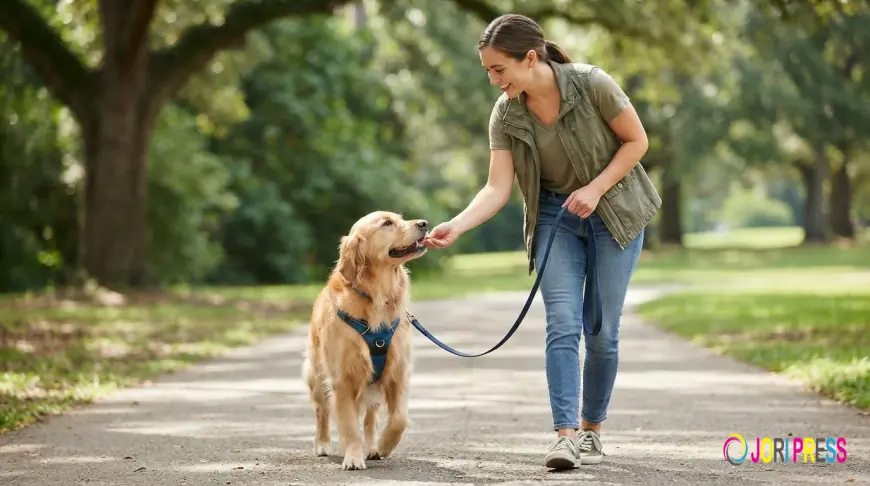
Choosing the right walking gear can make daily walks more comfortable and manageable for both dogs and their owners. Many pet parents wonder about dog harness vs collar when deciding what their dog should wear. Both options have different designs and uses, so the best choice depends on your dog's age, size, behavior, and walking habits.
Dog Collars
A collar is one of the most common pieces of equipment for dogs. It fits around the neck and can hold identification tags, which makes it useful for everyday wear. Collars are generally lightweight and easy to put on or remove.
For dogs that walk calmly without pulling, a properly fitted collar may be suitable for routine walks. However, owners should make sure the collar is not too tight. You should be able to comfortably fit two fingers between the collar and your dog's neck.
Collars can also be useful for carrying identification information. If your dog ever gets separated from you, visible identification can make it easier for someone to contact you.
Dog Harnesses
A harness fits around a dog's chest and body rather than placing pressure mainly around the neck. It usually includes a leash attachment point on the back, chest, or both, depending on the design.
Harnesses can provide greater control during walks, especially for dogs that pull or are difficult to guide. They can also be helpful for dogs with certain neck sensitivities because the leash pressure is distributed across the body instead of being concentrated around the neck.
When choosing a harness, proper fitting is important. It should be secure without restricting normal movement. Check around the chest and legs for rubbing, and make sure your dog can walk, sit, and move comfortably.
Harness or Collar for Puppy?
When considering a harness or collar for puppy, think about the puppy's size, behavior, and walking experience. Puppies are still learning how to walk calmly on a leash, so a lightweight, properly fitted harness can be useful during early training.
A collar can still be useful for identification tags and getting a puppy accustomed to wearing everyday accessories. Some owners use both, with the harness attached to the leash while the collar carries identification.
The important point is to introduce either option gradually. Let your puppy sniff and investigate the equipment before putting it on for longer periods.
When to Use a Harness vs Collar
Knowing when to use a harness vs collar depends largely on the situation. A collar may work well for identification and calm dogs that already have good leash manners. A harness may be more suitable for walks when a dog tends to pull or needs additional guidance.
Some dogs may comfortably use both. For example, an owner might keep a collar on for identification while using a harness for outdoor walks.
Your dog's comfort should always be considered. If your pet shows signs of irritation, discomfort, or difficulty moving, check the fit and design of the equipment.
Benefits of a Harness Over a Collar
One of the main benefits of a harness over a collar is that it can distribute leash pressure across a larger area of the body. This can provide useful control without relying entirely on the neck.
Harnesses can also make it easier to guide dogs that pull during walks. Front-clip designs may provide additional control for some dogs, while back-clip styles can be simple for everyday use.
However, not every harness is suitable for every dog. The design, fit, and adjustment points matter. A poorly fitted harness can rub against the skin or interfere with movement, so owners should check it regularly.
Is a Harness Better Than a Collar?
So, is a harness better than a collar? There is no single answer for every dog. A calm adult dog may do well with a collar, while a strong puller may benefit from a properly fitted harness.
The dog's individual needs should guide the decision. Consider walking behavior, comfort, body shape, age, and whether the equipment will be used for training, everyday walks, or identification.
It is also worth remembering that a harness is not automatically safer or more comfortable simply because it is a harness. Proper fitting and responsible leash handling remain important regardless of the option you choose.
Choosing the Right Fit for Your Dog
The right fit should allow your dog to move naturally without slipping out of the equipment. For collars, check that they are secure without being restrictive. For harnesses, inspect the chest, shoulders, and areas behind the front legs for signs of rubbing.
Measure your dog according to the manufacturer's instructions before buying. Since sizing can vary between brands, do not rely only on small, medium, or large labels.
Observe your dog after putting the equipment on. Normal walking, sitting, and movement should remain comfortable.
Why Choose Petrascal for Your Dog's Needs?
Petrascal focuses on products designed to support everyday pet care and the needs of pet owners. When selecting walking equipment, it is helpful to consider quality, comfort, durability, and practical design.
Whether you choose a collar, harness, or both, always prioritize the correct size and your dog's individual comfort. A well-fitted product can make everyday walks easier while helping you manage your pet responsibly.
Final Thoughts
There is no universal winner in the dog harness vs collar discussion. Both have useful purposes, and many dogs can benefit from having access to both. A collar can be convenient for identification and everyday wear, while a harness can provide additional control during walks.
Focus on your dog's behavior, body shape, age, and comfort when making your choice. Most importantly, check the fit regularly as your dog grows or changes weight. The right walking equipment should support comfortable movement and make your time together outdoors more enjoyable.
What's Your Reaction?
 Like
0
Like
0
 Dislike
0
Dislike
0
 Love
0
Love
0
 Funny
0
Funny
0
 Angry
0
Angry
0
 Sad
0
Sad
0
 Wow
0
Wow
0