
































Cosmetics and Perfumes Recycling: Eco-Friendly Solutions for Beauty Product Waste
Cosmetics and perfumes recycling is an effective way to reduce beauty-industry waste and recover valuable materials such as glass, plastic, metal, and cardboard. Proper collection, sorting, and processing can minimize landfill waste and support sustainable business practices.
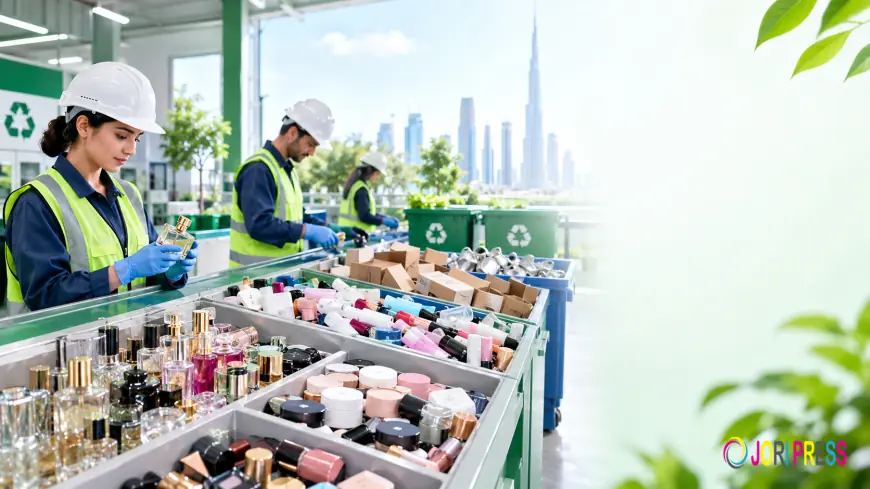
The beauty and personal care industry produces millions of cosmetics and perfume products every year. From foundation bottles and lipstick tubes to perfume containers and skincare jars, these products contribute significantly to packaging waste. When empty or unwanted cosmetics and perfumes are simply thrown into regular waste bins, they can end up in landfills, where packaging materials and chemical residues may create environmental concerns.
Cosmetics and perfumes recycling provides a responsible solution for managing this waste. By recovering recyclable materials, safely handling product residues, and reducing the amount of waste sent to landfills, recycling can support a cleaner and more sustainable future. Businesses and individuals can play an important role by choosing professional recycling services such as Madenat Recycling for responsible waste management.
Why Cosmetics and Perfumes Recycling Matters
Cosmetic and perfume products commonly contain a combination of materials, including glass, plastic, cardboard, metal, and other components. Their packaging may also contain traces of creams, liquids, oils, fragrances, and other substances.
The mixed nature of beauty-product waste can make disposal challenging. However, many of these materials have recycling potential when they are properly separated and processed.
Recycling cosmetics and perfume packaging can help:
- Reduce the amount of waste sent to landfills.
- Recover valuable glass, plastic, metal, and paper materials.
- Reduce the demand for virgin raw materials.
- Support responsible waste-management practices.
- Encourage businesses to adopt more sustainable operations.
- Minimize the environmental impact associated with unnecessary disposal.
Professional recycling companies can assess different types of cosmetic and perfume waste and determine the most appropriate processing method.
What Can Be Recycled?
Not every component of a cosmetic or perfume product can be processed in the same way. The first step is generally to identify and separate the different materials.
Glass perfume bottles are among the most commonly recyclable items. Once properly emptied and prepared, glass can be processed and used to manufacture new glass products.
Plastic cosmetic containers, including certain shampoo bottles, cream jars, lotion containers, and makeup packaging, may also be recyclable depending on their material composition and condition.
Metal components such as aluminum packaging and certain cosmetic containers can often be recovered and recycled.
Cardboard packaging from perfume boxes, cosmetic cartons, and product packaging can generally be directed into paper-recycling streams when it is clean and suitable for processing.
However, pumps, mirrors, applicators, mixed-material packaging, and containers with significant product residue may require additional handling. Professional recycling services can help ensure that these items are managed appropriately.
How the Cosmetics and Perfumes Recycling Process Works
A professional recycling program usually follows several important stages.
1. Collection
The process begins with the collection of unwanted, expired, damaged, or empty cosmetic and perfume products. Businesses such as retailers, beauty salons, hotels, warehouses, distributors, and manufacturers can arrange organized collection services to prevent beauty waste from entering general disposal streams.
2. Sorting and Segregation
Collected materials are sorted according to their composition. Glass, plastic, metal, cardboard, and other materials are separated to improve recovery efficiency.
Proper segregation is essential because different materials require different recycling processes. It can also help prevent contamination within recyclable material streams.
3. Product and Packaging Assessment
Some cosmetic and perfume products may still contain liquids, creams, powders, or fragrances. These residues need to be assessed before packaging is processed. Depending on the material and condition, specialized handling may be required.
4. Material Processing
After sorting and preparation, recyclable materials are sent through suitable recycling processes. Glass can be processed for glass recovery, while appropriate plastics and metals can be processed for material recovery.
The objective is to recover as much usable material as possible while ensuring that unsuitable components are handled responsibly.
5. Responsible Disposal of Non-Recyclable Materials
Some cosmetic and perfume waste cannot be recycled because of contamination, mixed materials, or other limitations. Instead of treating everything as recyclable, a professional waste-management provider can identify unsuitable materials and arrange appropriate disposal methods.
Recycling for Businesses
Businesses that sell, manufacture, distribute, or use cosmetics and perfumes can generate considerable quantities of beauty-related waste. Retailers may have damaged packaging or returned products, while hotels and salons may regularly dispose of partially used or empty personal-care products.
Implementing a recycling program can help businesses improve waste management while demonstrating a commitment to sustainability.
Companies can establish dedicated collection points, separate recyclable packaging, train employees in waste segregation, and work with professional recycling providers.
For organizations handling unwanted electronic devices, storage media, or business equipment alongside their recycling operations, secure information management is equally important. Services related to Certified data destruction in Dubai can help organizations protect sensitive information when disposing of devices such as computers, hard drives, and other data-bearing equipment.
The Role of Madenat Recycling
Madenat Recycling can support organizations looking for more responsible approaches to waste management and recycling. A professional recycling partner can help businesses organize collection, segregation, material recovery, and appropriate disposal according to the nature of their waste.
Working with a dedicated recycling company can also make it easier for businesses to establish consistent waste-management procedures rather than relying on general waste disposal.
For companies with multiple waste streams, an integrated approach can be particularly useful. Cosmetic packaging, recyclable materials, obsolete equipment, and other commercial waste can be assessed separately so that each category receives suitable treatment.
Benefits of Choosing Professional Recycling Services
Professional recycling offers several advantages over simply placing unwanted cosmetics and perfumes in general waste.
Better Material Recovery
Specialized sorting and processing can increase the amount of recyclable material recovered from discarded packaging.
Reduced Environmental Impact
Diverting recyclable materials from landfills can help reduce unnecessary waste and support resource conservation.
Improved Workplace Waste Management
Businesses can create clearer procedures for employees by establishing dedicated collection and recycling systems.
Greater Sustainability
A structured recycling program can become part of a company's broader environmental and sustainability strategy.
Responsible Handling
Professional waste-management providers can identify materials that require special treatment and ensure they are not mixed unnecessarily with standard recyclables.
How Consumers Can Support Cosmetics and Perfumes Recycling
Consumers can also contribute to better beauty-waste management. Before disposing of a cosmetic or perfume product, check whether the packaging can be separated into recyclable components.
Empty containers where appropriate, keep recyclable packaging as clean as possible, and separate glass, plastic, metal, and cardboard when local recycling systems accept these materials.
Consumers can also reduce waste by purchasing products with recyclable or refillable packaging and avoiding unnecessary packaging where possible.
Building a More Sustainable Beauty Industry
The cosmetics and perfume industry has an opportunity to reduce its environmental footprint through better product design, responsible packaging, consumer education, and effective recycling programs.
Recycling alone cannot eliminate all beauty-industry waste, but it is an important part of a broader circular approach. Recovering materials and keeping recyclable resources in productive use can reduce dependence on new raw materials and encourage more responsible consumption.
For businesses, partnering with a professional recycling provider can turn waste management into a more organized and sustainable process.
Conclusion
Cosmetics and perfumes recycling is an increasingly important part of responsible waste management. Glass bottles, plastic containers, metal components, cardboard packaging, and other materials can often be recovered when they are properly separated and processed.
Businesses and consumers can make a meaningful difference by reducing unnecessary waste, separating recyclable materials, and choosing professional recycling services. With the support of companies such as Madenat Recycling, organizations can develop more effective approaches to beauty-product waste and contribute to a cleaner, more resource-efficient future.
Whether the goal is to recycle perfume bottles, manage cosmetic packaging, or develop a broader commercial recycling program, responsible waste management starts with understanding what can be recovered and ensuring that each material reaches the appropriate processing stream.
FAQs
1. What is cosmetics and perfumes recycling?
Cosmetics and perfumes recycling is the process of collecting, sorting, processing, and recovering materials from unwanted beauty products and their packaging. Depending on the product, recyclable materials may include glass, plastic, metal, and cardboard.
2. Can perfume bottles be recycled?
Yes, many perfume bottles are made from glass, which is generally recyclable when properly emptied and prepared. However, caps, pumps, decorative elements, and mixed-material components may need to be separated or handled differently.
3. Why should businesses recycle cosmetic packaging?
Recycling cosmetic packaging can reduce landfill waste, recover valuable materials, conserve resources, and support corporate sustainability objectives. A professional recycling provider can also help businesses establish an organized collection and segregation system.
4. What does Certified data destruction in Dubai have to do with recycling?
Businesses may dispose of both recyclable materials and obsolete electronic equipment. Electronic devices can contain confidential information, so secure Certified data destruction in Dubai services can help ensure sensitive data is properly destroyed before equipment is recycled or disposed of.
5. How can Madenat Recycling help with waste management?
Madenat Recycling can assist businesses with responsible recycling and waste-management practices. Organizations can work with a professional recycling provider to improve collection, sorting, material recovery, and appropriate handling of different waste streams.
What's Your Reaction?
 Like
0
Like
0
 Dislike
0
Dislike
0
 Love
0
Love
0
 Funny
0
Funny
0
 Angry
0
Angry
0
 Sad
0
Sad
0
 Wow
0
Wow
0