



































Concrete Surface Repair Using Guniting
Learn how concrete surface repair using guniting improves strength, durability, and bonding. Explore process, benefits, and applications in structural rehabilitation.

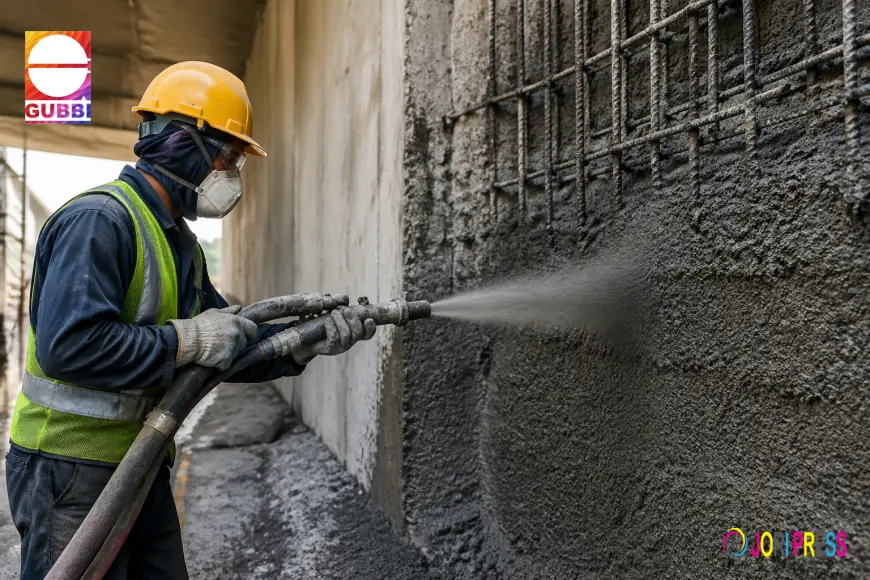
Concrete deterioration is a common challenge in aging structures, especially those exposed to harsh environmental conditions. Guniting, also known as dry-process shotcreting, has emerged as a highly effective solution for restoring damaged concrete surfaces.
What is Guniting in Concrete Repair?
Guniting is a repair technique where a dry mix of cement and sand is pneumatically applied at high velocity onto a prepared concrete surface. Water is added at the nozzle during application, ensuring proper hydration and strong bonding.
This method is widely used in civil engineering for:
- Structural repairs
- Surface strengthening
- Waterproofing treatments
- Rehabilitation of RCC elements
Why Choose Guniting for Concrete Surface Repair?
When it comes to concrete surface repair using guniting, engineers prefer this method for its efficiency and long-term performance.
Key Advantages:
- High Bond Strength: Ensures excellent adhesion to existing concrete
- Dense & Durable Finish: Reduces permeability and resists water ingress
- Minimal Formwork Required: Saves time and labor costs
- Versatile Application: Suitable for vertical, overhead, and irregular surfaces
- Cost-Effective Repair Method: Ideal for large-scale rehabilitation projects
Step-by-Step Process of Guniting Work
A successful guniting application depends on proper surface preparation and skilled execution.
1. Surface Preparation
- Remove loose, damaged, or deteriorated concrete
- Clean surface from dust, oil, and debris
- Roughen surface for better bonding
2. Installation of Reinforcement (if required)
- Fix steel mesh or rebars for structural strengthening
3. Mixing of Materials
- Prepare dry mix (cement + sand) in the required ratio
4. Guniting Application
- Use a guniting machine to spray the mix at high velocity
- Add water at the nozzle for controlled hydration
5. Compaction & Finishing
- High-speed application ensures automatic compaction
- Finish surface as per structural or aesthetic requirements
6. Curing
- Proper curing is essential to achieve maximum strength and durability
Applications of Concrete Surface Repair Using Guniting
Guniting is widely used across various civil engineering projects:
- Repair of RCC beams, columns, and slabs
- Restoration of bridges, tunnels, and dams
- Strengthening of retaining walls and marine structures
- Rehabilitation of industrial floors and water tanks
Guniting vs Shotcreting: What’s the Difference?
While both methods involve spraying concrete, the key difference lies in the process:
| Feature | Guniting (Dry Process) | Shotcreting (Wet Process) |
|---|---|---|
| Mix Type | Dry mix | Wet mix |
| Water Addition | At nozzle | Pre-mixed |
| Control | More operator control | Faster application |
| Use Case | Repairs & thin layers | Large volume applications |
For surface repair and precision work, guniting is often the preferred choice.
When Should You Use Guniting?
You should consider Concrete Surface Repair Using Guniting when:
- Concrete shows cracks, spalling, or surface damage
- Reinforcement is exposed or corroded
- Structural strengthening is required without major demolition
- Waterproofing and durability enhancement are needed
Best Practices for Long-Lasting Results
To achieve optimal results in guniting:
- Ensure proper surface preparation
- Maintain correct water-cement ratio at the nozzle
- Use skilled and experienced applicators
- Follow proper curing methods
- Conduct quality checks during and after application
Conclusion
Concrete Surface Repair Using Guniting is a reliable, efficient, and cost-effective solution for restoring damaged concrete structures. With its superior bonding, durability, and adaptability, guniting continues to be a preferred method among civil engineers for repair and rehabilitation projects.
If you're planning structural repairs, choosing the right technique like guniting can significantly improve performance and extend the lifespan of your structure.
What's Your Reaction?
 Like
0
Like
0
 Dislike
0
Dislike
0
 Love
0
Love
0
 Funny
0
Funny
0
 Angry
0
Angry
0
 Sad
0
Sad
0
 Wow
0
Wow
0