







































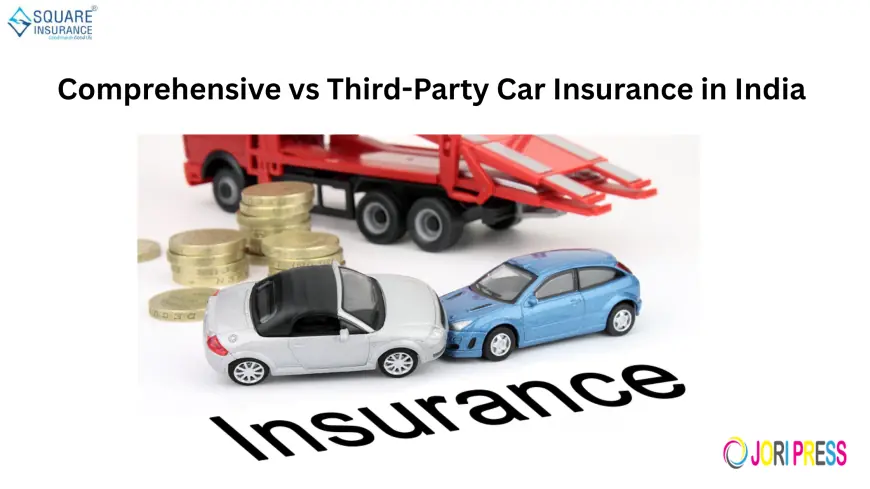
Comprehensive vs Third-Party Car Insurance in India
Compare comprehensive vs third-party car insurance in India. Learn coverage, costs, and benefits to choose the right policy for your car and budget.
Introduction
When it comes to protecting your vehicle, choosing the right car insurance in India can feel overwhelming. Should you go for a comprehensive plan that covers almost everything, or is a third-party policy sufficient to meet legal requirements and keep costs low? Many car owners struggle with this decision, often paying more than necessary or leaving themselves underprotected.
This guide breaks down the differences between comprehensive and third-party car insurance, helping you make an informed choice. By the end, you’ll understand what each policy covers, how much it costs, and which one fits your car, lifestyle, and budget best.
What is Third-Party Car Insurance?
Third-party car insurance is the minimum legal requirement in India under the Motor Vehicles Act. It covers damages caused by your car to another person, vehicle, or property.
Key points:
-
Mandatory for all registered vehicles in India.
-
Covers injury or death of third-party individuals.
-
Covers damage to someone else’s property (other vehicles, buildings, etc.).
-
Does not cover your own car’s damage in an accident.
Example: If your car hits another vehicle, third-party insurance will cover the repair costs of that vehicle but not the damage to your own car.
What is Comprehensive Car Insurance?
Comprehensive car insurance offers fuller protection than third-party insurance. It covers:
-
Third-party liabilities (mandatory by law).
-
Own vehicle damage due to accidents, fire, theft, natural disasters, or man-made calamities.
-
Optional add-ons like zero depreciation, roadside assistance, engine protection, and personal accident cover.
Example: If your car is damaged in a minor collision, a comprehensive plan will cover repair costs. If your car is stolen or damaged by floods, the insurance will also provide coverage, something a third-party plan cannot do.
Coverage Differences Explained
In simple terms: third-party insurance only protects others from your vehicle, while comprehensive insurance protects both others and your own car. Comprehensive plans often include optional add-ons for extra security, while third-party policies are limited to legal minimums.
Cost: Third-party insurance is cheaper but limited, while comprehensive insurance costs more but provides broader protection, reducing potential financial risk.
Example: A new Maruti Swift may have a third-party premium of ₹3,500 per year, while a comprehensive policy with basic add-ons may cost ₹12,000–₹15,000. For older cars, the cost difference is smaller, but comprehensive coverage still protects against unexpected repairs.
Advantages of Third-Party Car Insurance
-
Low Premiums: Ideal for budget-conscious car owners.
-
Legal Compliance: Meets the minimum requirements of Indian law.
-
Easy to Purchase: Fewer formalities and add-ons.
Scenario: If you own an old car worth ₹1–2 lakhs, paying for a comprehensive plan may not make financial sense. A third-party policy keeps you covered legally while keeping costs low.
Advantages of Comprehensive Car Insurance
-
Covers Your Vehicle Too: Accidents, theft, fire, natural disasters.
-
Optional Add-Ons: Extra coverage for depreciation, roadside assistance, or engine damage.
-
Peace of Mind: You don’t have to worry about unexpected repair costs.
-
No-Claim Bonus: Can reduce premium on renewal if no claims are made.
Scenario: A new SUV in a flood-prone city benefits greatly from a comprehensive plan. Even a minor water-related repair could cost tens of thousands. Comprehensive coverage ensures these costs are managed.
When to Choose Third-Party Insurance
Third-party insurance may be suitable if:
-
Your car is old or has low market value.
-
You’re looking to save on annual premiums.
-
Legal compliance is your main concern, and you can manage minor repairs yourself.
When to Choose Comprehensive Insurance
Comprehensive insurance makes sense if:
-
Your car is new, expensive, or financed.
-
You want protection against accidents, theft, fire, or natural disasters.
-
You prefer peace of mind and minimal out-of-pocket expenses.
-
You want optional add-ons for broader coverage.
Example: Priya bought a brand-new hatchback and added zero-depreciation cover with her comprehensive policy. A small accident caused minor damages, but her out-of-pocket expense was just the deductible, saving her thousands.
Practical Tips for Choosing the Right Policy
-
Evaluate Your Car’s Value: New or high-value cars benefit more from comprehensive coverage.
-
Check Your Budget: Third-party insurance saves money upfront, but may cost more later in repairs.
-
Consider Your Location: Areas prone to flooding, theft, or accidents may need comprehensive coverage.
-
Review Add-Ons Carefully: Only choose add-ons that provide real value.
-
Compare Insurers: Look at claims settlement ratios, customer reviews, and premium costs.
Conclusion
Choosing between comprehensive and third-party car insurance ultimately depends on your car’s value, your budget, and how much protection you want. While third-party insurance keeps you legally compliant at a lower cost, comprehensive insurance with Square insurance offers wider coverage for accidents, theft, fire, and natural disasters. Assess your needs carefully, consider optional add-ons, and pick a policy that gives you peace of mind. The right choice with Square Insurance ensures your car, finances, and safety are well protected on Indian roads.
Frequently Asked Questions
1. Is third-party insurance enough for my car in India?
It meets legal requirements but only covers damage to others. Your car won’t be covered in accidents, theft, or natural disasters.
2. Can I switch from third-party to comprehensive later?
Yes, you can upgrade anytime. The insurer may adjust the premium based on your car’s age and condition.
3. Does comprehensive insurance cover natural disasters?
Yes. Floods, earthquakes, storms, and fire damage are usually covered. Optional add-ons may extend coverage further.
4. Why is comprehensive insurance more expensive?
Because it covers both third-party liabilities and your own vehicle, reducing your financial risk significantly.
5. Are add-ons necessary with comprehensive insurance?
Not always. Choose add-ons based on your car’s age, value, and location. Some add-ons, like zero depreciation, are more valuable for new cars.
What's Your Reaction?
 Like
0
Like
0
 Dislike
0
Dislike
0
 Love
0
Love
0
 Funny
0
Funny
0
 Angry
0
Angry
0
 Sad
0
Sad
0
 Wow
0
Wow
0