







































Common Hydraulic Sealing Components Explained
Hydraulic seals are components used in hydraulic systems to prevent fluid leakage between stationary or moving surfaces.

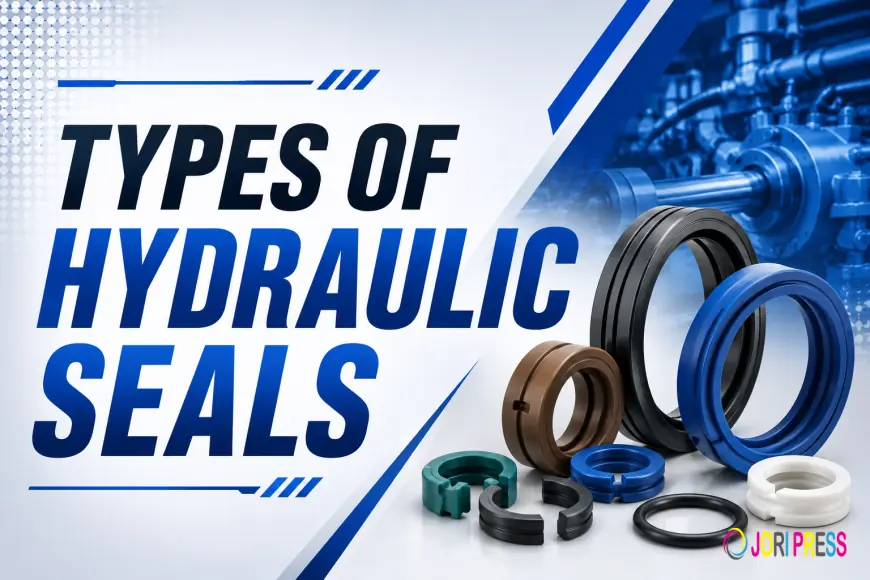
Hydraulic systems are widely used in industrial machinery, construction equipment, agricultural machines, manufacturing equipment, and many other applications where controlled movement and high force are required. These systems depend on hydraulic fluid under pressure to transfer power from one component to another. To maintain this pressure and prevent fluid leakage, reliable sealing components are essential.
There are several types of hydraulic seals, and each type performs a specific function within a hydraulic cylinder or system. Piston seals, rod seals, wiper seals, and other sealing components work together to control hydraulic fluid, prevent contamination, and support smooth equipment operation.
Choosing the correct hydraulic seal depends on several factors, including pressure, temperature, fluid type, movement, dimensions, and the working environment. Understanding the different types can help equipment manufacturers and maintenance teams select suitable sealing solutions.
What Are Hydraulic Seals?
Hydraulic seals are components used in hydraulic systems to prevent fluid leakage between stationary or moving surfaces. They create a barrier that helps contain hydraulic fluid while allowing components such as pistons and rods to move as required.
A hydraulic cylinder typically contains several sealing components. The piston seal helps prevent fluid from passing around the piston, while the rod seal prevents fluid from escaping around the piston rod. A wiper seal provides protection against dust, dirt, moisture, and other external contaminants.
The correct combination of hydraulic seals helps maintain pressure, improve cylinder performance, reduce leakage, and protect internal components.
Why Are Hydraulic Seals Important?
Hydraulic systems operate under pressure, and even a small amount of leakage can affect equipment performance. A damaged or incorrectly selected seal can result in pressure loss, fluid leakage, increased friction, contamination, and premature component wear.
A suitable hydraulic sealing solution helps maintain the separation between hydraulic fluid and the external environment. It also allows moving components to operate while minimizing unnecessary friction and wear.
Reliable seals can contribute to:
- Maintaining hydraulic pressure
- Preventing fluid leakage
- Reducing contamination
- Supporting smooth movement
- Minimizing component wear
- Improving equipment reliability
- Reducing maintenance requirements
- Supporting longer service life
For this reason, selecting the right seal should be considered an important part of hydraulic equipment design and maintenance.
1. Hydraulic Piston Seals
A hydraulic piston seal is installed around the piston inside a hydraulic cylinder. Its main function is to prevent hydraulic fluid from passing between the piston and the cylinder wall.
When pressurized hydraulic fluid pushes against the piston, the piston seal helps maintain pressure on the appropriate side of the cylinder. This allows the hydraulic cylinder to produce controlled linear movement.
Piston seals may be designed for different pressure levels, movement conditions, and hydraulic fluids. The material and design should be selected according to the application.
Different piston seal designs can include compact piston seals, polyurethane piston seals, NBR-based designs, and double-acting configurations.
2. Hydraulic Rod Seals
A hydraulic rod seal is positioned around the piston rod where it passes through the cylinder head. Its primary purpose is to prevent hydraulic fluid from escaping from the cylinder during rod movement.
Because the piston rod moves repeatedly, the rod seal experiences continuous dynamic movement. It therefore needs to maintain an effective sealing interface while allowing the rod to move smoothly.
Rod seals are used in many hydraulic cylinders found in industrial machinery, construction equipment, agricultural machinery, and other applications.
The correct rod seal depends on factors such as rod diameter, pressure, temperature, speed, fluid compatibility, and cylinder design.
3. Wiper or Dust Seals
Wiper seals, also called dust seals, perform a different function from piston and rod seals. Instead of primarily preventing internal fluid leakage, they help stop external contaminants from entering the hydraulic cylinder.
As the piston rod retracts, the wiper seal contacts the rod surface and helps remove dirt, dust, moisture, and other contaminants.
A hydraulic wiper seal is particularly useful in equipment operating in outdoor or dusty environments. Construction machinery, agricultural equipment, mining equipment, and industrial machines can all encounter contamination that may affect internal cylinder components.
Using an appropriate wiper seal can help protect the internal sealing system and reduce the risk of premature wear.
4. PTFE Rod and Step Seals
PTFE is widely used in sealing applications because of its low-friction characteristics and resistance to many chemicals. PTFE rod seals and step seals can be used in applications where reduced friction and suitable chemical resistance are important.
PTFE-based sealing components can be suitable for demanding hydraulic applications, depending on pressure, temperature, fluid, and movement requirements.
Step seals generally use a sealing element combined with an energizing component to maintain contact with the sealing surface.
When selecting PTFE sealing products, engineers should evaluate the complete operating environment rather than choosing a material based on one property alone.
5. Compact Piston Seals
Compact piston seals are designed for applications where available installation space is limited. Hydraulic cylinder designs can vary considerably, and some equipment requires a sealing solution that occupies less space.
A compact piston seal can provide a practical option for these applications while maintaining the necessary sealing function.
When selecting compact sealing components, engineers should check piston dimensions, groove dimensions, operating pressure, temperature, hydraulic fluid, and movement conditions.
Correct installation is also important because improper fitting can result in deformation, leakage, or premature wear.
Factors to Consider When Selecting Hydraulic Seals
Selecting the correct seal requires an understanding of the actual operating conditions.
Pressure
The operating pressure of the hydraulic cylinder should be considered before choosing a seal. High-pressure applications may require specially designed sealing profiles and materials.
Temperature
Temperature can affect the physical properties of sealing materials. Both minimum and maximum operating temperatures should be considered.
Hydraulic Fluid
Fluid compatibility is another important factor. Different hydraulic fluids can interact differently with sealing materials, so the material should be suitable for the fluid being used.
Movement
Hydraulic cylinders normally involve reciprocating movement. Seal selection should therefore account for the speed, frequency, and type of movement.
Dimensions
Seal dimensions must match the piston, rod, cylinder bore, and groove. An incorrect fit can cause leakage or excessive friction.
Operating Environment
Dust, moisture, chemicals, dirt, and other environmental factors can influence seal performance. In contaminated environments, suitable wiper protection becomes particularly important.
Common Applications of Hydraulic Seals
The different types of hydraulic seals are used across a wide range of industries.
Construction Equipment
Excavators, loaders, cranes, and other construction machinery rely heavily on hydraulic cylinders. These machines often operate under high loads and in environments containing dust and dirt.
Industrial Machinery
Manufacturing equipment uses hydraulic systems for pressing, lifting, positioning, clamping, and controlled movement.
Agricultural Machinery
Tractors and agricultural equipment use hydraulic systems for implements, lifting mechanisms, and other operations.
Material Handling Equipment
Hydraulic cylinders are commonly found in lifting and material-handling machinery where controlled movement is required.
Manufacturing Systems
Hydraulic presses, automated machinery, and production equipment may require different hydraulic seal types depending on pressure, movement, and operating conditions.
Hydraulic Seal Maintenance
Proper maintenance can help extend the service life of sealing components. Hydraulic cylinders should be inspected regularly for visible leakage, excessive wear, cracks, deformation, and other signs of damage.
The area around the cylinder should also be kept clean where possible. Contamination can damage sealing surfaces and affect internal components.
During seal replacement, technicians should use suitable tools and avoid scratching the cylinder, piston, rod, or sealing groove. Incorrect installation can cause a new seal to fail prematurely.
If repeated leakage occurs, simply replacing the seal may not solve the underlying problem. The cylinder surface, piston, rod, alignment, pressure, temperature, and operating conditions should also be examined.
Conclusion
Understanding the different types of hydraulic seals is important for maintaining reliable hydraulic equipment. Piston seals help maintain pressure around the piston, rod seals control fluid leakage around the piston rod, and wiper seals help prevent external contaminants from entering the cylinder.
PTFE rod and step seals can provide options for applications requiring low friction and suitable chemical resistance, while compact piston seals can be useful where installation space is restricted.
The correct hydraulic seal should always be selected according to the actual application. Pressure, temperature, hydraulic fluid, movement, dimensions, and environmental conditions all influence seal performance.
With appropriate product selection, correct installation, and regular maintenance, hydraulic sealing components can help reduce leakage, protect equipment, improve operating reliability, and support longer service life.
What's Your Reaction?
 Like
0
Like
0
 Dislike
0
Dislike
0
 Love
0
Love
0
 Funny
0
Funny
0
 Angry
0
Angry
0
 Sad
0
Sad
0
 Wow
0
Wow
0