






































CNC Thread Milling: Carbide vs HSS – Which One Lasts Longer?
Discover whether carbide or HSS thread mill tools last longer in CNC machining. Compare durability, cost, and performance to choose the best option.
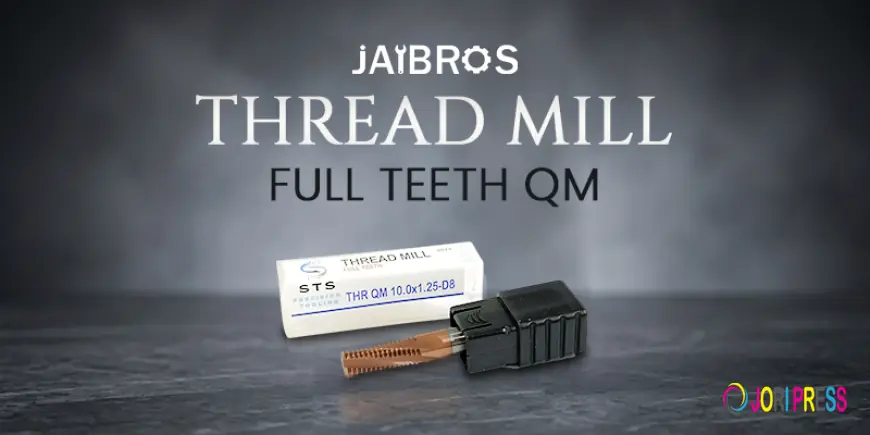
CNC Thread Milling: Carbide vs HSS – Which Thread Mill Lasts Longer?
In today’s competitive manufacturing world, tool life is one of the most critical factors in achieving efficiency and reducing costs. When it comes to threading operations in CNC machining, professionals often debate between carbide and HSS tools. The biggest question remains: which one truly lasts longer?
If you're working with modern cnc tools, choosing the right material for your threading operations can significantly impact productivity, surface finish, and overall machining cost.
What is CNC Thread Milling?
CNC thread mill is a process used to create internal or external threads using a rotating cutting tool that follows a helical path. Unlike tapping, which requires a dedicated tool for each thread size, a thread milling cutter offers flexibility and precision.
A thread mill is widely used in CNC machining because it allows for better control over thread dimensions and reduces the risk of tool breakage, especially in high-value components.
Understanding Tool Materials: Carbide vs HSS
Before comparing durability, it's important to understand what these materials are made of.
Carbide Tools
Carbide tools are composed of tungsten carbide particles bonded with cobalt. These tools are extremely hard and wear-resistant, making them ideal for high-speed machining and tough materials.
HSS (High-Speed Steel) Tools
HSS tools are made from alloy steel designed to withstand high temperatures. They are tougher and less brittle than carbide, which makes them more forgiving in unstable machining conditions.
Tool Life: Which One Lasts Longer?
When discussing longevity, carbide clearly has an edge over HSS in most CNC applications.
A carbide thread mill can last significantly longer due to its superior hardness and resistance to wear. It maintains its cutting edge even under high temperatures and speeds, which are common in CNC environments.
On the other hand, HSS tools wear out faster, especially when exposed to high heat or when used on hard materials. While they are durable in low-speed applications, they cannot match carbide in demanding conditions.
Factors That Affect Tool Life
Tool life is not determined by material alone. Several factors influence how long your thread mill tool will last:
1. Cutting Speed
Carbide tools can operate at much higher speeds without losing hardness, which contributes to longer life. HSS tools require slower speeds, limiting productivity.
2. Workpiece Material
Carbide performs exceptionally well on hard materials like stainless steel and titanium. HSS is better suited for softer materials like aluminium and mild steel.
3. Cooling and Lubrication
Proper coolant usage can extend tool life for both materials. However, carbide tools are more resistant to heat even with minimal cooling.
4. Machine Stability
HSS tools are more forgiving in machines with vibration or less rigidity. Carbide, being brittle, requires a stable thread milling machine tool setup.
Performance Comparison in CNC Machining
Speed and Efficiency
Carbide tools allow faster machining, reducing cycle time. This is a major advantage in production environments using advanced cnc tools.
Wear Resistance
Carbide offers superior wear resistance, which directly translates to longer tool life and consistent performance.
Flexibility
HSS tools are more flexible and resistant to chipping, making them suitable for less rigid setups.
Surface Finish
Carbide tools produce better surface finishes due to their ability to maintain sharp edges for longer durations.
Cost vs Durability
At first glance, HSS tools seem more economical due to their lower price. However, frequent replacements can increase overall costs.
Carbide tools, although expensive initially, provide better value over time because they last longer and reduce downtime. For high-volume production, carbide is often the more cost-effective choice.
Advantages of Carbide Thread Milling
-
Longer tool life
-
Higher cutting speeds
-
Better surface finish
-
Suitable for hard materials
-
Reduced downtime
Using a carbide thread mill in CNC operations ensures consistent performance and improved productivity.
Advantages of HSS Thread Milling
-
Lower initial cost
-
Better toughness and flexibility
-
Ideal for low-speed operations
-
Easier to resharpen
-
Suitable for softer materials
HSS remains a good option for workshops that use basic thread mill tools and operate under less demanding conditions.
When Does Carbide Last Significantly Longer?
Carbide tools outperform HSS in the following scenarios:
-
High-speed CNC machining
-
Hard or abrasive materials
-
Large-scale production
-
Precision-critical applications
In these cases, a carbide thread mill can last multiple times longer than an HSS tool.
When Is HSS a Better Choice?
Despite a shorter lifespan, HSS tools are still useful when:
-
The budget is limited
-
Machining softer materials
-
Working with old machines
-
Operating at low speeds
In such setups, HSS paired with a reliable thread milling machine tool can deliver satisfactory results.
Real-World Example
Imagine a CNC workshop producing threaded components in stainless steel. Using HSS tools may require frequent replacements, increasing downtime and cost.
Switching to carbide tools can significantly extend tool life, reduce interruptions, and improve overall efficiency. This is why most modern CNC setups prefer carbide-based thread milling cutter solutions.
How to Maximize Tool Life
Regardless of the material, you can extend the life of your thread mill tool by following these best practices:
-
Use proper cutting parameters
-
Ensure machine stability
-
Apply adequate coolant
-
Avoid excessive tool load
-
Regularly inspect tools for wear
These steps can help you get the most out of both carbide and HSS tools.
Final Verdict: Which One Lasts Longer?
In most CNC machining applications, carbide clearly lasts longer than HSS. Its ability to withstand high speeds, resist wear, and maintain cutting performance makes it the preferred choice for professionals.
However, HSS still has its place in specific scenarios where flexibility, cost, and machine conditions are key considerations.
So, while carbide wins in durability, the best choice ultimately depends on your application, budget, and machining environment.
Conclusion: Choose Smart with JAIBROS
Selecting the right tool is essential for achieving efficiency and precision in CNC machining. Whether you choose carbide or HSS, the quality of the tool also plays a crucial role.
JAIBROS is a trusted name in the industry, offering a wide range of high-quality thread mill tools, thread milling cutters, and advanced cnc tools designed for performance and durability.
If you're looking for reliable solutions that deliver long-lasting results, Jaibros provides tools that meet the demands of modern machining. Investing in the right tools from a trusted supplier ensures better productivity, reduced downtime, and consistent quality in every operation.
FAQs
1. Which lasts longer: carbide or HSS thread mills?
Carbide tools generally last longer due to their higher hardness and wear resistance, especially in high-speed CNC operations.
2. Are carbide thread mills worth the cost?
Yes, carbide tools offer better long-term value due to their durability, reduced downtime, and higher productivity.
3. Can HSS tools be used in CNC machines?
Yes, HSS tools can be used in CNC machines, but they perform best at lower speeds and in less demanding applications
4. What materials are best for carbide tools?
Carbide tools are ideal for hard materials like stainless steel, titanium, and alloys.
5. How can I increase the life of my thread mill tools?
Use proper cutting speeds, ensure machine stability, apply coolant, and regularly inspect tools for wear.
What's Your Reaction?
 Like
0
Like
0
 Dislike
0
Dislike
0
 Love
0
Love
0
 Funny
0
Funny
0
 Angry
0
Angry
0
 Sad
0
Sad
0
 Wow
0
Wow
0