

































Beverage Packaging and Hand Stretch Film in Modern Distribution


The beverage industry relies on efficient packaging systems to protect products, maintain freshness, and support high-volume distribution. From bottled water and juices to soft drinks and specialty beverages, these products must travel safely from manufacturing facilities to warehouses, retailers, and consumers. Packaging plays a critical role in preserving product quality while ensuring that shipments move smoothly through the supply chain.
Two important elements that support beverage logistics are beverage packaging and hand stretch film. Beverage packaging protects the liquid product itself, while stretch film stabilizes shipments during transportation and storage. When these two packaging systems work together, manufacturers and distributors can maintain product integrity while improving operational efficiency.
As beverage demand continues to grow, companies must rely on dependable packaging solutions that protect products while supporting large-scale distribution networks. Well-designed packaging helps reduce damage, prevent leaks, and ensure beverages reach consumers in excellent condition.
The Role of Beverage Packaging
Beverage packaging serves as the primary protective container for liquid products. It must keep beverages sealed, maintain flavor and freshness, and withstand the conditions of transportation and storage. Beverage containers must also remain durable enough to handle pressure changes, stacking weight, and movement throughout the distribution process.
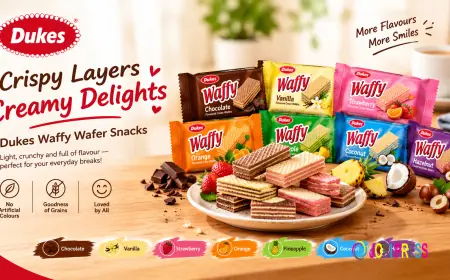
Manufacturers use several types of packaging materials depending on the beverage and the brand’s requirements. Plastic bottles are widely used for water, juices, and sports drinks because they are lightweight, durable, and easy to transport. Aluminum cans are common for carbonated beverages and energy drinks because they provide strong protection and help maintain carbonation.
Glass bottles remain popular for premium beverages and specialty drinks because they preserve flavor and offer an upscale presentation. Carton packaging is often used for dairy products and plant-based beverages, providing both protection and efficient storage.
Regardless of the container type, beverage packaging must prevent leaks and contamination while maintaining the beverage’s taste and quality. The packaging also needs to be compatible with high-speed production lines where containers are filled, sealed, labeled, and packed quickly.
Effective beverage packaging therefore protects the product while supporting the efficiency of the manufacturing process.
Secondary Packaging for Beverage Distribution
Once beverages are filled and sealed in their primary containers, they are typically grouped into larger units for transportation. Secondary packaging allows manufacturers and distributors to move large quantities of beverages efficiently through warehouses and distribution networks.
Bottles and cans are commonly packed into cartons, trays, or shrink-wrapped bundles. These groupings make it easier to handle products during shipping and storage. Secondary packaging also protects individual containers from damage during transportation.
After beverages are grouped into cartons or trays, the units are stacked onto pallets. Palletization allows warehouses and logistics providers to move large volumes of products quickly using forklifts or pallet jacks.
Stable pallet loads are essential for preventing damage and maintaining organization during transportation. This is where stretch film becomes an important part of the packaging system.
Hand Stretch Film and Load Stability
Hand stretch film plays a key role in stabilizing palletized beverage shipments. The film is wrapped tightly around cartons or trays stacked on a pallet, creating tension that holds the entire load together. This containment prevents products from shifting during transportation and handling.
Workers typically apply hand stretch film manually using handheld rolls of plastic film. They walk around the pallet and wrap the film around the load several times to secure the cartons in place. The film stretches as it is applied, which allows it to cling tightly to the load.
Hand wrapping is a flexible and cost-effective solution for many beverage distribution environments. Facilities with moderate packaging volumes often rely on manual wrapping because it requires minimal equipment and allows workers to secure loads quickly.
Stretch film also helps protect palletized shipments from dust, dirt, and minor environmental exposure. The transparent film allows labels and product information to remain visible while providing an additional layer of protection.
By stabilizing pallet loads, hand stretch film helps prevent cartons from collapsing or shifting during transportation.
Improving Warehouse Efficiency
Efficient packaging systems allow beverage manufacturers and distributors to move products quickly through warehouses and shipping facilities. When cartons are properly palletized and wrapped, workers can transport large volumes of beverages safely and efficiently.
Hand stretch film contributes to warehouse productivity by keeping pallet loads stable. Workers can move wrapped pallets confidently using forklifts without worrying about shifting cartons or falling cases.
Stable pallets also allow warehouses to maximize storage space. When cartons remain tightly secured, pallets can be stacked more effectively, improving overall warehouse organization.
Packaging efficiency becomes especially important during peak demand periods when beverage companies must move large quantities of products quickly. Reliable stretch wrapping helps ensure that shipments remain stable and ready for transport.
Protecting Beverages During Transportation
Transportation introduces many challenges for beverage shipments. Trucks traveling long distances may encounter vibrations, sudden stops, and road conditions that could cause pallet loads to shift.
If cartons move or collapse during transportation, bottles or cans may become damaged or leak. Hand stretch film helps prevent these issues by securing the entire pallet load into a single stable unit.
In addition to stabilizing cartons, stretch film also protects shipments from external debris during transportation. The film acts as a barrier that keeps cartons clean and organized while they travel through distribution networks.
Reliable pallet wrapping therefore plays an important role in protecting beverages during shipping and ensuring products arrive safely at their destination.
Food Safety and Hygiene Considerations
Beverage manufacturers must maintain strict hygiene standards throughout production and distribution. Packaging materials must meet safety requirements and remain suitable for use in food and beverage environments.
Stretch film used in beverage distribution is typically designed to meet industry standards for cleanliness and safety. Proper wrapping practices help maintain sanitary conditions by reducing exposure to dust and contaminants during storage and transportation.
Clear labeling and traceability are also essential in beverage packaging systems. Labels provide information about ingredients, expiration dates, and batch numbers while allowing distributors to track shipments throughout the supply chain.
Maintaining strong hygiene and traceability standards helps ensure that beverages remain safe and compliant with industry regulations.
Sustainability in Beverage Packaging
Sustainability has become an important priority for many beverage companies. Manufacturers are exploring ways to reduce packaging waste while maintaining strong product protection.
Recyclable packaging materials such as aluminum cans, glass bottles, and certain plastic containers are widely used in the beverage industry. These materials can be processed and reused, helping reduce environmental impact.
Stretch film manufacturers have also developed thinner films that provide strong load containment while using less plastic. These films help reduce material usage without compromising packaging performance.
Many companies are also exploring reusable packaging systems and lightweight packaging designs that reduce transportation emissions.
Sustainable packaging strategies allow beverage manufacturers to balance environmental responsibility with reliable product protection.
The Future of Beverage Packaging and Stretch Film
As beverage production and distribution continue to expand, packaging systems will continue evolving to support efficiency and sustainability. New materials and technologies will likely improve both product protection and environmental performance.
Automation may also play a greater role in pallet wrapping operations. While hand stretch film remains common in many facilities, automated wrapping equipment can help large operations improve speed and consistency.
Advances in packaging materials will also help manufacturers reduce waste while maintaining durability. Engineers continue developing films and containers that offer stronger protection with fewer resources.
Despite these innovations, the core purpose of packaging will remain the same. Beverage packaging must protect the product, maintain freshness, and support safe transportation through the supply chain.
By combining effective beverage packaging with reliable hand stretch film practices, manufacturers and distributors can ensure that beverages travel safely from production facilities to store shelves while maintaining quality and efficiency at every stage of the journey.
What's Your Reaction?
 Like
0
Like
0
 Dislike
0
Dislike
0
 Love
0
Love
0
 Funny
0
Funny
0
 Angry
0
Angry
0
 Sad
0
Sad
0
 Wow
0
Wow
0