







































Anchor Systems Explained: How Metal Buildings Stay Secure

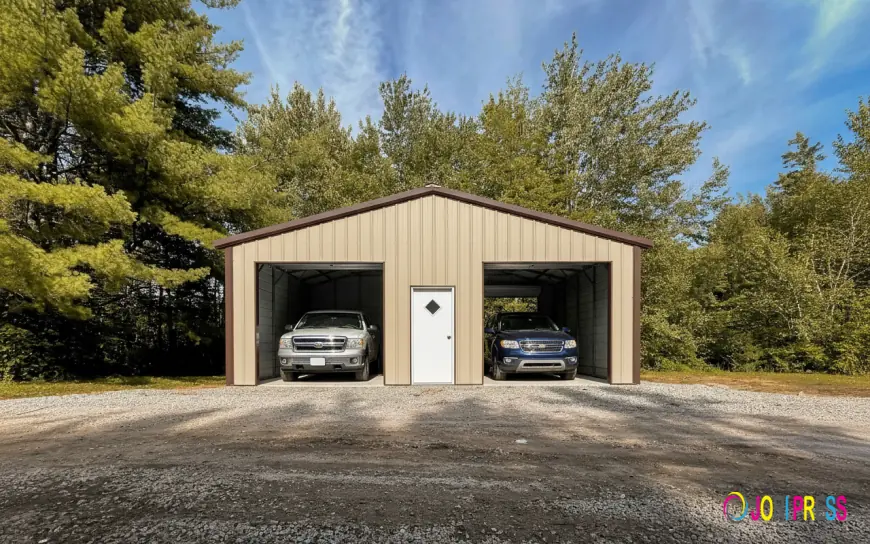
When you look at a metal building, it may seem simple from the outside. Steel panels, strong frames, and a solid structure. But what actually keeps that entire building firmly in place?
The answer lies in something most people never notice. Anchor systems.
These systems are the hidden foundation that holds metal buildings down, keeping them stable against wind, weight, and movement. In this blog, we will break down how anchor systems work, why they matter, and what makes them strong and reliable.
What Are Anchor Systems in Metal Buildings
Anchor systems are the components that connect a metal building to its foundation. They transfer forces from the structure into the ground, keeping everything stable.
Without proper anchoring, even a strong steel building can shift, tilt, or in extreme cases, lift off under pressure. So while steel provides strength, anchors provide stability.
Think of anchors as the grip between the building and the earth. The stronger the grip, the safer the structure.
Why Anchor Systems Are Critical for Structural Stability
Anchor systems are not just a technical detail. They are a safety requirement. Every metal building depends on anchors to resist external forces that try to move it.
These forces are always present, even if you do not notice them daily. Let’s break down the key ones.
1. Wind Uplift Forces
When strong wind flows over a building, it creates a lifting effect, similar to how an airplane wing works. This upward force tries to pull the building away from the ground.
Anchor systems counter this by holding the structure firmly to the foundation. Without proper anchoring, roofs and entire structures can fail during storms.
2. Lateral Forces
Wind and seismic activity create sideways pressure on buildings. This is known as lateral force.
Anchors help resist this sideways movement by keeping the base of the structure fixed. This prevents sliding or structural imbalance.
3. Dead Load and Live Load Stability
Dead load refers to the weight of the building itself, while live load includes temporary weight like equipment or snow.
Anchor systems help distribute these loads safely into the foundation, ensuring the structure remains balanced and stable over time.
Main Components of a Metal Building Anchor System
An anchor system is not just one part. It is a combination of components working together to secure the structure.
Understanding these parts helps you see how the system functions as a whole.
1. Anchor Bolts
Anchor bolts are the primary connectors between the steel frame and the foundation. They are embedded into concrete and extend upward to attach to the building frame.
They are designed to handle tension and shear forces. The size, type, and spacing of these bolts play a major role in overall stability.
2. Base Plates
Base plates sit between the steel columns and the foundation. They distribute the load from the building into the anchor bolts and concrete.
A well-designed base plate ensures that forces are evenly spread, reducing stress on individual anchors.
3. Washers and Nuts
These may seem like small components, but they are essential for securing the connection. They tighten the steel frame onto the anchor bolts and keep everything locked in place.
Proper tightening ensures that there is no looseness or movement over time.
4. Grout Layer
Grout is placed between the base plate and foundation to create a smooth and level surface. It also helps transfer loads evenly. This layer prevents gaps that could weaken the connection or cause uneven stress distribution.
Types of Anchor Systems Used in Metal Buildings
Different projects require different anchoring methods. The choice depends on soil conditions, building size, and expected loads.
Here are the most commonly used anchor systems.
1. Cast-in-Place Anchor Bolts
These bolts are installed before the concrete is poured. They are positioned accurately and become part of the foundation once the concrete hardens.
This method provides strong and reliable anchoring. It is widely used in permanent metal building installations.
2. Post-Installed Anchor Bolts
These anchors are installed after the concrete has cured. Holes are drilled into the foundation, and bolts are fixed using mechanical expansion or chemical adhesives.
This method is useful for retrofitting or when changes are needed after construction.
3. Expansion Anchors
Expansion anchors work by expanding inside the drilled hole, creating a tight grip against the concrete.
They are commonly used in lighter structures or secondary anchoring applications.
4. Chemical Anchors
Chemical anchors use adhesive materials to bond the bolt with the concrete. This creates a strong connection without relying on expansion pressure. They are ideal for high-load applications and situations where precision is required.
How Anchor Systems Are Designed
Anchor system design is not random. It is based on engineering calculations that consider multiple factors. Each building requires a tailored approach to ensure safety and performance.
1. Load Calculations
Engineers calculate all forces acting on the building, including wind, weight, and environmental loads. These calculations determine the size, number, and placement of anchor bolts.
2. Soil and Foundation Conditions
The strength of the soil and foundation plays a big role. Weak soil may require stronger anchoring systems or deeper foundations.
A strong anchor system is only as good as the foundation it is attached to.
3. Building Size and Usage
Larger buildings or those used for heavy operations need stronger anchoring systems. For example, a warehouse will require more robust anchoring compared to a small storage shed.
Anchor Bolt Spacing and Placement
Spacing and placement of anchor bolts are critical for stability. Even strong bolts can fail if they are not positioned correctly.
Engineers follow specific guidelines to ensure even load distribution.
Even Distribution of Forces
Anchor bolts are placed at calculated intervals to spread forces across the foundation. This prevents stress concentration, which can lead to cracks or failures.
Edge Distance and Depth
Bolts must be placed at a safe distance from the edges of the concrete to prevent breaking. The depth of embedment also matters. Deeper anchors provide stronger resistance against pull-out forces.
Common Mistakes in Metal Building Anchoring
Even small mistakes in anchoring can lead to serious issues over time. Understanding these mistakes helps avoid costly problems.
1. Incorrect Bolt Alignment
If anchor bolts are not aligned properly, it becomes difficult to install the steel frame correctly. This can lead to structural stress and improper load transfer.
2. Poor Installation Practices
Improper drilling, insufficient tightening, or incorrect adhesive use can weaken the anchor system. Quality installation is just as important as design.
3. Ignoring Environmental Factors
Factors like soil movement, water exposure, and temperature changes can affect anchoring. Failing to consider these can reduce long-term performance.
How Anchor Systems Improve Building Longevity
A strong anchor system does much more than just keep a metal building in place. It directly impacts how long the structure lasts and how well it performs over time. When a building is properly anchored, it can handle daily stress, weather changes, and long-term wear without weakening.
In simple terms, good anchoring protects your investment by keeping the structure stable, balanced, and reliable for years.
Reduced Structural Movement
Proper anchoring minimizes unwanted movement like shifting, tilting, or vibration. Even small movements over time can weaken joints, loosen connections, and create cracks in the structure.
By keeping the building firmly fixed to the foundation, anchor systems prevent this gradual damage. This helps maintain structural integrity and reduces the need for frequent repairs.
Better Load Transfer
A well-designed anchor system ensures that all forces acting on the building are safely transferred into the foundation. This includes weight from the structure itself, wind pressure, and other external loads.
When loads are distributed evenly, no single component is overloaded. This reduces stress on columns, joints, and panels, which increases the overall durability of the building.
Increased Safety
A secure building is a safe building, especially in areas exposed to strong winds or harsh weather. Anchor systems play a key role in preventing structural failure during extreme conditions.
They hold the building firmly in place, reducing the risk of collapse, uplift, or sliding. This not only protects the structure but also ensures the safety of people and equipment inside.
Choosing the Right Anchor System for Your Metal Building
Selecting the right anchor system is not just a technical step, it is a critical decision that affects safety, performance, and long-term value. Every building is different, so the anchoring solution must be tailored to its specific needs.
A well-chosen anchor system ensures that the structure can handle real-world conditions without issues.
Consider the Purpose of the Building
The intended use of the building plays a major role in deciding the anchor system. A small storage unit does not require the same level of anchoring as a large warehouse or industrial facility.
Buildings that handle heavy equipment, high traffic, or sensitive operations need stronger and more reliable anchoring to ensure stability under load.
Evaluate Site Conditions
Site conditions are just as important as the building itself. Soil strength, moisture levels, and climate all influence how anchors perform.
For example, loose or weak soil may require deeper or more reinforced anchoring. Areas with strong winds or seismic activity also demand more robust systems to handle additional forces.
Work with Professionals
Anchor system design involves calculations, standards, and safety considerations that require expert knowledge. Working with engineers and experienced contractors ensures that nothing is overlooked.
Professionals can assess all variables and recommend the right type, size, and placement of anchors. This reduces risks and ensures that the building meets safety and compliance requirements.
Final Thoughts
Anchor systems may not be visible, but they are one of the most important parts of a metal building.
They hold everything together, resist powerful forces, and ensure long-term stability. Without them, even the strongest steel structure cannot perform as expected.
If you are planning a metal building, do not overlook anchoring. It is not just a technical detail. It is the foundation of safety, performance, and durability.
What's Your Reaction?
 Like
0
Like
0
 Dislike
0
Dislike
0
 Love
0
Love
0
 Funny
0
Funny
0
 Angry
0
Angry
0
 Sad
0
Sad
0
 Wow
0
Wow
0