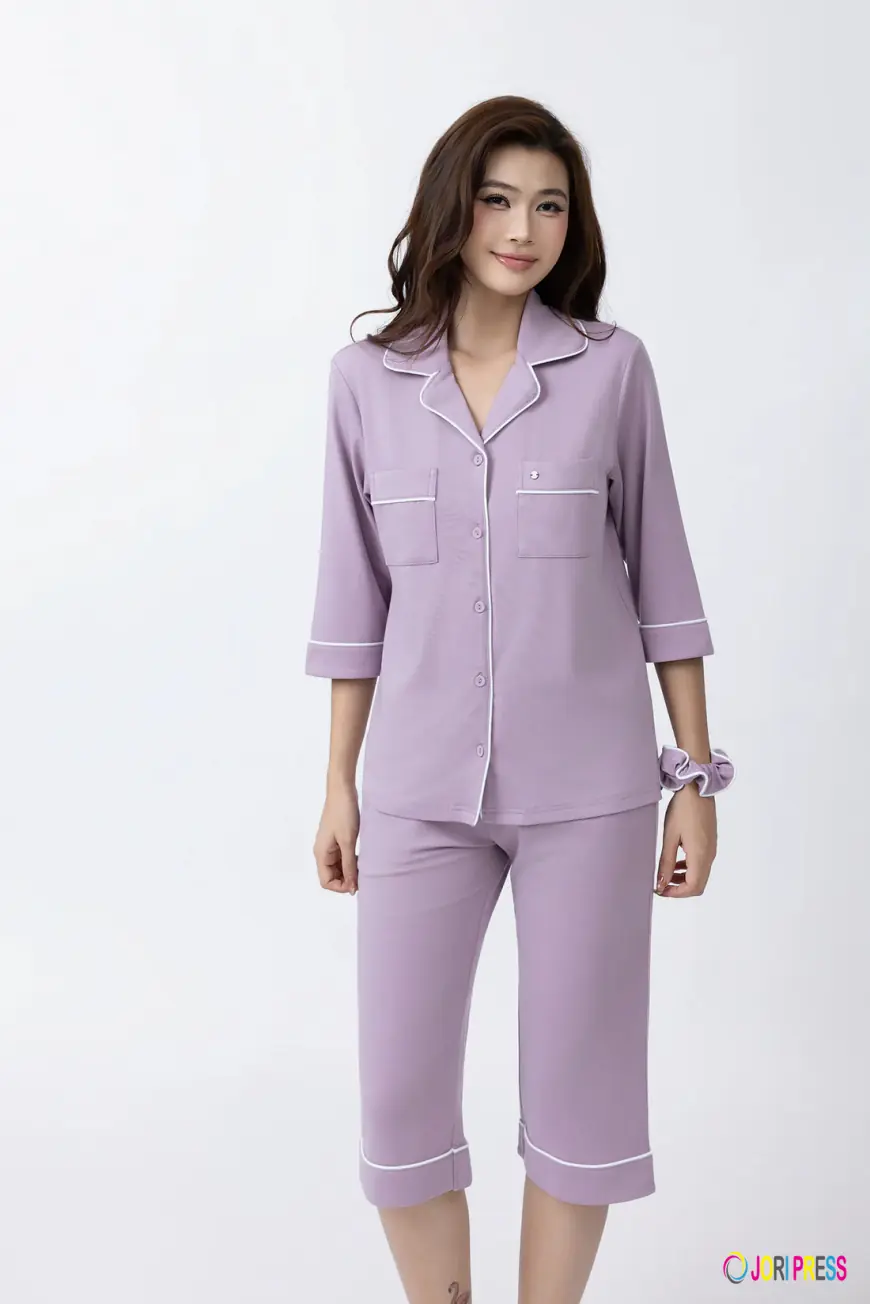
Bottom line: Tencel sleepwear is one of the best fabric choices if you want soft, breathable, and eco-conscious nightwear that feels cool against the skin and lasts longer than most cotton blends. It’s especially ideal for hot sleepers, sensitive skin, and anyone looking for premium comfort without compromising sustainability.
Quick takeaways:
- Ultra-soft and smooth texture (silk-like feel without the high cost)
- Naturally breathable and moisture-wicking
- Gentle on sensitive skin and reduces irritation
- Eco-friendly production compared to traditional fabrics
- Durable and resistant to wear and tear
What Is Tencel Sleepwear and Why Is It So Popular?
Tencel sleepwear is made from lyocell fibers, derived from sustainably sourced wood pulp—usually eucalyptus trees. What sets it apart is the closed-loop production process, where water and solvents are reused, making it far less wasteful than conventional fabric manufacturing.
But popularity isn’t just about sustainability. The real reason people switch to Tencel is the feel. It’s smooth, lightweight, and drapes beautifully on the body. Think of it as the sweet spot between cotton and silk—comfortable yet refined.
How Does Tencel Sleepwear Feel Compared to Cotton or Silk?
If you’ve worn standard cotton pajamas, you’ll immediately notice the upgrade.
| Feature |
Tencel Sleepwear |
Cotton Sleepwear |
Silk Sleepwear |
| Softness |
Very high (silky feel) |
Moderate |
Very high |
| Breathability |
Excellent |
Good |
Moderate |
| Moisture Control |
High |
Medium |
Low |
| Skin Sensitivity |
Very gentle |
Can be rough over time |
Gentle |
| Maintenance |
Easy |
Easy |
High maintenance |
Tencel feels cooler than cotton and less slippery than silk. It’s the kind of fabric that doesn’t cling or trap heat, which makes a big difference if you tend to overheat at night.
Is Tencel Sleepwear Good for Hot Sleepers?
Yes—and this is where it really shines.
Tencel fibers are designed to wick moisture away from the body, keeping you dry throughout the night. Unlike synthetic fabrics that trap sweat, Tencel allows air to circulate freely.
From experience, switching to Tencel can reduce that uncomfortable “sticky” feeling you get with regular nightwear. If you live in a warm climate or deal with night sweats, this fabric can noticeably improve sleep quality.
Why Is Tencel Sleepwear Better for Sensitive Skin?
Tencel has a naturally smooth fiber surface, which means less friction against your skin. That matters more than most people realize.
Here’s what makes it skin-friendly:
- No rough fibers that cause irritation
- Hypoallergenic properties
- Reduced bacterial growth due to moisture control
If you’ve ever felt itchy in regular pajamas, especially after multiple washes, Tencel is a safer bet. It stays soft even after repeated use.
Is Tencel Sleepwear Really Eco-Friendly?
Short answer: yes—but with context.
Tencel production uses a closed-loop system, where over 99% of the solvents are recycled. Compared to cotton, which requires heavy water usage and pesticides, Tencel has a significantly lower environmental footprint.
That said, not all brands maintain the same standards. When shopping, look for:
- Certified Tencel or lyocell labeling
- Transparent sourcing practices
- Sustainable packaging
This ensures you’re actually getting the eco benefits, not just marketing claims.
How to Choose the Right Tencel Sleepwear
Not all Tencel sleepwear is created equal. Here’s what to check before buying:
1. Fabric Blend
Pure Tencel offers maximum softness, but blends (like Tencel + cotton) can improve durability and reduce cost.
2. Fit and Design
Loose-fitting styles work best for airflow. Avoid overly tight designs if breathability is your priority.
3. Stitching Quality
Premium sleepwear should have clean seams and strong stitching. This prevents wear over time.
4. Weight of Fabric
Lightweight Tencel is ideal for summer, while slightly heavier versions work well in cooler seasons.
How to Care for Tencel Sleepwear
One of the underrated advantages is how easy it is to maintain.
Follow these steps:
- Wash in cold water with mild detergent
- Avoid harsh chemicals or bleach
- Air dry or use low heat settings
- Store in a cool, dry place
Unlike silk, you don’t need special handling. And unlike cotton, it won’t lose softness quickly.
Is Tencel Sleepwear Worth the Price?
Tencel sleepwear usually sits in the mid-to-premium price range, but the value holds up over time.
You’re not just paying for comfort—you’re getting:
- Longer-lasting fabric
- Better sleep quality
- Reduced skin irritation
- Sustainable production benefits
If you’ve been rotating through low-cost sleepwear that wears out quickly, investing in Tencel can actually save money in the long run.
Who Should Buy Tencel Sleepwear?
This fabric isn’t just a trend—it solves real problems. It’s a strong choice if you:
- Sleep hot or sweat at night
- Have sensitive or easily irritated skin
- Prefer soft, lightweight fabrics
- Care about eco-friendly products
- Want low-maintenance luxury
For anyone serious about comfort, Tencel sleepwear isn’t just an upgrade—it’s a noticeable shift in how your nights feel.






































 Like
0
Like
0
 Dislike
0
Dislike
0
 Love
0
Love
0
 Funny
0
Funny
0
 Angry
0
Angry
0
 Sad
0
Sad
0
 Wow
0
Wow
0