


































The Real Cost of Refractive Lens Exchange, According to an Actual Santa Rosa Eye Doctor

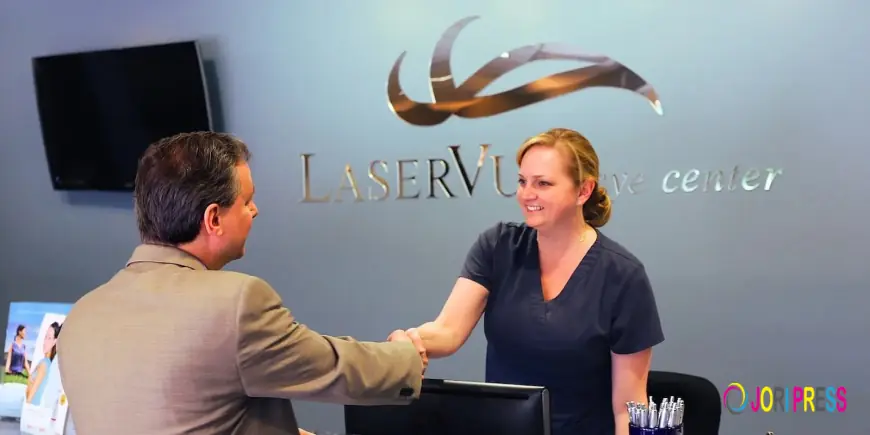
Nobody enjoys the moment in a consultation when the actual number gets said out loud, and refractive lens exchange has a number worth preparing for before that moment arrives. The cost of refractive lens exchange typically runs somewhere between three thousand and eight thousand dollars per eye, depending on lens choice, which means the honest answer to "how much does this cost" has always been "it depends," a phrase that satisfies exactly nobody in the room.
A good Santa Rosa eye doctor will walk through that range in detail rather than quoting a single number and hoping the conversation moves along quickly, mostly because the range genuinely does move depending on decisions the patient gets to make.
Where the Number Actually Comes From
Three variables do most of the work: the type of lens selected, whether both eyes are being treated, and the specific surgeon's fee structure. A standard monofocal lens sits at the lower end of the range, correcting vision at one distance and leaving reading glasses in the picture. Premium multifocal or extended-depth-of-focus lenses push the number higher, offering a broader range of clear vision without corrective lenses afterward. Most patients treat both eyes, which roughly doubles the total, though many practices offer a modest discount for the second eye since it's typically scheduled within the same surgical window.
Why Insurance Isn't Coming to the Rescue
Refractive lens exchange is classified as elective, which is insurance-speak for "not our problem," since the procedure corrects vision rather than treating disease. This surprises people who assume any eye surgery involving the word "lens" must overlap with cataract coverage somewhere. It doesn't. What does help is that the procedure qualifies for HSA and FSA funds, meaning pre-tax dollars can cover a meaningful chunk of the bill for anyone who plans ahead by a year or two rather than deciding on a Tuesday and hoping for the best.
The Math Nobody Runs Until Someone Else Does It For Them
A pair of glasses replaced every year or two, contact lens subscriptions, the eventual cataract surgery that a large majority of people need anyway by their seventies, none of that is free either, it's simply spread out in smaller, less noticeable increments over a couple of decades. Add it up over fifteen or twenty years and the total often lands closer to the RLE price tag than most people expect walking in. That comparison doesn't make the upfront number smaller, but it does put it in a frame that feels less like an indulgence and more like moving a distant cost forward.
What a Consultation Should Actually Cover
A quote that arrives before a real conversation about lens options and prescription specifics isn't a quote, it's a guess with a dollar sign attached. A thorough consultation covers corneal measurements, lens options suited to the patient's specific prescription and lifestyle, and a clear breakdown of what's included versus what might be billed separately, such as post-operative visits. LaserVue Eye Center's Santa Rosa office structures its RLE consultations around exactly that level of detail, on the theory that a patient who understands what they're paying for is considerably less likely to feel blindsided by the final invoice.
Financing, Because Not Everyone Has Six Thousand Dollars Sitting Around
Most practices offering RLE also offer financing through third-party medical lenders, often with promotional interest-free windows for patients who qualify. This isn't a hidden feature so much as a routinely underexplained one, since practices tend to mention it only when directly asked rather than upfront.
The Actual Bottom Line
The cost of refractive lens exchange is real, it's not small, and nobody should be told otherwise by someone hoping to close the sale before the number sinks in. But it's also a cost that replaces a long string of smaller ones, evaluated properly by a doctor willing to spend real time on the specifics rather than a number pulled from a price sheet. That distinction, more than the number itself, is usually what separates a patient who feels good about the decision from one who spends the recovery period wondering if they got a fair deal.
A Question Worth Asking Before Booking Anything
Ask directly what happens if a lens needs adjusting after the fact, whether that's covered under the original fee or billed separately. Enhancement policies vary considerably between practices, and this is exactly the kind of detail that tends to get skipped in a rushed sales conversation but included, without prompting, by a practice confident in its own outcomes.
It's also worth asking how many RLE procedures the surgeon performs in a typical year, separate from cataract surgery volume, since the two procedures share a technique but not always the same level of elective-case experience.
What's Your Reaction?
 Like
0
Like
0
 Dislike
0
Dislike
0
 Love
0
Love
0
 Funny
0
Funny
0
 Angry
0
Angry
0
 Sad
0
Sad
0
 Wow
0
Wow
0