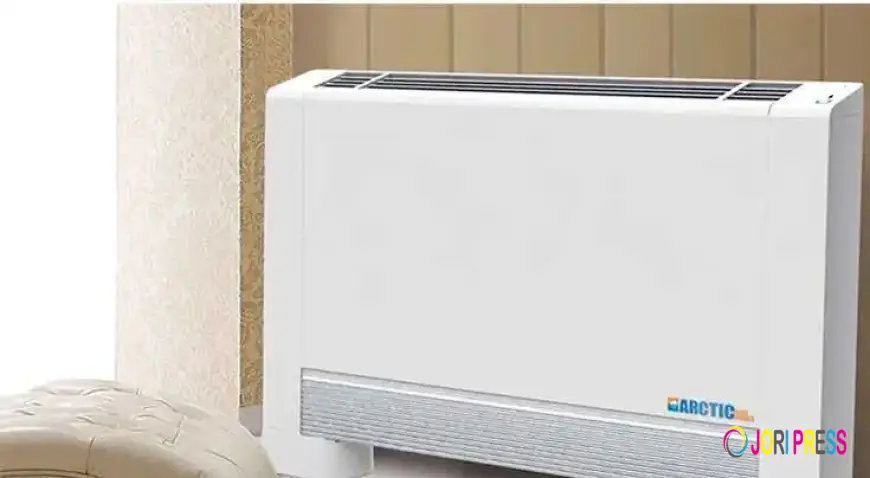
A hydronic fan coil is an indoor HVAC unit that uses hot or chilled water (instead of refrigerant-only systems) to heat or cool air efficiently. It connects to a central heat source like a boiler or heat pump and distributes conditioned air through a fan and coil setup.
Quick takeaways:
- Uses water-based heating & cooling (more efficient than air-only systems)
- Works with heat pumps, boilers, or chillers
- Ideal for zoned comfort control
- Delivers quiet operation + better air distribution
- Common in homes, hotels, and commercial buildings
What Is a Hydronic Fan Coil Unit?
A hydronic fan coil unit (FCU) is a compact indoor system that conditions air by passing it over a coil filled with hot or cold water. The coil changes the air temperature, and a fan pushes that air into your room.
Think of it as a bridge between your central hydronic system and your indoor comfort.
How it works (simple breakdown):
- A heat source (like a heat pump or boiler) heats or cools water
- Water flows through insulated pipes into the fan coil
- The coil transfers heat to or from the air
- A fan blows the conditioned air into the room
No refrigerant lines inside the room. Just water doing the heavy lifting.
Why Choose a Hydronic Fan Coil Over Traditional HVAC?
1. Higher Energy Efficiency
Water carries heat far more efficiently than air. That means:
- Less energy needed for the same comfort level
- Lower operating costs over time
2. Zoned Heating & Cooling
Each fan coil can operate independently:
- Set different temperatures for different rooms
- Reduce energy waste in unused spaces
3. Quiet Operation
Unlike traditional ducted systems:
- No loud airflow noise
- Smooth, low-decibel fan performance
4. Flexible Installation
Hydronic fan coils can be:
- Wall-mounted
- Ceiling-concealed
- Floor-standing
Perfect for retrofits or new builds.
Hydronic Fan Coil vs Traditional Split AC
| Feature |
Hydronic Fan Coil |
Split AC System |
| Medium |
Water |
Refrigerant |
| Energy Efficiency |
High |
Moderate |
| Zoning |
Excellent |
Limited |
| Installation |
Flexible |
Fixed layout |
| Noise Level |
Low |
Medium |
| Long-term Cost |
Lower |
Higher |
Insight: In larger homes or buildings, hydronic systems almost always outperform split systems in both comfort and operating cost.
Types of Hydronic Fan Coil Units
1. Wall-Mounted Units
- Similar look to split AC indoor units
- Easy to install
- Best for residential rooms
2. Ceiling Cassette Units
- Installed in false ceilings
- 360° air distribution
- Ideal for offices and hotels
3. Concealed Ducted Units
- Hidden above ceilings
- Connect to short duct runs
- Clean, minimal aesthetic
4. Floor-Standing Units
- Installed near walls or windows
- Great for retrofit projects
Where Hydronic Fan Coils Work Best
From hands-on HVAC projects, these systems shine in:
- Cold climates (paired with air-to-water heat pumps)
- Luxury homes needing precise temperature control
- Hotels & apartments with multiple rooms
- Commercial buildings with varying occupancy
If you’re designing a “whole-home” system with radiant heating, domestic hot water, and cooling—this is where hydronic fan coils really make sense.
Installation: What Most People Get Wrong
Here’s the part many overlook.
1. Improper Sizing
Oversized units:
Undersized units:
- Struggle to maintain temperature
Fix: Always calculate heat load properly (Manual J or equivalent).
2. Poor Water Temperature Design
Hydronic systems depend heavily on water temperature.
- Cooling: typically 7–12°C (44–54°F)
- Heating: typically 35–50°C (95–122°F)
Mismatch = poor performance.
3. Ignoring Condensate Drainage
During cooling:
- Moisture forms on the coil
- Needs proper drainage
Bad drainage = leaks + mold issues.
4. Weak Control Strategy
Without proper thermostats or zoning controls:
- You lose efficiency
- Comfort becomes inconsistent
Maintenance Tips (From Field Experience)
Hydronic fan coils are reliable—but only if maintained right.
Do this regularly:
- Clean or replace air filters every 1–3 months
- Flush coils annually
- Check valves and pumps
- Inspect condensate drain lines
Pro tip: Dirty coils can reduce efficiency by up to 20%—something many homeowners underestimate.
Are Hydronic Fan Coils Worth It?
Short answer: Yes—if your system is designed correctly.
They’re not a plug-and-play solution like split ACs. But when integrated with:
- Air-to-water heat pumps
- Radiant floor systems
- Smart zoning controls
…they deliver next-level comfort and efficiency.
Cost Consideration: Upfront vs Long-Term
| Cost Factor |
Hydronic Fan Coil |
| Initial Setup |
Higher |
| Operating Cost |
Lower |
| Lifespan |
Longer |
| ROI |
Strong (especially in large homes) |
Reality check: The upfront cost can be 20–40% higher, but energy savings and comfort often justify it within a few years.
Final Insight: Who Should Actually Choose This?
Go for hydronic fan coils if you:
- Are building or renovating a home
- Want silent, consistent comfort
- Plan to use a heat pump system
- Care about long-term efficiency over short-term savings
Skip it if you:
- Need a quick, low-cost cooling solution
- Don’t want system complexity
A well-designed hydronic fan coil system doesn’t just heat or cool—it creates a controlled indoor climate that feels consistent, quiet, and efficient in a way conventional systems struggle to match.








































 Like
0
Like
0
 Dislike
0
Dislike
0
 Love
0
Love
0
 Funny
0
Funny
0
 Angry
0
Angry
0
 Sad
0
Sad
0
 Wow
0
Wow
0