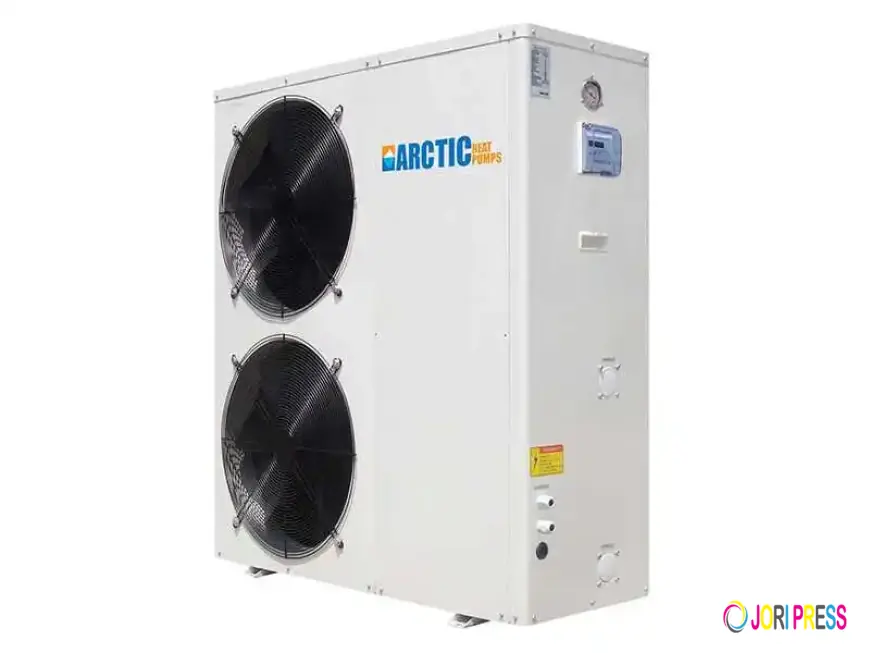
A Pool Heat Pump is one of the most energy-efficient ways to heat a swimming pool. Many pool owners want warm water so they can swim comfortably, but traditional heating systems can use a lot of energy and increase monthly utility bills. A pool heat pump offers a smarter and more cost-effective solution. It works by transferring heat from the air into the pool water instead of creating heat by burning fuel. Because of this efficient process, it can significantly reduce energy use and heating costs.
How a Pool Heat Pump Works
A pool heat pump uses electricity to move heat from the surrounding air into the pool water. The system pulls warm air from outside and passes it over an evaporator coil. The heat from the air is then compressed and transferred into the pool water through a heat exchanger.
This method is similar to how an air conditioner works but in reverse. Instead of removing heat from your home, the heat pump collects heat from the air and adds it to your pool. Because it transfers heat rather than producing it directly, the system uses much less energy compared to traditional heaters.
Lower Energy Consumption
One of the biggest advantages of a pool heat pump is its energy efficiency. Traditional gas heaters create heat by burning fuel, which requires a large amount of energy. In contrast, a pool heat pump only uses electricity to move heat that already exists in the air.
For every unit of electricity used, a heat pump can produce several units of heat. This means you get more heating power while using less energy. Over time, this efficiency helps reduce overall energy consumption and lowers monthly energy bills.
Reduced Heating Costs
Because pool heat pumps use less energy, they can greatly reduce the cost of heating a pool. Although the initial purchase and installation may cost more than some traditional heaters, the long-term savings can be significant.
Many pool owners notice that their heating costs drop after switching to a heat pump. Since the system operates efficiently and does not rely on expensive fuel, it provides consistent warmth without high operating expenses. Over several years, the savings on energy bills can make up for the initial investment.
Consistent and Comfortable Pool Temperature
Another advantage of using a pool heat pump is that it maintains a steady and comfortable water temperature. Traditional heaters often heat the pool quickly but also consume a lot of energy during the process.
A heat pump works gradually and efficiently to keep the water at the desired temperature. This steady heating process prevents sudden temperature changes and allows swimmers to enjoy a comfortable swimming experience for longer periods.
Longer Swimming Season
A pool heat pump can also extend your swimming season. Without heating, many pools become too cold to use during cooler months. With a heat pump, you can keep the water warm and comfortable even when the outside temperature drops.
This means you can enjoy your pool earlier in the spring and later into the fall. In some warmer regions, it may even allow for year-round swimming. By making better use of your pool, the investment in a heating system becomes even more valuable.
Environmentally Friendly Heating
Energy efficiency is not only good for saving money but also for protecting the environment. Pool heat pumps produce fewer greenhouse gas emissions compared to gas heaters because they do not burn fuel.
By using less energy and relying on renewable heat from the air, heat pumps help reduce the overall environmental impact of pool heating. For homeowners who want a more sustainable solution, this is an important benefit.
Easy Operation and Low Maintenance
Pool heat pumps are also known for being easy to use and maintain. Most systems include simple digital controls that allow pool owners to set the desired water temperature. Once the temperature is set, the heat pump automatically works to maintain it.
Maintenance requirements are usually minimal. Regular cleaning of filters and occasional professional servicing are typically enough to keep the system running efficiently. This makes heat pumps a convenient choice for many pool owners.
A Smart Long-Term Investment
Installing a pool heat pump is often seen as a smart long-term investment. While the upfront cost may be higher than some other heating options, the energy savings over time can make it more affordable in the long run.
Because heat pumps use electricity efficiently and do not rely on costly fuel, they offer lower operating costs and reliable performance. Many modern systems are also designed to last for many years, providing dependable pool heating with minimal issues.
Conclusion
A Pool Heat Pump is an excellent solution for pool owners who want to reduce energy use and heating expenses. By transferring heat from the air instead of generating it, the system uses far less energy than traditional heaters. This leads to lower utility bills, consistent water temperatures, and a longer swimming season.
In addition to saving money, pool heat pumps are environmentally friendly and easy to maintain. For homeowners looking for an efficient and reliable way to heat their swimming pool, a pool heat pump is a practical and cost-effective choice.








































 Like
0
Like
0
 Dislike
0
Dislike
0
 Love
0
Love
0
 Funny
0
Funny
0
 Angry
0
Angry
0
 Sad
0
Sad
0
 Wow
0
Wow
0