




































A Complete Guide to Warehouse Floor Line Marking Standards
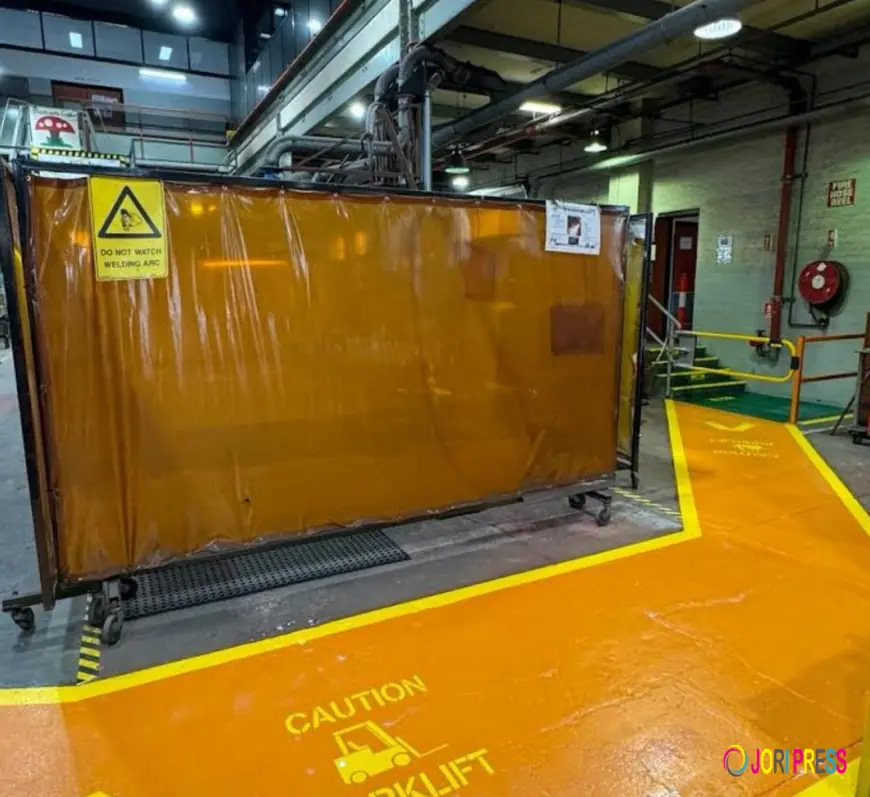
Warehouse environments can be complex, with forklifts, pallet jacks, and workers moving simultaneously.
New South Wales, Australia – January 26, 2026 – Maintaining safety and efficiency in warehouse environments is more critical than ever, and warehouse floor line marking plays a central role in achieving both. Speedy Line Marking, a leading provider of industrial line marking solutions, has unveiled a comprehensive guide detailing the standards and best practices for warehouse floor line marking, helping businesses improve workflow, safety, and compliance.
Enhancing Safety and Efficiency
Warehouse environments can be complex, with forklifts, pallet jacks, and workers moving simultaneously. Clear and consistent floor markings are essential to minimize accidents, optimize traffic flow, and ensure compliance with workplace safety regulations. According to Speedy Line Marking, proper floor marking isn’t just about aesthetics—it’s about creating an intuitive, safe environment that reduces the risk of collisions, slips, and operational errors.
Understanding Warehouse Floor Line Marking Standards
The guide covers essential standards that every warehouse should follow:
- Color-Coded Guidelines – Using standardized colors helps workers quickly identify specific areas, such as pedestrian pathways, storage zones, and hazard areas. For instance, yellow often indicates caution, red signals danger or fire equipment locations, and green may highlight safety equipment or emergency exits.
- Clear Pathways – Ensuring that walkways and forklift routes are clearly marked prevents congestion and accidents. Speedy Line Marking emphasizes that pathways should be consistently wide enough for safe movement and free from obstructions.
- Zoning and Storage Areas – Properly marked storage zones help maintain inventory organization, prevent damage, and allow for efficient picking and placement of goods. The guide also advises marking aisles with identifiers and keeping zones aligned with operational flow.
- Compliance with Workplace Safety Regulations – Adhering to Occupational Health and Safety (OHS) standards is critical. The guide outlines how markings can be used to meet regulatory requirements, including the visibility, durability, and reflectivity of floor lines.
- Durability and Maintenance – Speedy Line Marking highlights that using high-quality, long-lasting paints and coatings ensures that lines remain visible and effective, even under heavy foot and vehicle traffic. Routine maintenance, including touch-ups and inspections, is also essential to prevent fading and deterioration.
Benefits Beyond Safety
Investing in proper warehouse floor line marking provides measurable benefits beyond safety. Businesses can achieve improved operational efficiency, reduce downtime caused by accidents or misplacement of goods, and enhance overall workforce productivity. Additionally, a well-marked warehouse sends a strong message to auditors, inspectors, and clients about the company’s commitment to safety and professionalism.
Expert Insights from Speedy Line Marking
“Warehouse floor line marking is often overlooked until an incident occurs,” says a spokesperson from Speedy Line Marking. “Our guide is designed to help businesses proactively create a safe and organized environment. By following clear standards, companies can protect their employees, streamline operations, and maintain compliance with safety regulations.”
The guide also includes recommendations for integrating modern solutions such as reflective tape, anti-slip coatings, and color-coded safety zones that adapt to high-traffic areas and varied warehouse layouts.
Conclusion
As warehouses grow more complex and operational demands increase, adhering to warehouse floor line marking standards is no longer optional—it’s essential. Speedy Line Marking’s comprehensive guide equips businesses with the knowledge to implement effective marking systems that enhance safety, efficiency, and compliance. By prioritizing clear and durable floor markings, companies can foster a safer workplace, improve operational flow, and demonstrate their commitment to best practices in industrial safety.
What's Your Reaction?
 Like
0
Like
0
 Dislike
0
Dislike
0
 Love
0
Love
0
 Funny
0
Funny
0
 Angry
0
Angry
0
 Sad
0
Sad
0
 Wow
0
Wow
0