



































WiFi VoIP Phones Explained: Features, Use Cases & Benefits
Explore our range of VoIP phones for businesses of all sizes. Enjoy HD audio, seamless connectivity, and advanced features for efficient office communication and collaboration.

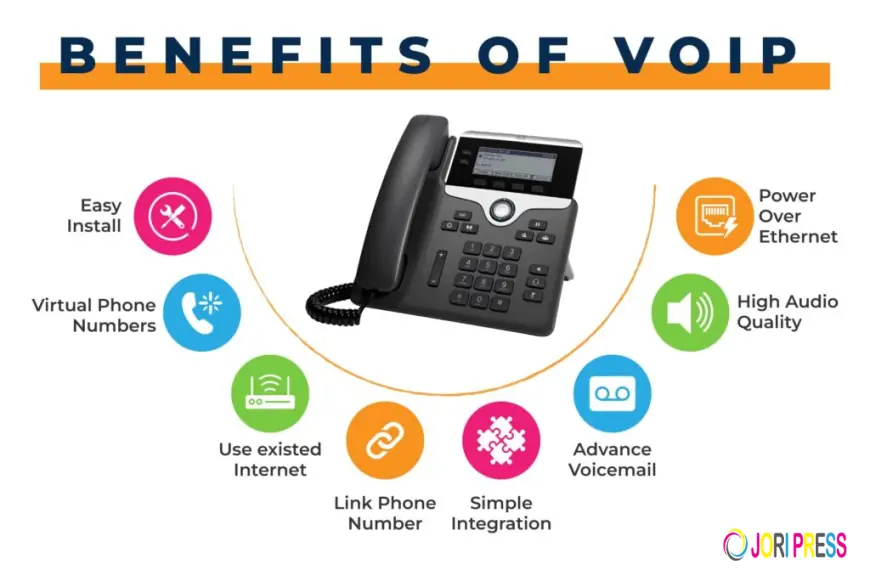
WiFi VoIP phones are changing the way people make calls. Instead of relying on traditional phone lines, these phones use your WiFi network to connect calls. This makes them flexible, portable, and often cheaper than landlines. Whether you are working from home or managing a small office, a WiFi VoIP phone can be a smart choice.
What Is a WiFi VoIP Phone?
A WiFi VoIP phone is a phone that uses the internet to make and receive calls instead of regular phone lines. "VoIP" stands for Voice over Internet Protocol. These phones connect to your WiFi network, which means you can take them anywhere in your home or office where WiFi is available.
Unlike mobile phones, they do not need a SIM card, and unlike landlines, they don’t require cables. Some WiFi VoIP phones even support multiple accounts so you can manage home and office calls on the same device.
Key Features to Look For
1. WiFi Connectivity
Most WiFi VoIP phones support dual-band WiFi (2.4GHz and 5GHz). This helps prevent call drops and interference.
2. Call Quality
High-quality WiFi VoIP phones provide HD voice and reduce background noise. Features like jitter buffering ensure your calls are clear.
3. Battery Life
Rechargeable batteries give you hours of talk time. Some models have long standby times, so your phone is always ready.
4. Easy to Use
Phones often come with large screens, simple menus, and programmable buttons for quick access.
5. Service Compatibility
Most WiFi VoIP phones work with popular SIP VoIP providers. Some models allow multiple accounts, which is useful for managing personal and business calls.
Comparing WiFi VoIP Phone Types
Standalone WiFi VoIP Phones
These phones connect directly to WiFi. They are easy to set up and perfect for small offices or homes.
DECT + WiFi Phones
These phones use a base station along with WiFi. They provide better range and reduce interference, making them ideal for larger offices.
|
Feature |
Standalone WiFi Phone |
DECT + WiFi Phone |
|
Setup |
Easy |
Medium |
|
Range |
WiFi dependent |
Longer with DECT |
|
Best For |
Small spaces |
Large offices |
Popular Models
-
Basic models: Affordable, simple calling features.
-
Mid-range models: Better voice quality and larger screens.
-
Premium models: Extended range, multiple accounts, and advanced features.
Some phones even support USB adapters or Bluetooth accessories to make them more versatile. For a complete range of WiFi VoIP phones and accessories, check out the best VoIP phone seller in US.
Use Cases for WiFi VoIP Phones
Home Users
-
Lower monthly call costs
-
Easy setup without cables
-
Portable within the house
Home Offices
-
Professional call quality
-
Can handle multiple lines
-
Useful for remote work
Small & Medium Businesses
-
Easy to expand without rewiring
-
Useful for hot desking
-
Flexible office setups
Remote & Mobile Workers
-
Calls work anywhere with WiFi
-
Same number across multiple locations
Benefits of WiFi VoIP Phones
-
Lower Costs: Cheaper than landlines and some mobile plans
-
Mobility: Move anywhere within WiFi range
-
Easy Setup: No cables or phone lines needed
-
Advanced Features: Voicemail-to-email, call forwarding, call directories
-
Unified Communication: Works with chat and video apps
Things to Keep in Mind
-
Requires a strong WiFi signal for clear calls
-
Battery must be charged regularly
-
Quality depends on internet speed
-
Some devices need security setup
Conclusion
WiFi VoIP phones are a smart choice for home users, remote workers, and small businesses. They are flexible, cost-effective, and easy to set up. When choosing a phone, check its battery life, WiFi compatibility, and support for your VoIP provider.
Read More Related Post:
Best Wireless VoIP Phones for Small Business
What's Your Reaction?
 Like
0
Like
0
 Dislike
0
Dislike
0
 Love
0
Love
0
 Funny
0
Funny
0
 Angry
0
Angry
0
 Sad
0
Sad
0
 Wow
0
Wow
0