








































White Label Real Estate Tokenization: Designing the Investor Dashboard for Digital Property Markets
Discover how to design investor dashboards for White Label Real Estate Tokenization, covering property data, portfolios, transactions, and analytics.

Real estate investment has traditionally involved property listings, legal documents, financial statements, brokers, banks, and long settlement periods. Digital property markets are changing how investors interact with these assets. Tokenization adds another layer by representing ownership interests or economic rights through blockchain-based tokens. However, the technology behind a property token is only one part of the investor experience. The dashboard through which investors review opportunities, purchase tokens, monitor holdings, and receive updates can have an equally important role.
A well-planned investor dashboard gives users one place to view property information, portfolio positions, transaction records, distributions, and compliance status. For businesses adopting White Label Real Estate Tokenization, dashboard design also provides an opportunity to present a professional investment environment under their own brand.
What an Investor Dashboard Means in Real Estate Tokenization
An investor dashboard is the user-facing area of a White Label Real Estate Tokenization Platform where investors interact with tokenized property investments. It connects the investment interface with blockchain infrastructure, property data, payment systems, identity verification, smart contracts, and administrative functions.
The dashboard should not simply display token balances. Investors usually need information about the property, token price, ownership percentage, investment amount, income received, transaction history, and relevant documents. Depending on the platform model, they may also need access to primary offerings, secondary trading, voting activities, redemption requests, and distribution records.
For businesses using White Label Real Estate Tokenization Services, the dashboard can be presented with their logo, colors, domain, navigation structure, and communication style. This gives investors a consistent experience from registration through ongoing portfolio management.
Method 1: Start With the Investor Journey
Dashboard planning should begin with the actions an investor is expected to perform. Instead of placing every available feature on the first screen, the interface should follow a logical investment journey.
A typical journey may begin with account registration and identity verification. The investor then reviews available properties, studies financial information, checks eligibility, selects an investment amount, completes payment, receives tokens, and monitors the investment afterward.
Each stage requires different information. A new investor may need educational information and property details, while an existing investor may care more about portfolio value, distributions, and transaction records.
Mapping these activities before designing the interface helps product teams decide which screens deserve priority. It also prevents the dashboard from becoming crowded with features that investors rarely use.
Method 2: Create a Focused Dashboard Home Screen
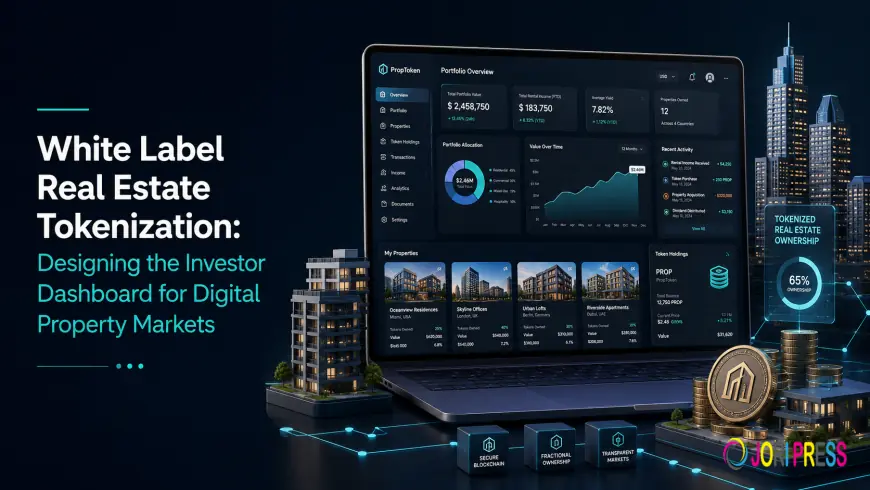
The home screen should give investors a quick view of their current position. Important information may include total invested value, number of property holdings, token balances, recent transactions, pending actions, and income received.
A portfolio summary can be followed by a section showing active property offerings. Each property card can present the property name, location, asset category, token price, minimum investment, projected income information, and offering status.
Recent activity can appear below these sections. Investors may want to see token purchases, transfers, distributions, or pending verification activities without opening several pages.
The first screen should answer a simple question: “What is happening with my property investments?” Other details can remain available through dedicated sections.
Method 3: Present Property Information Before Investment
Investors need more than a property photograph and token price before committing funds. The property page should provide the information required to assess the opportunity.
A detailed property profile may include location, property type, occupancy information, valuation data, expected income, expenses, ownership structure, token supply, offering period, and investment terms. Documents such as valuation reports, legal agreements, financial statements, and property reports can also be presented within the interface.
Visual elements can help investors understand the asset. Charts may show historical income, occupancy, expenses, or projected distributions where appropriate. The information should be presented in sections so users can move from a quick overview to detailed documentation.
A well-organized property page can reduce confusion and help investors understand what the token represents before making a transaction.
Method 4: Design Portfolio Tracking Around Real Investment Data
Once investors hold property tokens, portfolio monitoring becomes a regular activity. The dashboard should therefore provide a dedicated portfolio area.
This section can show each tokenized property separately, along with the number of tokens held, purchase value, current value where applicable, ownership percentage, income received, and transaction history.
Portfolio charts can display allocation by property type, location, or investment category. A separate income section can show distributions received over selected periods.
For platforms supporting multiple assets, filters become useful. Investors may want to view residential properties separately from commercial assets or compare holdings based on investment amount or income.
The objective is to make portfolio information easy to locate without forcing users to search through transaction screens.
Method 5: Make Token Transactions Easy to Follow
Blockchain transactions can appear unfamiliar to investors who are accustomed to traditional property investment. The dashboard should present transaction information in terms users can understand.
A transaction page may include the transaction type, property, number of tokens, amount paid, date, transaction status, wallet address, and blockchain transaction reference. Status labels can indicate whether a transaction is pending, completed, rejected, or requires action.
For users who want blockchain-level information, a transaction hash can be provided with an option to view the relevant network record. At the same time, the primary interface should focus on information that matters to the investor.
This approach gives users access to blockchain records without making technical terminology the center of the investment experience.
Method 6: Add Wallet and Payment Management
A real estate tokenization dashboard may support cryptocurrency wallets, fiat payments, or both, depending on the business model and regulatory framework.
The wallet section can display supported assets, balances, deposit and withdrawal options, connected wallet information, and transaction records. If fiat payment methods are supported, investors may also see bank transfer or card payment status.
Security controls should receive careful attention. Actions involving withdrawals, wallet changes, or large transactions can require additional authentication. The interface should also make pending actions visible so investors know when funds or tokens are unavailable for use.
Payment information should be separated from general portfolio information while remaining easy to access.
Method 7: Place Compliance Features Within the Investor Experience
Compliance should not exist only in the administrative backend. Investors may need to complete identity verification, submit documents, confirm eligibility, or update personal information before participating in certain offerings.
The dashboard can provide a dedicated verification area showing the current status of these requirements. For example, users may see whether identity verification is pending, completed, or requires additional documentation.
Eligibility requirements can also appear before an investor reaches the purchase stage. This helps prevent users from attempting transactions for offerings they cannot access.
Businesses using White Label Real Estate Tokenization Development should consider compliance requirements early in dashboard planning because these requirements influence registration, investment, transfers, and account management.
Method 8: Give Investors Access to Distribution Information
Income distribution is one of the areas investors are likely to revisit frequently. The dashboard should provide a simple view of expected and completed distributions where the investment model includes rental income, interest, profit sharing, or another form of return.
Investors can see the property associated with each distribution, amount, date, status, and payment method. Historical records can remain available for accounting and personal tracking.
Tax-related documents or statements may also be provided depending on the jurisdiction and platform structure. Keeping these records accessible from the dashboard reduces the need for investors to search through emails or separate document repositories.
Method 9: Add Secondary Market Features Carefully
Some digital property markets may support secondary trading. If tokens can be traded after the initial offering, the dashboard may include buy and sell functions, order information, available liquidity, and transaction history.
The interface should make a distinction between primary property offerings and secondary-market transactions. Investors need to understand whether they are purchasing tokens directly from an offering or acquiring them from another participant.
Price information should also be presented with appropriate context. Token prices may change according to market activity and platform rules, and the interface should avoid giving investors the impression that a token price automatically represents the underlying property's current valuation.
Method 10: Include Notifications Without Creating Noise
Investors may need notifications about distributions, property updates, transaction status, compliance requests, offering deadlines, and account activity.
A notification center can bring these messages together. Important actions can receive priority, while general property updates can remain available in a secondary section.
Email and in-dashboard notifications can work together. Users should also have control over which non-critical notifications they receive. This keeps communication useful without filling the dashboard with repetitive alerts.
Method 11: Make the Dashboard Responsive Across Devices
Real estate investors may access their accounts through desktops, tablets, and smartphones. The dashboard should therefore work across different screen sizes.
The desktop version can provide detailed portfolio tables, charts, documents, and transaction records. Mobile screens may focus on balances, property summaries, notifications, and transaction actions.
Navigation should remain predictable across devices. Buttons for investment, withdrawal, token transfer, and other financial actions should have sufficient spacing and confirmation steps to reduce accidental activity.
Method 12: Connect the Dashboard With the Platform Architecture
The investor dashboard is only the visible portion of a larger White Label Tokenization Platform. Behind it are services responsible for property onboarding, token issuance, smart contracts, identity verification, payment processing, wallet management, reporting, and administration.
The dashboard should receive information through controlled application interfaces rather than directly interacting with every backend component. This separation allows individual services to handle their own responsibilities while the dashboard presents the resulting information to investors.
For White Label Real Estate Tokenization Platform Development, this architecture also helps businesses introduce dashboard features without redesigning the entire platform each time.
Method 13: Keep Branding Consistent With the Business
A white-label product should feel like the company's own investment platform rather than a generic third-party application.
Branding can be applied to the login page, dashboard header, property pages, notifications, investor documents, and account screens. Typography, logo placement, terminology, and navigation should remain consistent.
However, branding should not interfere with financial information. Investment values, transaction statuses, risk disclosures, and compliance notices need visual priority over decorative elements.
White Label Real Estate Tokenization gives businesses the option to start with an existing technology foundation while presenting a platform experience associated with their own brand.
Method 14: Plan the Dashboard Around Security
Investor dashboards handle valuable financial and personal information, so security needs to be considered throughout the interface.
Multi-factor authentication, session controls, wallet verification, transaction confirmations, access logs, and withdrawal safeguards can be incorporated based on the platform's requirements.
Sensitive information should not be displayed unnecessarily. Users should also receive alerts when important account changes occur, such as password updates, wallet changes, or unusual account activity.
Security messages should use understandable language. Investors need to know what happened, what action is required, and whether their funds or tokens are affected.
How White Label Development Can Support Faster Product Launches
Developing every dashboard and backend component from the beginning can require considerable product planning, engineering, testing, security review, and maintenance. A White Label Real Estate Tokenization Platform can provide an existing foundation that businesses can configure around their investment model.
White Label Real Estate Tokenization Services may cover functions such as investor onboarding, token management, property listings, wallet integration, transaction management, portfolio tracking, compliance workflows, and administrative controls.
The exact feature set depends on the provider and business requirements. Before selecting a platform, businesses should review its blockchain support, smart contract design, security practices, compliance capabilities, API structure, customization options, and post-launch support.
What Makes an Investor Dashboard Effective?
A useful dashboard is not defined by the number of features it contains. Its value comes from how well it presents information and supports the investor's regular activities.
Investors should be able to locate their holdings, understand individual properties, review transactions, monitor distributions, complete required verification, and manage their accounts without unnecessary navigation.
The interface should also distinguish between information that investors need immediately and information they may review occasionally. Portfolio value and pending actions may belong on the home screen, while historical documents and blockchain records can remain within dedicated sections.
This balance helps the dashboard remain informative without becoming difficult to use.
Conclusion
The investor dashboard sits at the center of the user experience in a digital property market. It connects property information, token holdings, transactions, payments, distributions, compliance, and account management within one environment. For businesses adopting White Label Real Estate Tokenization, dashboard planning should begin with investor activities and continue through portfolio management, security, branding, and platform architecture. A well-planned interface can make tokenized property investment easier to understand while giving businesses a practical foundation for operating a digital investment marketplace. Blockchain app factory provides White Label Real Estate Tokenization Services designed to support businesses seeking technology for property tokenization platforms, investor interfaces, token management, and related platform functions.
FAQs
1. What is an investor dashboard in White Label Real Estate Tokenization?
An investor dashboard is the user interface where investors can view tokenized properties, manage holdings, review transactions, monitor distributions, complete verification, and manage account settings.
2. What should a White Label Real Estate Tokenization Platform dashboard include?
Common features include property listings, portfolio tracking, token balances, transaction history, wallet management, payment records, distribution information, compliance status, notifications, and account security controls.
3. Why is dashboard design important for tokenized real estate?
The dashboard is where investors interact with the platform. Good information organization can help users understand properties, monitor investments, and complete transactions without unnecessary complexity.
4. Can businesses add their own branding to a white-label dashboard?
Yes. White-label platforms commonly support business branding across areas such as logos, colors, typography, domains, navigation, and investor communications, depending on the provider.
5. What role does compliance play in an investor dashboard?
Compliance features can cover identity verification, investor eligibility, document submission, transaction restrictions, and account status. Their exact implementation depends on the applicable jurisdiction and investment model.
6. Can a tokenization dashboard support secondary trading?
It can, if the underlying platform and legal structure support secondary-market activity. Features may include buy and sell functions, order information, token prices, and trading records.
7. How does White Label Real Estate Tokenization Development differ from building a platform from scratch?
White-label development generally starts with an existing technology foundation that can be configured for a business. Building from scratch requires the business to develop and maintain the platform components independently.
8. What security features can be included in a tokenization investor dashboard?
Depending on the platform, security features can include multi-factor authentication, wallet verification, transaction confirmations, session controls, withdrawal safeguards, and account activity alerts.
9. Can investors access tokenized property dashboards on mobile devices?
Yes. A responsive dashboard can provide access through smartphones, tablets, and desktop computers, with the interface adjusted for different screen sizes.
10. What is the role of a White Label Tokenization Platform in digital property markets?
A White Label Tokenization Platform can provide technology for functions such as property token issuance, investor management, wallet operations, transactions, compliance workflows, and portfolio monitoring while allowing a business to present the product under its own brand.
What's Your Reaction?
 Like
0
Like
0
 Dislike
0
Dislike
0
 Love
0
Love
0
 Funny
0
Funny
0
 Angry
0
Angry
0
 Sad
0
Sad
0
 Wow
0
Wow
0