




































What Should Designers Know About Selecting Blanket Fabric Material by the Yard?

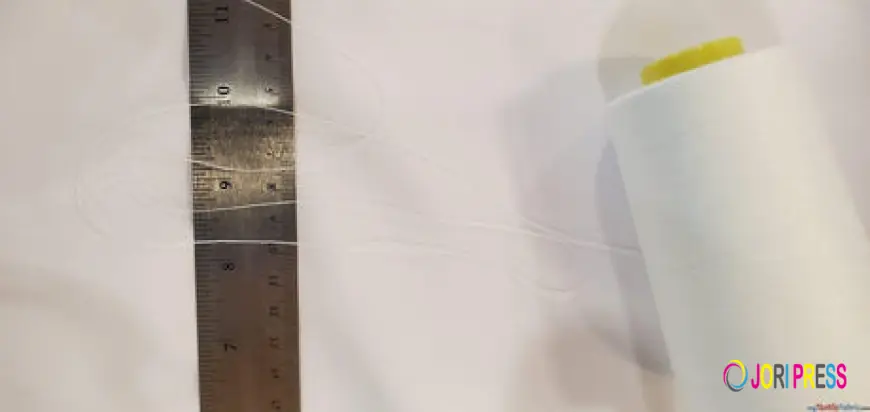
Designing a blanket involves more than picking a soft fabric and cutting it to size. Designers also need to think about warmth, weight, durability, texture, and how the finished blanket will be used. Choosing blanket fabric material by the yard gives designers more flexibility, especially when creating custom sizes, patterns, or small production runs.
Still, not every fabric is right for every blanket. A few important factors can make the difference between a blanket that looks great and one that feels uncomfortable or wears out too quickly.
How Should Designers Start Their Fabric Selection?
Begin with the purpose of the blanket. A lightweight throw for a living room has different needs than a thick blanket designed for cold weather.
Consider questions such as:
● Will the blanket be used indoors or outdoors?
● Should it feel lightweight or warm?
● Will it be washed often?
● Does it need to withstand heavy use?
● Will it include printing, embroidery, or other decoration?
Once these details are clear, designers can narrow down suitable fabric choices.
Does Fabric Weight Matter?
Yes, fabric weight has a major effect on the finished blanket. Lightweight materials can be useful for decorative throws, travel blankets, and warm-weather use. Heavier materials generally provide more warmth and a cozier feel.
However, heavier does not always mean better. A very thick blanket may be uncomfortable for some users or difficult to store. Designers should find a practical balance between warmth, comfort, and handling.
Which Fabrics Offer the Right Level of Softness?
Softness is often one of the first things people notice about a blanket. Materials such as fleece, plush fabrics, flannel, and some cotton blends can provide a comfortable surface.
The right choice depends on the intended experience. A blanket designed for everyday lounging may need a very soft finish, while a decorative blanket may place more emphasis on appearance and structure.
It is always a good idea to touch and test fabric samples before ordering larger quantities.
Why Is Durability Important?
Blankets can go through plenty of wear. They may be folded, stored, washed, dragged across furniture, or used outdoors. As a result, designers should consider how well the fabric will hold up over time.
A durable blanket fabric material should resist excessive shedding, pilling, fading, and surface damage. The fabric should also maintain its shape after repeated washing.
For commercial projects, durability becomes even more important because customers expect the finished product to last.
How Much Fabric Should Designers Buy?
Buying by the yard allows designers to calculate fabric needs based on the size and number of blankets being produced. However, it is important to account for cutting and sewing.
Designers should consider:
● Finished blanket dimensions
● Seam allowances
● Pattern placement
● Fabric width
● Possible cutting waste
● Number of blankets required
For patterned fabrics, extra material may be needed to match designs correctly. Planning ahead can help reduce waste and avoid running short during production.
Should Designers Consider Fabric Width?
Definitely. Fabric width can affect how efficiently a blanket can be produced. A wider material may allow a large blanket to be cut from fewer pieces, reducing the need for seams. Narrower fabrics may require joining multiple sections. That is not necessarily a problem, but the seam placement should fit the design. Checking the usable width before purchasing can therefore help designers plan the project more accurately.
What About Color and Pattern?
Color and pattern can completely change the personality of a blanket. Neutral shades can create a simple and modern look, while bold prints can make the blanket a statement piece. Designers should also think about how the color will hold up after washing. A beautiful shade is only useful if it remains attractive after regular use. For custom projects, it is smart to test a small piece first. This helps confirm that the actual fabric color matches the intended design.
Is Fabric Care Worth Considering?
Absolutely. A blanket that requires complicated care may not be practical for everyday customers. Easy-care fabrics are often a better choice for products intended for frequent use. Designers should check whether the material can be machine washed, whether it needs special drying instructions, and whether it is likely to shrink.
Care requirements should also be considered during production. A fabric that changes significantly after washing can affect the final blanket size and appearance.
Should Designers Test the Fabric First?
Yes. A fabric sample can reveal things that specifications alone cannot. Designers can check its softness, thickness, drape, stretch, color, and overall feel. They can also wash the sample to see how it responds to cleaning. This small step can prevent bigger problems later.
For custom blanket projects, testing the blanket fabric material before bulk purchasing is especially useful. It gives designers more confidence in both the fabric and the finished product.
How Can Designers Make a Better Final Choice?
There is no single fabric that works perfectly for every blanket. The best option depends on the product's purpose, climate, design, care needs, and expected level of use.
By comparing fabric weight, softness, durability, width, color, and maintenance requirements, designers can make more informed decisions. Buying blanket fabric material by the yard also provides the flexibility needed for custom designs and different production quantities.
A little planning at the fabric-selection stage can go a long way toward creating blankets that look good, feel comfortable, and hold up through everyday use.
What's Your Reaction?
 Like
0
Like
0
 Dislike
0
Dislike
0
 Love
0
Love
0
 Funny
0
Funny
0
 Angry
0
Angry
0
 Sad
0
Sad
0
 Wow
0
Wow
0