
































What Property Owners Should Look for in a Commercial Masonry Contractor

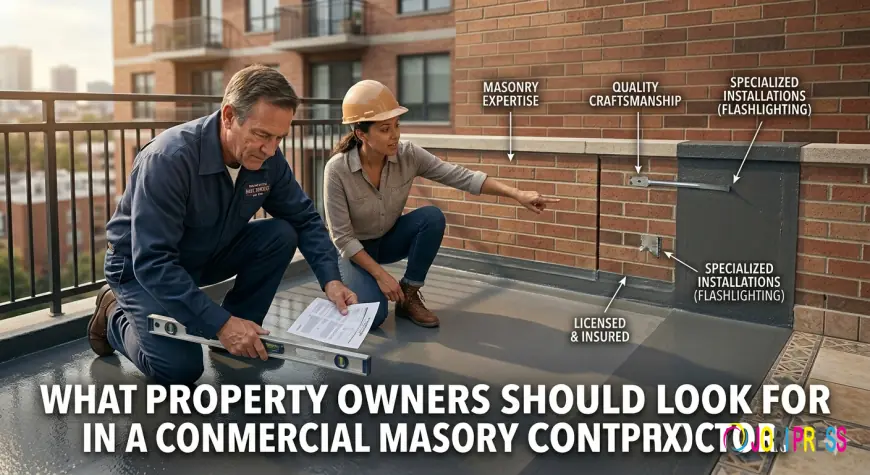
Commercial construction projects involve dozens of moving parts, from engineering and permitting to scheduling and inspections. Every trade contributes to the quality and performance of the finished structure, but masonry work often plays an especially important role because it directly affects durability, appearance, and long-term maintenance.
Whether a project includes structural block walls, decorative stonework, retaining systems, or multifamily site features, choosing the right masonry contractor can make a significant difference in the outcome of the build.
In growing markets like Stockton and surrounding Central Valley communities, experienced masonry professionals continue to play a major role in supporting commercial development.
Why Masonry Matters in Commercial Construction
Masonry has remained a foundational part of construction because it combines structural reliability with long-term performance. Commercial buildings are expected to withstand years of weather exposure, public use, and operational demands without excessive maintenance.
Properly installed masonry can provide:
-
Strong resistance to wear and impact
-
Long-lasting structural integrity
-
Fire-resistant characteristics
-
Improved sound control
-
Low maintenance requirements
-
Professional visual appeal
These benefits make masonry a common choice for multifamily developments, retail centers, industrial properties, schools, and office buildings.
Experience With Commercial Projects Is Essential
Not every masonry contractor has experience handling large-scale commercial work. Commercial construction requires more than technical masonry skills alone. Contractors must also understand scheduling coordination, site logistics, safety standards, and communication with project managers and general contractors.
Experienced commercial masonry teams are typically familiar with:
Large Project Coordination
Commercial job sites involve multiple trades working simultaneously. Masonry crews must coordinate with grading teams, framers, utility installers, inspectors, and other subcontractors.
Building Code Requirements
Commercial structures often involve more complex code compliance standards than smaller residential projects.
Structural Reinforcement
Proper reinforcement placement and structural detailing are critical for long-term building performance.
Tight Construction Timelines
Delays on commercial projects can affect multiple phases of development, making scheduling reliability especially important.
Evaluating Quality Beyond the Lowest Bid
Cost always matters in construction, but choosing the lowest bid without considering workmanship and experience can create expensive problems later.
Poor masonry installation may lead to:
-
Cracking
-
Water intrusion
-
Structural issues
-
Uneven finishes
-
Premature deterioration
-
Costly repairs
Property owners and developers often benefit from evaluating long-term value rather than focusing solely on initial construction costs.
A contractor with strong project coordination, experienced crews, and consistent workmanship may ultimately save money by reducing delays and future maintenance needs.
The Value of Regional Construction Knowledge
Construction conditions vary from region to region. Soil conditions, weather patterns, local permitting processes, and development trends all influence how projects should be planned and executed.
In California’s Central Valley, contractors may need to account for:
-
High summer temperatures
-
Dry environmental conditions
-
Expanding urban growth
-
Mixed-use development demands
-
Commercial scheduling pressures
-
Local inspection requirements
Working with a trusted Stockton masonry contractor can help developers better align masonry planning with regional construction realities and project expectations.
Common Commercial Masonry Applications
Masonry supports a wide variety of commercial construction needs. Its flexibility allows it to function as both a structural system and an architectural feature.
Multifamily Housing
Apartment complexes frequently use masonry for stair towers, retaining walls, site features, and exterior accents.
Retail and Office Buildings
Storefronts and office developments often incorporate brick or block systems to create polished, durable exteriors.
Industrial Facilities
Warehouses and manufacturing properties benefit from masonry’s durability and resistance to heavy wear.
Educational and Public Buildings
Schools and civic structures commonly rely on masonry because it performs well in high-traffic environments.
Outdoor and Landscape Features
Masonry is often used for perimeter walls, monument signs, seating walls, and decorative hardscape elements.
Strong Communication Improves Project Outcomes
One quality that separates reliable contractors from average ones is communication. Commercial projects move quickly, and delays or misunderstandings can affect budgets and timelines.
A strong masonry contractor should provide:
-
Clear scheduling expectations
-
Timely updates on progress
-
Coordination with site supervisors
-
Accurate material planning
-
Responsive communication regarding changes or issues
Good communication helps projects stay organized and reduces the risk of avoidable complications during construction.
Safety and Professionalism on Active Job Sites
Commercial construction sites require strict attention to safety and organization. Professional masonry crews understand how to work efficiently while following site regulations and maintaining safe working conditions.
This includes:
-
Proper equipment handling
-
Compliance with safety standards
-
Organized material staging
-
Site cleanliness
-
Awareness of surrounding trades and equipment
Professionalism on the job site contributes to smoother operations for the entire project team.
Looking Beyond Construction Completion
A successful masonry project should continue delivering value long after the final inspection is complete. Durable workmanship and proper installation help reduce future repair needs while maintaining the appearance and functionality of the property.
For commercial owners, this can support:
-
Lower maintenance expenses
-
Better tenant experiences
-
Improved property appearance
-
Long-term structural stability
-
Stronger overall asset value
Buildings that age well often begin with careful material selection and skilled craftsmanship during construction.
Conclusion
Choosing the right masonry contractor is an important part of any successful commercial development. Beyond laying block or installing stone, experienced masonry professionals contribute to structural integrity, project coordination, long-term durability, and overall property quality.
As development continues throughout Stockton and the Central Valley, builders and property owners continue to prioritize masonry systems that provide dependable performance and lasting visual appeal. With the right planning and experienced installation, masonry remains one of the most reliable investments in commercial construction.
What's Your Reaction?
 Like
0
Like
0
 Dislike
0
Dislike
0
 Love
0
Love
0
 Funny
0
Funny
0
 Angry
0
Angry
0
 Sad
0
Sad
0
 Wow
0
Wow
0