


































Weight Loss Tablets in the UK: What Actually Works and What's Just Hype

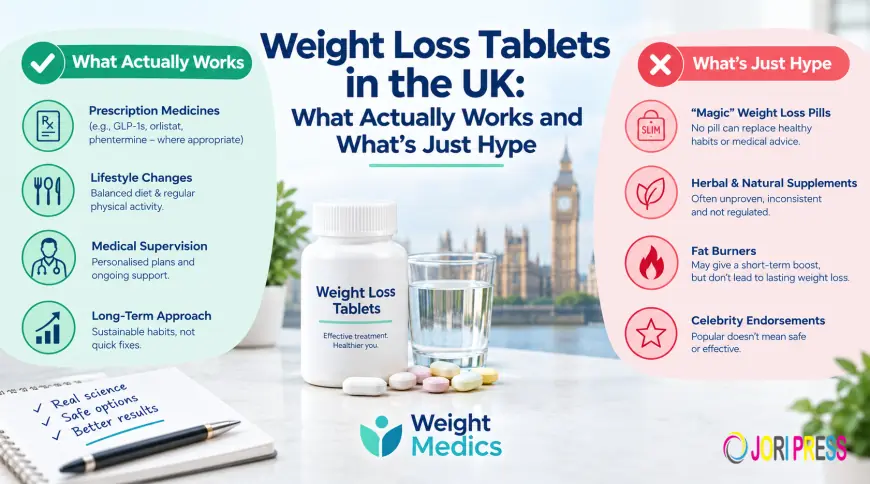
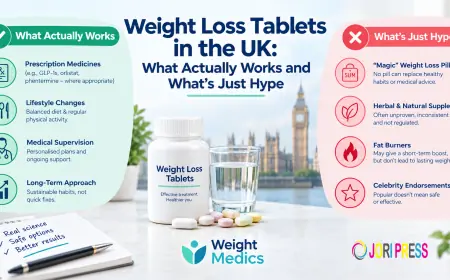
Only a handful of weight loss tablets in the UK have real clinical evidence behind them, and every one of them needs a prescription. The rest of the shelf, from "fat burners" to miracle capsules advertised on social media, ranges from mildly useless to genuinely dangerous.
That gap matters more than ever in 2026. The UK regulator approved two brand new GLP1 tablets this year, and search interest has exploded. So has the number of sellers trying to cash in. If you're wondering which pills are worth talking to a clinician about and which ones belong in the bin, here's an honest breakdown.
What actually works: prescription tablets with real evidence
The Wegovy pill (oral semaglutide)
In June 2026 the MHRA approved a tablet form of Wegovy, the first GLP1 pill licensed for weight loss in the UK (Pharmaphorum). It uses the same active ingredient as the Wegovy injection, semaglutide, which works on the hormone that controls appetite and fullness. In clinical trials, people taking the highest dose lost roughly 13 to 14 percent of their body weight over about 15 months, which puts it in the same league as the weekly jab.
The catch? It has to be taken on an empty stomach with a small sip of water, and you then need to wait before eating or drinking anything else. Some people find that routine annoying. Others are simply relieved to avoid needles.
Foundayo (orforglipron)
Foundayo is made by Eli Lilly, the company behind Mounjaro. The MHRA authorised it on 10 August 2026, making the UK the first country in Europe to approve it (GOV.UK). Its big selling point is convenience: it's taken once a day at any time, with no rules about food or water (LBC).
It's licensed for adults with a BMI of 30 or above, or a BMI between 27 and 30 plus at least one weight related health condition (Pharmaceutical Journal). In the main ATTAIN trial, average weight loss at the top dose was around 12 percent after roughly 17 months. If you want a closer look at the numbers, this guide to Foundayo weight loss results breaks them down dose by dose.
Both of these GLP1 pills are now offered privately as Daily Weight Loss Tablets, and neither is currently available on the NHS for weight loss. NICE guidance on orforglipron is due on 18 November 2026 (Pharmaceutical Journal).
Orlistat
Orlistat is the old faithful. It blocks about a third of the fat you eat from being absorbed, and it's available on prescription (Xenical) and in a lower strength from pharmacies (Alli). Results are modest, usually a few extra kilos over a year compared with diet alone. Eat a fatty meal while taking it and you'll quickly learn about its digestive side effects.
The older appetite suppressants: phentermine and diethylpropion
Before GLP1 medicines arrived, appetite suppressants were the main tablet option. Phentermine and diethylpropion act on the brain's stimulant pathways to reduce hunger, and they can produce noticeable weight loss in the first few months.
They come with real limits, though. Both are controlled drugs, they're meant for short term use only (typically up to 12 weeks), and they aren't licensed medicines in the UK. A doctor can still prescribe them privately on their own responsibility. Side effects can include a racing heart, raised blood pressure, insomnia and dry mouth, so they're unsuitable for anyone with heart problems, high blood pressure, anxiety or a history of substance misuse.
For the right person, under proper supervision, Phentermine & Diethylpropion Tablets UK can offer a short boost while new eating habits take hold. They're a starting push, not a long term plan.
Tablets or injections: which is better?
Honestly, it depends on you. Weekly Mounjaro and Wegovy injections still have the longest track record, and Mounjaro in particular has produced the biggest average weight loss of any licensed treatment, often above 20 percent in trials.
The new tablets close much of that gap. They suit people who dislike needles, travel a lot, or struggle to keep pens refrigerated. On the other hand, a daily pill is easier to forget than a weekly jab, and missed doses chip away at results.
|
|
GLP1 tablets |
GLP1 injections |
|---|---|---|
|
How often |
Once a day |
Once a week |
|
Needles |
None |
Small pen injection |
|
Typical trial weight loss |
About 12 to 14% |
About 15 to 22% |
|
Storage |
Room temperature |
Fridge before first use |
Side effects are similar across both forms: nausea, constipation, diarrhoea and reduced appetite, usually easing as the dose settles.
What's just hype
Over the counter "fat burners"
Green tea extract, raspberry ketones, garcinia cambogia, glucomannan and high dose caffeine pills fill supermarket and online shelves. Most have little or no good quality evidence for meaningful weight loss. At best you might lose a kilo or so. At worst, some products have been linked to liver damage, and high caffeine blends can trigger palpitations.
"GLP1 boosting" supplements
Since Wegovy and Mounjaro became household names, a wave of supplements has appeared claiming to "naturally boost GLP1" or work like "nature's Ozempic". These are marketing slogans, not medicine. No supplement comes close to the effect of a prescription GLP1 drug.
Fake and unregulated pills
The most dangerous hype of all is counterfeit medication. Sellers on social media, messaging apps and unregulated websites offer "weight loss tablets" with no prescription and no questions asked. Tests on seized products have found wrong doses, banned stimulants and in some cases no active drug at all. If a website doesn't ask about your health, check your BMI or involve a registered prescriber, walk away.
How to choose a weight loss tablet safely
A few simple checks separate a legitimate service from a risky one. Make sure the provider is registered with the General Pharmaceutical Council (GPhC) or the Care Quality Commission (CQC). Expect a proper medical questionnaire, and ideally a weight or BMI check. Look for ongoing support, such as dose reviews and someone to contact about side effects. Be wary of anyone promising guaranteed results or selling prescription drugs without a consultation.
The bottom line: the tablets that work are prescription medicines with published trial data, and they work best alongside better eating and more movement. If you'd like professional guidance on which option suits your health, BMI and lifestyle, Weight Medics offers clinician led assessments for tablets and injections alike.
FAQs
What is the most effective weight loss tablet in the UK?
The Wegovy pill and Foundayo are currently the most effective licensed tablets, with average trial weight loss of roughly 12 to 14 percent at the highest doses. Results vary from person to person.
Can I buy weight loss tablets without a prescription?
Only low strength orlistat (Alli) is sold in pharmacies without a prescription. Wegovy tablets, Foundayo, phentermine and diethylpropion all require a prescription from a registered clinician.
Are weight loss tablets available on the NHS?
Orlistat can be prescribed on the NHS. Foundayo isn't currently available on the NHS and is being assessed by NICE, so for now the new GLP1 tablets are mainly accessed through private prescription.
Who can take GLP1 weight loss tablets?
Generally adults with a BMI of 30 or more, or 27 to 30 with a weight related condition such as type 2 diabetes or high blood pressure. A clinician will check your medical history first.
Do weight loss tablets have side effects?
Yes. GLP1 tablets commonly cause nausea, constipation or diarrhoea, especially early on. Appetite suppressants can raise heart rate and blood pressure. Always discuss side effects with your prescriber.
Will I regain weight when I stop?
Many people regain some weight after stopping GLP1 medicines, which is why lasting changes to diet and activity matter so much while you're on treatment.
What's Your Reaction?
 Like
0
 Dislike
0
 Love
0
 Funny
0
 Angry
0
 Sad
0
 Wow
0