






































Plastic Preform Moulds for Efficient Manufacturing Processes

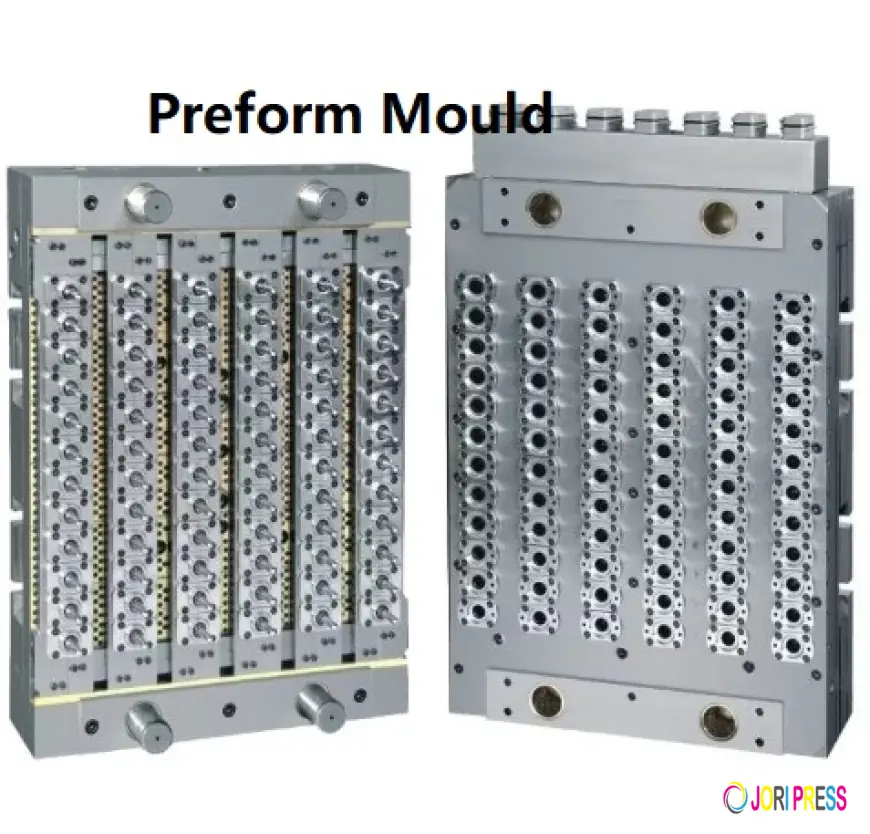
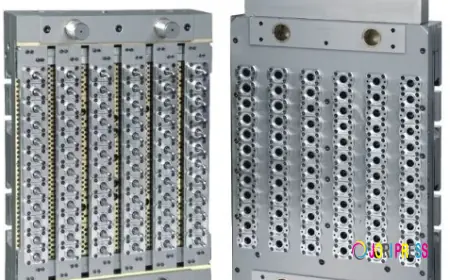
In the plastic packaging industry, the quality of bottle production begins long before the final container takes shape. Plastic Preform Moulds play an important role in determining preform dimensions, material distribution, and production consistency. For manufacturers developing different bottle styles, Plastic Preform Moulds provide the tooling foundation needed to transform plastic raw materials into preforms that can later be heated and stretched into finished containers. Choosing suitable mold structures requires attention to product specifications, processing conditions, and manufacturing objectives.
How Preform Design Influences Final Bottle Quality
A plastic preform is an intermediate product used in processes such as injection stretch blow molding. Its dimensions and structural characteristics influence the appearance and performance of the finished bottle.
The neck finish is particularly important because it determines how the bottle connects with caps and closures. Thread dimensions, sealing surfaces, and neck height need to match the intended packaging design.
The body section also requires careful planning. Wall thickness distribution, overall length, and material allocation can influence how the preform stretches during the subsequent heating and blowing stages.
Manufacturers should therefore consider the final bottle application when developing preform specifications. A suitable design can help improve compatibility between the preform and downstream production equipment while supporting consistent container manufacturing.
Choosing Mold Configurations for Different Applications
Different packaging products require different preform structures. Beverage containers, household liquid bottles, cosmetic packaging, and food containers may have different neck finishes, body dimensions, and material requirements.
Mold configuration should reflect these product differences. Cavity quantity, cavity arrangement, mold dimensions, and injection system design all influence how the tooling operates within a production environment.
Multi-cavity configurations can support higher output requirements, while individual cavity design needs to maintain dimensional consistency across the mold. Cooling channel arrangements are also important because temperature distribution influences the solidification process.
Before selecting a mold configuration, manufacturers should evaluate their injection molding machines, expected production volume, preform specifications, and available factory space. These details help establish whether the proposed tooling is compatible with actual operating conditions.
QH Preform Mould: Customized Tooling Development
For manufacturers developing specialized bottle packaging, customized tooling can help address product requirements that standard mold configurations may not fully accommodate. QH Preform Mould provides a reference for businesses exploring plastic preform and related packaging mold solutions.
A customized project generally begins with technical communication. Buyers can provide product drawings, neck finish specifications, preform dimensions, and information about the intended bottle application.
The engineering team can then evaluate mold structure, cavity layout, cooling arrangements, and other relevant components. These considerations help establish a tooling design that corresponds to the proposed manufacturing process.
During development, machining quality and component coordination are important. Mold plates, cavities, cores, and other precision components need to fit together correctly to support stable operation.
Trial production provides another opportunity to evaluate the mold. Manufacturers can inspect sample preforms and review dimensions, surface appearance, and molding conditions before proceeding with regular production.
Material Processing and Temperature Management
PET is widely used in bottle preform manufacturing because of its suitability for packaging applications and subsequent stretch-blow molding processes. However, the material requires appropriate processing conditions to achieve the intended product characteristics.
Temperature management is an important part of injection molding. The plastic must reach a suitable processing condition before entering the mold cavities. Cooling then allows the preform to solidify and maintain its required shape.
Uneven cooling may contribute to dimensional variation or other molding issues. For this reason, cooling channel positioning and temperature control should be considered during mold design.
Manufacturers also need to pay attention to drying conditions, injection parameters, and material handling. These production factors work together with mold structure to influence preform quality.
A coordinated approach to material processing and tooling design can help businesses establish more consistent manufacturing procedures.
Mold Maintenance and Production Quality Control
Long-term mold performance depends on regular inspection and maintenance. Even well-designed tooling requires appropriate care to maintain dimensional accuracy and stable operation.
Manufacturers should regularly inspect cavity surfaces, cooling channels, sealing areas, and moving components. Cleaning deposits and checking for wear can help prevent avoidable production interruptions.
Quality control should also include dimensional inspection of finished preforms. Neck dimensions, overall length, weight consistency, and surface appearance are useful checkpoints during production evaluation.
When unexpected variations occur, manufacturers should review both processing parameters and mold conditions rather than focusing on a single factor. This approach can help identify the source of production problems more effectively.
What's Your Reaction?
 Like
0
 Dislike
0
 Love
0
 Funny
0
 Angry
0
 Sad
0
 Wow
0