







































Top Warning Signs of Poor Indoor Air Quality in Your Home
s your home's air making you feel unwell? Learn the top warning signs of poor indoor air quality and when an air duct cleaning service in Los Angeles helps.
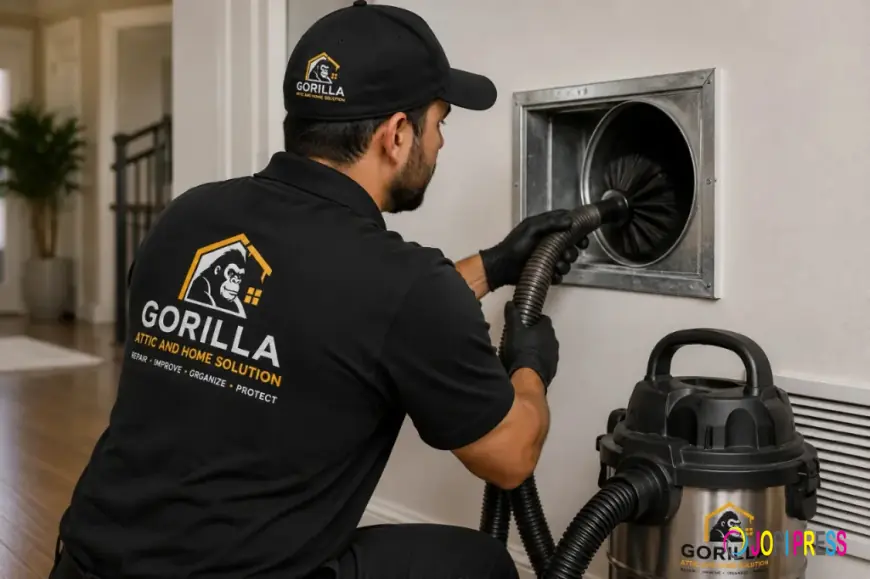
Most people assume the air inside their home is automatically cleaner than the air outside, but that's not always true. In fact, indoor air pollution can sometimes be two to five times worse than outdoor air, especially in homes with older HVAC systems or ducts that haven't been cleaned in years. If you've been feeling more tired, congested, or just "off" while at home, your indoor air quality could be the reason, and it's worth learning what to look for.
This guide breaks down the most common warning signs of poor indoor air quality, what usually causes them, and when it might be time to consider an air duct cleaning service in Los Angeles to help clear things up. Whether you're dealing with a stuffy house or unexplained allergy symptoms, understanding these signs early can make a real difference in your comfort and health.
Why Indoor Air Quality Matters More Than You Think
We spend a huge portion of our lives indoors, at home, at work, in the car, which means the quality of that air has a bigger impact on our health than most people realize. Poor indoor air quality has been linked to headaches, fatigue, respiratory irritation, and worsened allergy or asthma symptoms. Over time, it can even affect sleep quality and overall energy levels.
Your HVAC ducts play a central role in this. They circulate air throughout your entire home, which means anything trapped inside them, dust, pet dander, mold spores, or debris, gets recirculated every time your system runs. If those ducts are dirty or poorly maintained, they can quietly contribute to air quality problems without you ever realizing the source.
Common Warning Signs of Poor Indoor Air Quality
Some signs are obvious, while others are easy to dismiss as unrelated issues. Here's what to watch for.
|
Warning Sign |
What It Might Mean |
|
Persistent dust buildup on furniture |
Dust circulating through dirty ducts or filters |
|
Musty or stale odor, especially near vents |
Mold or mildew growth inside the ductwork |
|
Frequent headaches or fatigue at home |
Poor ventilation or trapped pollutants |
|
Worsening allergy or asthma symptoms indoors |
Dust mites, pet dander, or mold in the air |
|
Visible mold near vents or on ceilings |
Moisture buildup in the HVAC system |
|
Uneven airflow between rooms |
Blocked or clogged ducts |
|
Increased respiratory irritation or coughing |
Poor air filtration or circulation |
If you're noticing two or more of these signs, it's a strong indication that something in your home's air system needs attention.
What Causes Indoor Air Pollution?
Indoor air pollution doesn't usually come from one single source, it's often a combination of everyday factors that build up over time.
-
Dust and debris that accumulate inside HVAC ducts and get recirculated
-
Mold and mildew growing in damp or poorly ventilated areas, including ductwork
-
Pet dander and hair that settle into vents and carpets
-
Household chemicals, including cleaning products and air fresheners
-
Poor ventilation, which traps pollutants indoors instead of letting them escape
-
Outdated or dirty filters that fail to catch airborne particles effectively
Homes that are well-sealed for energy efficiency can actually make this worse, since less fresh air naturally flows in and out, trapping pollutants inside for longer.
The Role of HVAC Ducts in Air Quality
It's easy to overlook your ductwork since it's hidden behind walls and ceilings, but it plays a bigger role in your indoor air than most people expect. Over months and years, ducts can accumulate dust, debris, and even mold, especially in humid conditions or homes with pets. Every time your heating or cooling system runs, that buildup gets pushed back into the air you breathe.
Signs that your ducts specifically might be part of the problem include:
-
Dust returning quickly after cleaning
-
A noticeable odor when the HVAC system turns on
-
Visible dust or debris around vent covers
-
Ducts that haven't been inspected or cleaned in three or more years
If any of these sound familiar, it may be worth having your ductwork professionally inspected rather than just replacing filters more often.
Indoor Air Quality Symptoms vs. Everyday Tiredness
One of the trickiest parts of identifying poor indoor air quality is that the symptoms can feel like everyday fatigue or seasonal allergies. Here's a simple way to compare:
|
Symptom Pattern |
Likely Everyday Cause |
Possible Air Quality Cause |
|
Tired only after a long day |
Normal fatigue |
Less likely |
|
Tired mainly while at home, better elsewhere |
Could be work-related |
More likely air-related |
|
Sneezing only during pollen season |
Seasonal allergies |
Less likely |
|
Sneezing or congestion year-round indoors |
Ongoing exposure |
More likely air-related |
|
Occasional headache |
Stress, screen time |
Less likely |
|
Headaches specifically at home, easing outdoors |
Could be many things |
Worth investigating air quality |
This isn't a diagnostic tool, but noticing a pattern like this can help you decide whether it's worth looking deeper into your home's air system.
Simple Steps to Improve Indoor Air Quality
Before jumping to bigger fixes, there are a few things worth trying first:
-
Replace HVAC filters regularly – Every 1 to 3 months, depending on usage and whether you have pets.
-
Increase ventilation – Open windows when weather allows, and use exhaust fans in kitchens and bathrooms.
-
Control humidity – Keep indoor humidity between 30-50% to discourage mold growth.
-
Vacuum and dust frequently – Use a vacuum with a HEPA filter if possible.
-
Limit indoor pollutant sources – Reduce use of strong chemical cleaners and synthetic air fresheners.
If you've tried these steps and symptoms persist, especially musty odors or visible dust returning quickly, the issue may be deeper inside your ventilation system rather than something surface cleaning can fix.
When to Consider Professional Duct Cleaning
If your home is showing multiple warning signs, especially odors near vents, visible dust buildup, or ongoing respiratory irritation, it may be time to look into an air duct cleaning service in Los Angeles rather than continuing to manage symptoms with filters alone. Professional cleaning removes built-up dust, debris, and potential mold from inside the ductwork itself, addressing the source rather than just filtering the air after the fact.
This is particularly worth considering if:
-
You've recently completed a home renovation
-
You've noticed pest activity in your attic or crawl spaces
-
Your ducts haven't been cleaned in 3+ years
-
A household member has developed new or worsening respiratory symptoms
-
You're moving into a home with an older or unknown HVAC history
Homeowners working with a company like Gorilla Attic & Home Solutions often find that addressing the ductwork directly resolves lingering air quality issues that filters and air purifiers alone couldn't fix.
Frequently Asked Questions
1. What are the most common signs of poor indoor air quality? Common signs include persistent dust buildup, musty odors near vents, frequent headaches or fatigue at home, worsening allergy symptoms indoors, and visible mold near ceilings or vents.
2. Can dirty HVAC ducts really affect air quality? Yes. Dust, debris, and mold that build up inside HVAC ducts get recirculated throughout the home every time the system runs, which can significantly worsen indoor air pollution over time.
3. How often should air ducts be cleaned? Most homes benefit from having ducts inspected and cleaned every 3 to 5 years, though homes with pets, recent renovations, or visible mold may need it sooner.
4. How can I tell if my symptoms are related to indoor air quality? A useful clue is whether symptoms like headaches, congestion, or fatigue improve when you're away from home and return once you're back. This pattern often points to an air quality issue rather than an unrelated cause.
5. Is indoor air pollution really worse than outdoor air pollution? In many cases, yes. Because homes are often sealed for energy efficiency, pollutants like dust, mold spores, and chemical residues can become trapped indoors, sometimes making indoor air quality significantly worse than outdoor air.
Final Thoughts
Poor indoor air quality often builds up quietly, showing up as everyday tiredness, occasional headaches, or mild allergy symptoms before it's recognized as an actual air quality issue. Paying attention to patterns, especially symptoms that ease when you're away from home, can help you catch the problem early. In many cases, HVAC ducts play a bigger role than people expect, quietly recirculating dust, debris, and allergens throughout the home.
If you're noticing several of the warning signs covered in this guide, it's worth taking a closer look at your home's ventilation system rather than assuming it's just seasonal allergies or normal fatigue. Addressing the root cause can make a noticeable difference in how you feel at home, every single day.
What's Your Reaction?
 Like
0
Like
0
 Dislike
0
Dislike
0
 Love
0
Love
0
 Funny
0
Funny
0
 Angry
0
Angry
0
 Sad
0
Sad
0
 Wow
0
Wow
0