






































True Cost of Ignoring Dangerous Trees on Your Property
Discover the real financial, safety, and legal costs of neglecting dangerous trees and why expert arborists stress regular tree maintenance.

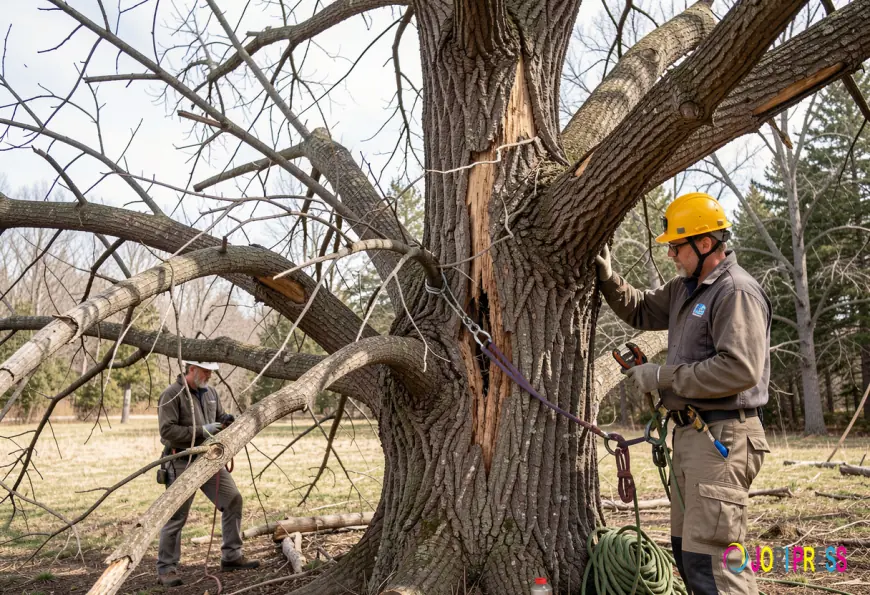
Trees are among the most valuable features of any property. They provide shade, enhance curb appeal, improve air quality, and even increase property value. But while they’re often seen as low-maintenance, trees can become dangerous when neglected. Over time, factors such as disease, storms, poor soil, or root damage can compromise their stability. Many homeowners underestimate the real risks of ignoring these warning signs, and the consequences can be severe, both financially and personally.
Below, we explore the true cost of overlooking dangerous trees and why professional tree services in Sydney and beyond emphasise regular inspection and maintenance.
1. Property Damage: The Most Immediate Risk
The first and most obvious consequence of neglecting hazardous trees is property damage. Weak or dying branches can break off suddenly during strong winds or heavy rain. These falling limbs can easily damage roofs, vehicles, fences, sheds, and even nearby power lines.
A complete tree collapse can be catastrophic. The cost of repairing structural damage often far exceeds what preventive maintenance would have cost. In some cases, property owners face repair bills in the tens of thousands of dollars, all because a simple inspection or pruning was overlooked. Regular maintenance and early detection by certified arborists can help identify such risks long before they escalate.
2. Threats to Safety and Human Life
When trees become unstable, they pose a direct danger to people and animals around them. Falling branches or entire trees can cause serious injuries or fatalities. Children playing under a weak tree or family members walking through the garden may be at risk without realising it.
Arborists are trained to assess the structural integrity of trees. They look for signs such as hollow trunks, cracks, decay, and root instability, issues that are often invisible to an untrained eye. Professional assessments ensure that hazards are addressed before they cause accidents, keeping your family and visitors safe.
3. Legal and Liability Consequences
If a dangerous tree on your property causes injury or damages a neighbour's property, you could be legally responsible. Property owners have a duty of care to maintain their land and prevent foreseeable hazards. Courts often view neglected trees as a clear sign of negligence.
In such situations, you might face costly legal battles, compensation claims, and increased insurance premiums. Proving that you took reasonable care, such as by scheduling regular tree maintenance or consulting arborists, can make a major difference in avoiding liability. Ignoring visible signs of danger, however, leaves you exposed to both legal and financial risks.
4. Insurance Complications and Denied Claims
While homeowners' insurance can cover damage from unexpected events, insurers often deny claims if they determine the incident was preventable. A tree that was clearly decaying or leaning dangerously before it fell might not be considered an “accident.”
Insurance companies expect homeowners to perform regular upkeep, which includes managing trees that could threaten property or safety. Neglecting this responsibility can not only result in denied claims but also impact future premium rates. Maintaining documentation of regular tree care can help demonstrate responsible ownership if an incident occurs.
5. Long-Term Financial Burden
Ignoring a dangerous tree rarely saves money; it usually does the opposite. A small maintenance issue, like pruning or disease treatment, can turn into a full-scale emergency removal if neglected. Emergency tree removal, especially after storm damage, often costs significantly more than routine maintenance.
Additionally, property damage, legal fees, and potential injury claims add to the long-term financial burden. By investing in preventive care early on, you save yourself from much larger expenses later. As arborists often remind property owners, proactive maintenance always costs less than reactive repair.
6. Environmental and Aesthetic Consequences
A neglected or diseased tree doesn’t just endanger your property; it affects your landscape’s overall health and beauty. Dead or decaying trees can spread pests and fungal infections to nearby vegetation. Over time, this can damage the entire garden ecosystem.
From an aesthetic perspective, dying trees reduce your property’s visual appeal. Brown leaves, falling limbs, and decayed bark send a clear signal of neglect. In contrast, regular pruning and maintenance not only prevent hazards but also enhance your outdoor environment’s health and symmetry.
7. Warning Signs You Shouldn’t Ignore
Recognising early warning signs is key to preventing major problems. Look out for the following indicators that your tree may be dangerous:
-
Dead or hanging branches, especially after storms
-
Cracks or splits in the trunk
-
Mushrooms or fungal growth at the base (a sign of internal decay)
-
Leaning or uprooted trees after heavy rain
-
Sparse or uneven foliage, suggesting disease or poor health
-
Roots lifting from the soil or cracking nearby pavement
If you notice any of these symptoms, schedule a professional inspection immediately. Arborists can determine whether the tree can be stabilised or if removal is the safest option.
8. The Role of Arborists and Tree Services
Qualified arborists bring specialised knowledge and equipment to evaluate and manage tree health safely. They perform detailed risk assessments, prune safely, remove hazardous trees, and offer advice on preventing future issues.
Tree services in Sydney and other regions often use modern techniques to detect decay and structural weakness early. Regular assessments help homeowners maintain compliance with local safety regulations while protecting property and loved ones.
Final Thoughts
Ignoring dangerous trees might seem harmless at first, but the consequences can be far-reaching. From financial losses and safety risks to legal troubles and insurance disputes, the true cost of neglect is high. Proactive tree maintenance and timely intervention from trained arborists are the most effective ways to safeguard your home and family.
By addressing risks early, you not only prevent potential disasters but also contribute to a safer, healthier, and more beautiful environment for everyone.
What's Your Reaction?
 Like
0
Like
0
 Dislike
0
Dislike
0
 Love
0
Love
0
 Funny
0
Funny
0
 Angry
0
Angry
0
 Sad
0
Sad
0
 Wow
0
Wow
0