





































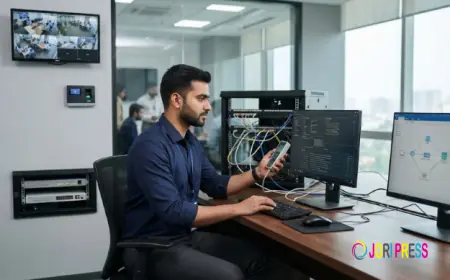

SPEL Training: Advance Your Industrial Electrical Design Knowledge
Learn SPEL Training to develop industrial electrical design skills, understand engineering tools, and gain practical knowledge for professional career growth.


Electrical engineering is a critical part of every industrial facility. Refineries, power plants, manufacturing units, and petrochemical industries depend on properly designed electrical systems to maintain reliable operations. These projects involve numerous electrical components, equipment records, cables, distribution systems, and technical documents that must be coordinated throughout the engineering lifecycle.
Managing this information requires more than conventional drafting skills. Engineering professionals need to understand how electrical data is created, connected, reviewed, and maintained using specialized software. SmartPlant Electrical (SPEL) provides a structured environment for handling these activities.
SPEL Training helps electrical engineers, designers, CAD professionals, and engineering graduates develop practical knowledge of SmartPlant Electrical. It introduces the application, its major functions, and the workflows used to manage electrical engineering information in industrial projects. With the right training approach, learners can improve their understanding of equipment management, electrical loads, cable information, schematic documentation, and engineering reports.
Understanding the Role of SmartPlant Electrical in Industrial Projects
SmartPlant Electrical is an engineering application developed to support electrical design and documentation for industrial facilities. It helps engineering teams create and maintain electrical equipment information and establish relationships between different electrical components.
The application supports the management of engineering data throughout the project lifecycle. Its capabilities include equipment information management, electrical load requirements, cable sizing, electrical relationships, and the generation of engineering drawings and reports.
For example, an EPC project may include hundreds of motors, transformers, distribution panels, and electrical cables. Each component has specific technical properties and relationships with other elements of the electrical system. Maintaining these details across separate documents can become difficult.
SmartPlant Electrical provides a structured approach to managing this information. Engineers can work with equipment records, reference data, electrical relationships, and associated documentation within the project environment.
Why Should Professionals Consider SPEL Training?
Learning specialized electrical engineering software can help professionals expand their technical capabilities. It also provides an opportunity to understand how digital engineering workflows support industrial project execution.
Develop Industry-Relevant Software Skills
Electrical design professionals frequently work with engineering drawings, equipment schedules, technical specifications, and project databases. Familiarity with SmartPlant Electrical can help them understand how these elements are managed within an integrated engineering environment.
Training introduces the application interface, navigation, project structure, and commonly used functions. This foundation helps learners become familiar with the software before performing detailed engineering activities.
Improve Electrical Equipment Management
Electrical equipment information must be accurate and properly maintained. Incorrect identification details or incomplete equipment properties can create coordination challenges during project execution.
SPEL training introduces methods for creating, modifying, and maintaining plant items. Learners can understand how equipment information is organized and how properties are associated with electrical objects.
Understand Electrical System Relationships
An industrial electrical system contains interconnected equipment and distribution components. Engineers must understand how these elements relate to one another.
SmartPlant Electrical supports the creation and management of electrical relationships. Learning these workflows helps participants understand how equipment information contributes to the overall electrical infrastructure.
Strengthen Documentation and Reporting Skills
Electrical engineering projects require reliable documentation for design reviews, procurement, construction, and maintenance activities.
Training introduces reporting and tabular editing capabilities that help users retrieve, review, and organize engineering information. These skills can support more consistent documentation practices.
Essential Topics Covered in a SPEL Training Course
A practical SPEL Training Course should cover the major software functions and explain their application through relevant engineering exercises. The following modules provide a useful learning structure.
1. Introduction to SmartPlant Electrical
The introductory module explains the purpose of the software and its importance in industrial electrical engineering.
Participants learn about the working environment, application interface, navigation tools, and basic terminology. They also develop an understanding of how electrical information is organized within a project.
2. Reference Data and Equipment Libraries
Reference data provides reusable information that can be applied when creating electrical equipment and other project objects.
Training may include:
- Creating and using reference data
- Developing equipment profiles
- Working with lookup tables
- Maintaining standard equipment information
- Applying reference data to plant items
- Understanding data consistency
These concepts help learners understand how standardized information supports efficient engineering activities.
3. Plant Item Creation and Modification
Plant items represent electrical equipment and components within the project environment.
Learners explore how to create and modify plant items, maintain their properties, and work with common information associated with electrical loads and equipment.
This module is particularly useful for electrical designers and professionals responsible for maintaining project equipment records.
4. Electrical Load Management
Electrical loads are important elements of industrial power system design. Engineers need to maintain load information and understand how it relates to distribution equipment.
A practical learning program may cover:
- Creating and managing loads
- Maintaining load properties
- Load associations
- Busload summaries
- Batch load association
- Reviewing common properties of loads and plant items
These activities help participants understand how electrical load information is managed within SmartPlant Electrical.
5. Power Distribution Equipment
Power distribution equipment forms an important part of an industrial electrical network. Its information must be maintained accurately to support engineering coordination.
Training introduces the management of distribution-related equipment and its relationships with other electrical components. Participants can understand how the software organizes information required for electrical project documentation.
6. Wiring Equipment and Cable Management
Wiring and cable information is essential for connecting electrical equipment and documenting electrical systems.
The course may introduce wiring equipment creation, cable connections, cable sizing workflows, and gland associations. Learners can understand how these records support electrical engineering deliverables.
Actual cable sizing and selection must follow the applicable engineering calculations, project specifications, and relevant standards. Software training should not replace professional engineering verification.
7. Single-Line Diagrams and Schematic Documentation
Single-line diagrams provide a simplified representation of electrical distribution systems. Schematics and wiring drawings communicate important details about electrical connections and components.
SmartPlant Electrical supports the generation of single-line diagrams, schematic drawings, wiring drawings, and cable block diagrams based on engineering data.
Training can help participants understand the relationship between electrical project information and graphical documentation.
8. Tabular Editor and Engineering Reports
The Tabular Editor allows users to view and edit information for selected engineering items. It can also support batch assignment of properties.
Reporting-related learning may include:
- Registering engineering reports
- Working with the Tabular Editor
- Customizing Excel reports
- Managing report revisions
- Reviewing equipment information
- Updating select lists
These functions are useful when working with engineering schedules, equipment records, and project documentation.
SPEL User Training and SPEL Advanced Training
Professionals should select their learning path according to their responsibilities and existing software knowledge.
SPEL User Training
SPEL User Training focuses on the practical functions required for everyday electrical engineering activities.
It is suitable for electrical designers, engineers, draftsmen, and other project professionals who need to create and maintain electrical information.
Common learning topics include reference data, plant items, wiring equipment, load management, load associations, reports, cable connections, and equipment properties.
SPEL Advanced and Administration Training
Advanced or administration-focused training is more suitable for professionals responsible for managing and customizing the application environment.
Depending on the course syllabus, advanced topics may include:
- SmartPlant Engineering Manager
- Data Dictionary Manager
- Format Manager
- Filter Manager
- Catalogue Manager
- SPEL Rule Manager
- SPEL Option Manager
- Import Manager
- Schematic template customization
- Single-line diagram customization
- Wiring diagram customization
- Cable block diagram customization
- Report customization and revision management
These topics help learners understand application administration, configuration, and customization activities.
Before enrolling, review the course syllabus carefully because user-level and administration-level programs cover different responsibilities.
Industries Where SmartPlant Electrical Skills Are Relevant
SmartPlant Electrical is designed for industrial electrical engineering environments. Its application can be relevant to several sectors.
Oil and gas: Refineries, offshore facilities, and processing plants require detailed electrical equipment information, distribution records, and project documentation.
Petrochemical industries: Chemical processing facilities involve interconnected electrical systems that require accurate engineering data and multidisciplinary coordination.
Power generation: Power plants depend on electrical equipment information, distribution arrangements, and technical documentation throughout their development and operation.
Manufacturing: Industrial manufacturing facilities require organized electrical information for production equipment, utility systems, and plant infrastructure.
Engineering and EPC companies: EPC organizations coordinate engineering, procurement, and construction activities. Structured electrical information helps project teams maintain consistency across engineering deliverables.
Infrastructure development: Large infrastructure projects may require specialized electrical design information and coordinated documentation.
Who Can Benefit from SPEL Software Training?
SPEL training can be useful for professionals who want to develop or improve their knowledge of industrial electrical engineering applications.
- Electrical engineers: Learn software-based methods for organizing electrical equipment and project information.
- Electrical designers: Understand plant items, electrical relationships, cable information, and engineering documentation.
- CAD professionals: Expand existing drafting knowledge with specialized electrical engineering software skills.
- EPC engineers: Develop familiarity with electrical data workflows used in industrial projects.
- Engineering graduates: Gain exposure to software used in industrial electrical design environments.
- Project documentation professionals: Understand how electrical records and reports are organized.
- Application administrators: Develop knowledge of software configuration and administration functions through advanced training.
Basic electrical engineering knowledge and familiarity with technical drawings can make the learning process easier.
Career Opportunities After SPEL Training
Specialized engineering software knowledge can complement academic qualifications and professional experience. After developing practical skills, learners may consider career opportunities related to electrical design, plant engineering, and engineering data management.
Potential roles include:
- Electrical Design Engineer
- SmartPlant Electrical Designer
- Electrical CAD Designer
- Plant Electrical Engineer
- Electrical Engineering Technician
- EPC Electrical Engineer
- Electrical Documentation Specialist
- SmartPlant Electrical Administrator
Career progression depends on several factors, including educational qualifications, practical software proficiency, electrical engineering knowledge, project experience, and employer requirements.
Training provides a foundation, but learners should continue practicing software workflows and developing their understanding of industrial electrical design principles.
How to Select the Best SPEL Training Program
Choosing a suitable course is an important step toward achieving your learning objectives. Consider the following points before enrolling.
Check the Complete Course Curriculum
Review whether the syllabus includes reference data, plant items, loads, electrical relationships, wiring equipment, cable management, and reporting. Select a course that matches your intended job responsibilities.
Prioritize Practical Software Learning
Practical exercises help learners understand how software functions are used in engineering activities. Ask whether the training includes guided demonstrations, assignments, and project-based examples.
Evaluate Trainer Knowledge
An experienced instructor should be able to explain software functions and their connection to industrial electrical engineering workflows.
Confirm Software Access
Check the software version used during training and understand how access to the practice environment will be provided.
Compare Training Formats
Instructor-led online sessions, one-to-one learning, and corporate training are different learning options. Select the format that matches your schedule and learning requirements.
Understand Certification and Learning Support
Ask whether the course includes assessments, completion certificates, recorded sessions, and post-training assistance. Also distinguish a training completion certificate from an independent software certification.
Frequently Asked Questions About SPEL Training
What is SPEL Training used for?
SPEL Training helps professionals understand SmartPlant Electrical and its application in industrial electrical engineering. It covers equipment information, electrical loads, reference data, cable management, and engineering documentation.
Is SmartPlant Electrical suitable for beginners?
Beginners with basic electrical engineering knowledge can consider introductory user-level training. Learning the software interface and fundamental engineering terminology first can make advanced topics easier to understand.
What is the difference between SPEL User and Admin Training?
User training focuses on performing engineering activities within the software. Administration training covers application management, configuration, customization, and related administrative functions.
Does SPEL support single-line diagrams?
Yes. SmartPlant Electrical documentation describes the generation of single-line diagrams, schematic drawings, wiring drawings, and cable block diagrams using engineering data.
Can SPEL training improve career opportunities?
Training can strengthen a professional's software knowledge and support applications for relevant engineering roles. However, employment depends on practical skills, qualifications, experience, and industry requirements.
What should I learn before joining SPEL training?
Basic electrical engineering concepts, equipment terminology, and familiarity with technical drawings are useful starting points.
Conclusion
SmartPlant Electrical plays an important role in organizing electrical engineering information for industrial projects. Understanding its capabilities can help professionals work with equipment records, reference data, electrical loads, distribution systems, cable information, and engineering documentation more effectively. A well-planned learning program should combine software demonstrations with practical exercises and relevant industrial workflows. Multisoft Virtual Academy provides SPEL Training for electrical engineers, designers, CAD professionals, and working individuals who want to strengthen their SmartPlant Electrical knowledge and develop practical skills for industrial engineering projects.
What's Your Reaction?
 Like
0
 Dislike
0
 Love
0
 Funny
0
 Angry
0
 Sad
0
 Wow
0