








































Tooth Implant Dubai Price: Everything You Need to Know Before Treatment
Looking for a tooth implant Dubai price? Discover what affects dental implant costs in Dubai, what the procedure involves, and what to expect with Queen’s Elite Medical.

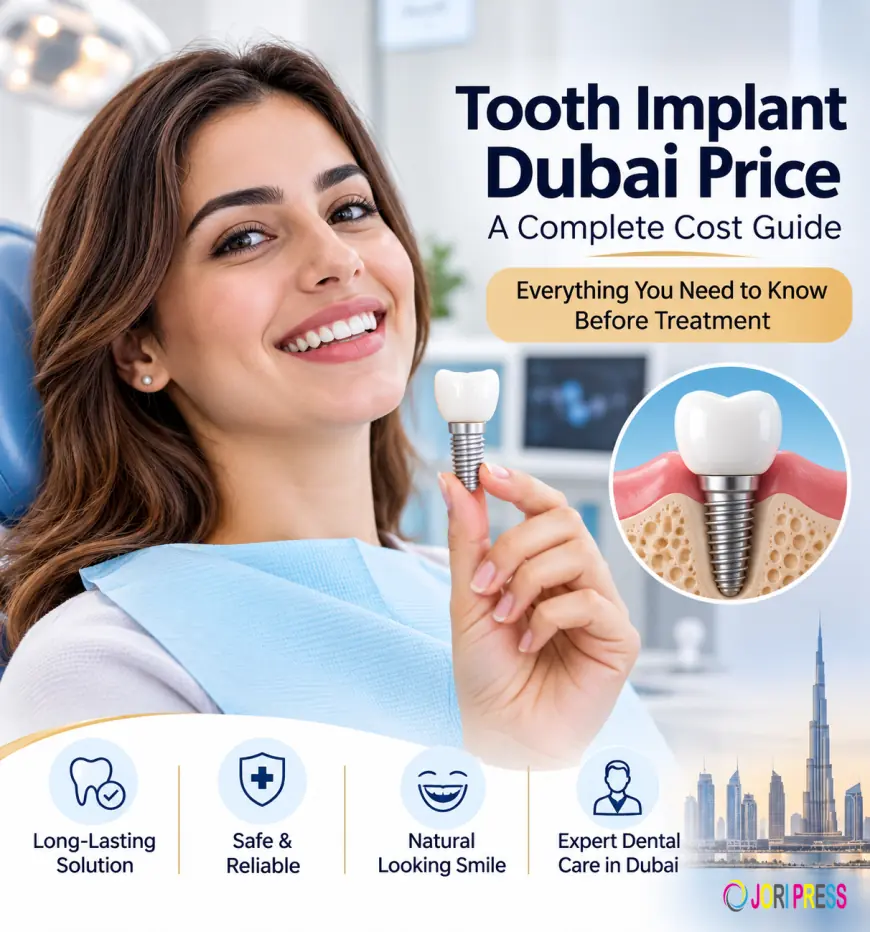
Understanding the tooth implant Dubai price requires looking beyond a single advertised number, as total treatment costs depend on your bone health, the implant brand used, and whether preparatory procedures are necessary. In Dubai, a dental implant is priced as a multi-stage medical restoration—typically covering the surgical placement of a titanium or zirconia post, the connecting abutment, and the custom-made prosthetic crown.
Because every patient’s oral anatomy differs, clinics in Dubai determine final pricing only after a clinical examination and 3D Cone Beam Computed Tomography (CBCT) imaging. Knowing what goes into your treatment plan helps you compare quotes accurately and avoid unexpected expenses during your recovery.
What Is a Dental Implant?
A dental implant is a permanent prosthetic replacement for a missing tooth root. Unlike removable dentures or traditional dental bridges that rely on neighboring teeth for support, an implant is surgically anchored directly into the jawbone.
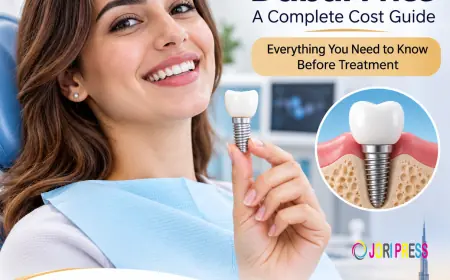
A complete single-tooth implant consists of three distinct components:
-
The Implant Fixture: A biocompatible screw—most commonly medical-grade titanium or ceramic zirconia—placed into the jawbone to act as an artificial root.
-
The Abutment: A small connector piece attached to the top of the implant once it has healed, holding the replacement tooth securely in place.
-
The Dental Crown: The visible, custom-shaded restoration (often crafted from zirconia or porcelain) designed to match the shape and function of your natural teeth.
What Influences Tooth Implant Prices in Dubai?
When researching the cost of dental implants in Dubai, you will notice significant variation across clinics. Rather than reflecting arbitrary pricing, these differences usually come down to specific clinical and material factors:
Note: Always ask for an itemized treatment plan that clearly separates the surgical fixture, the abutment, the final crown, and any diagnostic scans or grafting.
Benefits and Limitations of Dental Implants
Key Benefits
-
Jawbone Preservation: By transmitting chewing forces into the bone, implants stimulate natural bone remodeling and help prevent the facial sagging associated with tooth loss.
-
Protection of Adjacent Teeth: Unlike traditional bridges, implants do not require grinding down healthy neighboring teeth for support.
-
Natural Chewing Function: Once fused with the bone, implants restore strong bite force, allowing you to eat fibrous, crunchy, and everyday foods comfortably.
-
Long-Term Durability: With proper oral hygiene and routine dental checkups, the titanium fixture can last for decades, though the prosthetic crown may eventually need replacement due to normal wear.
Practical Limitations
-
Longer Treatment Timeline: Traditional implant treatment takes several months to allow for biological healing, making it slower than getting a removable denture or conventional bridge.
-
Surgical Requirement: Placement involves minor oral surgery under local anesthesia, accompanied by a short recovery period with mild swelling or soreness.
-
Higher Upfront Cost: While often more cost-effective over a lifetime, the initial financial commitment is higher than non-surgical tooth replacement options.
Candidacy: Who May or May Not Be Suitable?
Who May Be a Good Candidate
You may be suitable for dental implants if you have one or more missing or severely damaged teeth, fully developed jawbone growth (typically adults over 18), healthy gum tissue, and adequate bone density to stabilize the implant. Commitment to daily brushing, flossing, and regular dental visits is equally important.
Who May Not Be Suitable (or May Need Pre-Treatment)
Certain health and lifestyle factors can interfere with healing and bone integration:
-
Uncontrolled Systemic Conditions: Unmanaged diabetes or autoimmune disorders can slow tissue healing and increase infection risks.
-
Insufficient Jawbone Volume: Long-term tooth loss causes the jawbone to shrink; while not a permanent barrier, this usually requires bone grafting prior to implant placement.
-
Active Gum Disease: Untreated periodontitis must be resolved completely before surgery to prevent infection around the implant.
-
Heavy Smoking or Vaping: Nicotine restricts blood flow to the gums and significantly raises the risk of early implant failure.
-
Certain Medications: Patients taking intravenous bisphosphonates or undergoing active head and neck radiation require specialized medical evaluation before any oral surgery.
The Dental Implant Procedure: Step-by-Step
-
Consultation and 3D Diagnostics: Your dentist evaluates your medical history, examines your oral tissues, and takes a 3D CBCT scan to measure bone height, width, and density.
-
Preparatory Treatments (If Needed): If a damaged tooth needs extraction or the jawbone lacks sufficient volume, extraction and bone grafting are performed first.
-
Implant Placement: Under local anesthesia, the dentist gently places the implant post into the jawbone. A protective healing cap is usually placed over the site.
-
Osseointegration (Healing Phase): Over the next 3 to 6 months, the surrounding jawbone naturally fuses to the biocompatible surface of the implant, locking it in place. A temporary tooth may be provided for aesthetics during this stage.
-
Abutment and Impressions: Once integration is confirmed, the abutment is attached and digital scans or impressions are taken to design your custom crown.
-
Final Crown Placement: Your custom-crafted crown is securely fitted onto the abutment, and your bite is adjusted for comfortable, balanced chewing.
Results, Expectations, and Factors Affecting Outcomes
Patients should expect a steady, phased recovery rather than an instant transformation. Mild swelling, minor bruising, and localized tenderness are common for the first 48 to 72 hours after surgery and are typically managed with prescribed pain relief and cold compresses.
Several factors directly influence the long-term stability and appearance of your results:
-
Osseointegration Quality: Avoiding heavy biting forces on the healing implant during the first few months ensures stable bone attachment.
-
Gum Tissue Thickness: Healthy, thick gum tissue creates a natural seal around the crown and prevents dark metal margins from showing.
-
Bite Alignment: Teeth grinding (bruxism) or an uneven bite can place excessive mechanical stress on the implant components.
-
Clinical Execution: Precise 3D-guided angulation ensures the implant sits in optimal bone while supporting a natural-looking crown.
Risks and Clinical Considerations
As with any surgical procedure, dental implants carry potential risks that your clinician should discuss with you beforehand:
-
Peri-Implantitis: A localized inflammatory infection affecting the gums and bone around the implant, often linked to plaque buildup or smoking.
-
Failed Osseointegration: Occasionally, the bone fails to fuse properly with the implant post, requiring removal, healing time, and replacement.
-
Nerve Irritation or Sinus Involvement: In the lower jaw, implants placed too close to the inferior alveolar nerve can cause temporary or prolonged numbness; in the upper back jaw, proximity to the sinus cavity requires careful measurement.
-
Mechanical Wear: Over many years, abutment screws can loosen or ceramic crowns can chip, requiring routine maintenance.
Aftercare and Long-Term Maintenance
Immediate Post-Surgery Aftercare (First 7–14 Days)
-
Stick to soft, cool-to-lukewarm foods (such as yogurt, mashed vegetables, and smoothies) for the first few days, chewing on the opposite side of your mouth.
-
Avoid vigorous rinsing, spitting, or drinking through a straw for the first 24 hours to protect the surgical clot.
-
Keep the area clean using a gentle saltwater rinse or an antimicrobial mouthwash recommended by your dentist, avoiding direct brushing over the stitches until cleared.
-
Refrain from smoking and strenuous physical exercise for several days to minimize bleeding and swelling.
Ongoing Maintenance
Although an artificial crown cannot develop cavities, the surrounding gums and bone remain vulnerable to bacterial plaque. Brush twice daily with a soft-bristled toothbrush and low-abrasive toothpaste, clean around the abutment daily using interdental brushes or a water flosser, and schedule professional cleanings every six months. If you grind your teeth at night, wearing a custom nightguard protects both your implant crown and natural enamel.
Frequently Asked Questions (FAQs)
1. Why does the tooth implant price in Dubai vary so much between clinics?
Prices vary based on whether the quote includes only the surgical implant screw or the complete restoration (implant, abutment, and crown). Differences in implant manufacturer origin, 3D CBCT diagnostics, crown materials, and the need for bone grafting also affect the final cost.
2. Does a dental implant quote usually include the crown and abutment?
Not always. Some advertised prices cover only the titanium fixture itself. Always verify whether the abutment, custom crown, consultation, and 3D scans are included in your written treatment plan.
3. Does dental insurance in Dubai cover tooth implants?
Most standard health and dental insurance plans in Dubai classify dental implants as a major restorative or elective procedure and exclude them. However, certain enhanced corporate policies may offer partial reimbursement or cover diagnostic X-rays and extractions. Check directly with your insurer before starting treatment.
4. Is dental implant surgery painful?
The procedure is performed under effective local anesthesia, so you should not feel pain during the placement—only mild pressure or vibration. Post-procedure soreness is generally mild to moderate for two to three days and responds well to standard pain medication.
5. How long does the entire dental implant process take?
For most patients, the full timeline spans 3 to 6 months from initial placement to final crown attachment. If bone grafting or a sinus lift is required beforehand, total treatment time can extend to 6 to 9 months.
6. Can I get a tooth implant on the same day as my extraction?
In select cases where the surrounding bone is healthy and free of active infection, an immediate implant (and sometimes a temporary non-functional crown) can be placed during the same visit. Your dentist will confirm suitability using a 3D CBCT scan.
7. What is the difference between titanium and zirconia implants?
Titanium implants have decades of clinical research supporting their strength and bone-fusing capability, and their two-piece design offers flexibility for complex restorations. Zirconia implants are metal-free, tooth-colored ceramic options often chosen by patients with specific metal sensitivities or thin gum tissue.
8. How long do dental implants last?
With consistent daily oral hygiene, healthy gums, and regular professional checkups, the implant fixture embedded in the jawbone can last a lifetime. The attached crown typically lasts 10 to 15 years or longer before normal wear may require replacement.
9. What happens if I don’t have enough bone for an implant?
Bone loss is common after a tooth has been missing for a long time. A dentist can often rebuild the area using a bone graft or a sinus lift, creating a stable foundation for an implant once the graft has healed.
10. Can smokers get dental implants?
Smokers can still be evaluated for implants, though tobacco use significantly increases the risk of delayed healing and implant failure. Dentists strongly advise stopping smoking before surgery and throughout the healing phase to improve success rates.
Plan Your Dental Implant Consultation in Dubai
Every smile requires an individualized clinical assessment before an exact treatment timeline or cost breakdown can be established. If you are considering a dental implant in Dubai and want a clear, itemized evaluation tailored to your oral health, you can reach out to Queen’s Elite Medical to schedule a diagnostic consultation.
-
Clinic: Queen’s Elite Medical
-
Phone: +971 4 399 0402
-
Email: Info@queenselitemedical.com
-
Guide Reference:
Dental Implant Cost Guide Dubai
What's Your Reaction?
 Like
0
 Dislike
0
 Love
0
 Funny
0
 Angry
0
 Sad
0
 Wow
0