









































Radio Dramas Are Back: How to Cast Voices for Audio Fiction
Audio fiction is experiencing a wonderful revival. Listeners enjoy stories that unfold entirely through sound, where voices, music, and effects paint scenes in the imagination.

Everything you need to assemble a full cast for your audio story
Audio fiction is experiencing a wonderful revival. Listeners enjoy stories that unfold entirely through sound, where voices, music, and effects paint scenes in the imagination. For producers, radio dramas are an exciting way to tell big stories on a small budget. The key ingredient is a strong cast, and the best way to begin is with a clear voice actor casting call that explains your story and roles.
Break Your Script Into Characters
Start by breaking your script into characters. List every speaking role, from lead to background voices, and describe each in a sentence or two. In audio drama, voices must be distinct, because listeners cannot see who is speaking. Differences in pitch, pace, and accent help characters stand apart. Share these notes with applicants so they can tailor auditions to the part they want.
Choose audition lines that reveal emotional range. A scene with conflict, vulnerability, or humor shows far more than a neutral paragraph. Ask actors to record the same excerpt so you can compare interpretations. On dim voices applications and messages stay together, which makes it simple to build a shortlist and discuss callbacks with your creative team.
Plan Group Recording Carefully
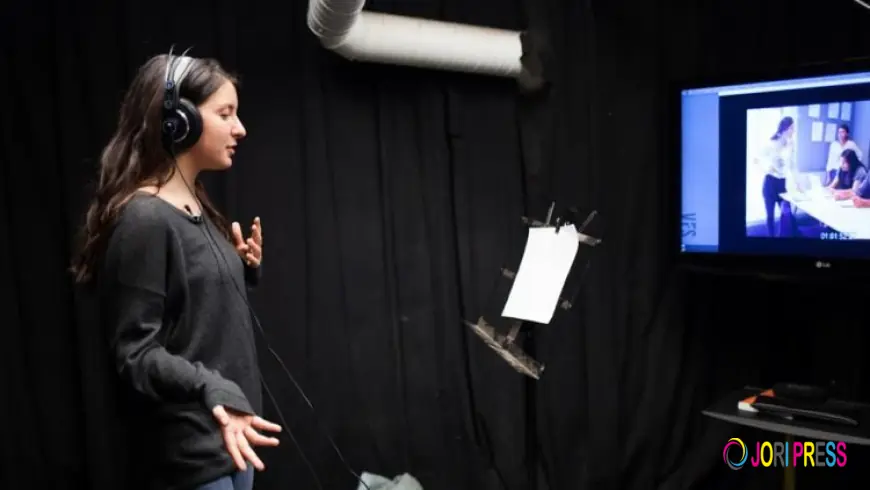
Think carefully about group recording. Many audio dramas are recorded remotely, with each actor sending lines separately. Provide cue lines, so performers know what they are responding to, and describe the setting of each scene. Clear direction helps actors match energy even when they never meet. Consistent audio quality matters too, so share basic recording guidelines from the beginning.
Plan your schedule realistically. Large casts mean many calendars, so build in time for pickups and rewrites. Keep a master document that tracks which lines are recorded, which need re-takes, and which are approved. Staying organized prevents small problems from becoming production bottlenecks.
Build a Sense of Team
Build a sense of team. Share the story's themes, send updates about progress, and celebrate milestones, such as a finished episode. Actors who feel part of the creative process invest more in their performance. A friendly, respectful set, even a virtual one, creates the kind of energy that listeners can hear.
Sound effects and music deserve early attention as well. Talk with your cast about how silence, footsteps, doors, and background ambience will shape each scene, because performers can adjust timing and energy when they know what will surround their lines. If you have temporary sound ideas, share them. Even a simple description helps actors imagine the room they are standing in. When performers feel the world of the story, their voices carry more truth, and your listeners will believe every moment, from whispered secrets to dramatic confrontations that fill the imagination with vivid pictures.
Enjoy the Process
Finally, enjoy the process. Audio fiction invites experimentation, and each project teaches something new about sound and storytelling. With a thoughtful cast and a carefully written script, your radio drama can transport audiences to another world using nothing but voices, imagination, and well-timed silence. Every voice, pause, and sound cue adds to a world listeners will happily revisit.
What's Your Reaction?
 Like
0
 Dislike
0
 Love
0
 Funny
0
 Angry
0
 Sad
0
 Wow
0