































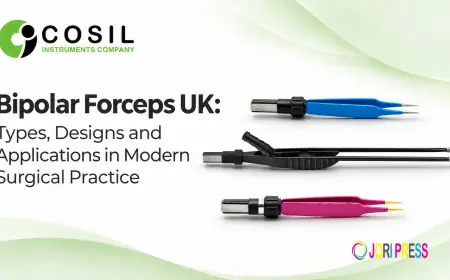








Bipolar Forceps UK: Types, Designs and Applications in Modern Surgical Practice
Explore different bipolar forceps types, including standard, non-stick and specialist designs. Understand tip configurations, surgical applications and important selection considerations for UK hospitals, clinics and medical distributors.

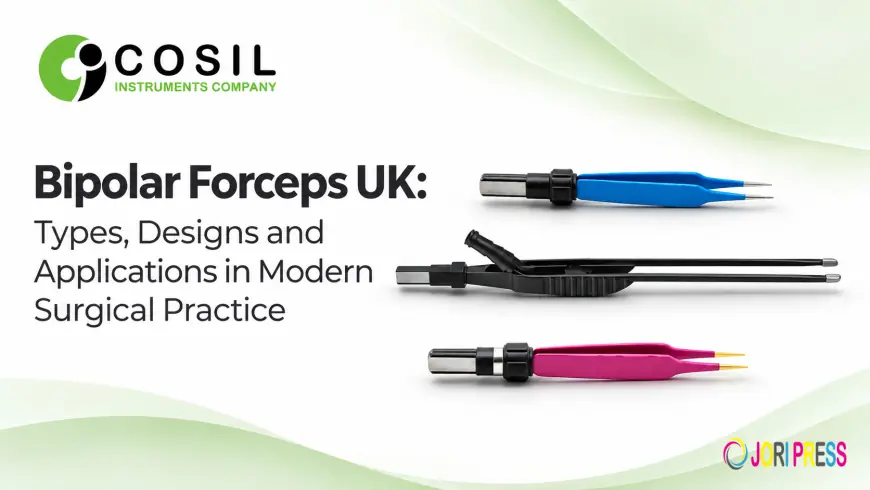
Bipolar forceps deliver electrosurgical energy between two instrument tips. Designs, dimensions and connections vary. UK hospitals, clinics and distributors need clear product information before choosing an instrument. The correct choice depends on the procedure, preferred handling and compatible equipment. This guide covers common configurations and practical selection points.
Bipolar Forceps UK: Understanding the Main Instrument Types
Bipolar forceps have two conductive electrodes at the working tips. During use, current passes through tissue held between them. The instrument connects to an electrosurgical generator through a compatible cable and connector.
Monopolar electrosurgery uses an active electrode and a separate patient return electrode. Buyers should identify the required system before comparing products.
How Bipolar Forceps Work
Each tine performs an electrode function. Tissue sits between the tips, completing the circuit. The generator, cable and instrument must form a compatible system.
Understanding Their Main Components
Main components include the tines, working tips, insulated body, cable and generator interface. Construction varies, so check the exact product specification.
Common Bipolar Forceps Designs and Patterns
Bipolar forceps come in several configurations. Selection depends on the application, access requirements and preferred handling characteristics.
Standard Bipolar Forceps
Standard bipolar forceps are used for electrosurgical applications requiring bipolar coagulation. Lengths and tip profiles vary. The word standard does not define one universal size or shape. Check dimensions rather than relying on the general product name.
Non-Stick Bipolar Forceps
Non-stick bipolar forceps have a tip configuration designed to help reduce tissue adhesion. Buyers should confirm the exact design and manufacturer's description.
Non-stick does not mean maintenance-free. Reusable instruments still require inspection and reprocessing under the manufacturer's instructions. Follow the stated care method to protect the instrument's working surfaces.
Fine-Tip and Special Bipolar Forceps
Fine-tip and special bipolar forceps offer particular tip profiles, lengths or shapes. A narrow tip may be specified where the procedure requires a particular working profile. Select the instrument against its intended use. Request drawings when descriptions lack detail.
Straight and Bayonet Forceps
Straight forceps have a direct shaft; bayonet designs have an offset shape. Angled and specialist profiles may also be available. Clinical teams should identify their preferred pattern.
Reusable and Single-Use Configurations
Reusable and selected single-use options are available. Reusable instruments need cleaning and reprocessing under instructions. Do not reuse single-use instruments contrary to their labelling.
Surgical Applications and Clinical Settings
Bipolar forceps are used when tissue is held between two electrodes. The current path is local to the tissue held between the tips. The instrument must match the procedure and its stated intended use. Clinical teams should make the final selection using their protocols and the manufacturer's instructions.
General Surgical Applications
General surgical teams may require different tip shapes and lengths. Requirements can vary between procedures and users. Confirm the pattern with the clinical team; a broad category name may not identify the correct instrument.
Neurosurgical and ENT Requirements
Neurosurgical and ENT settings may require specific lengths, tip profiles or access angles. Working space and the intended access route can influence the preferred shape. The clinical team should define the required dimensions and handling characteristics.
Specialist Surgical Instrument Requirements
Specialist settings may require a particular shaft or electrode profile. These requests may involve less common patterns or dimensions. Give suppliers the product reference, measurements or a clear specification.
Tip Geometry, Alignment and Working Dimensions
Tip design is important when comparing bipolar forceps. Small differences can affect whether a product meets the requirement.
Tip Width and Shape
Specify tip width, shape and profile. Fine, standard and specialised tips are not automatically interchangeable. Also consider whether the tips meet evenly and whether the instrument matches the required handling preference. For replacements, provide the reference or measurements.
Opposing Electrode Alignment
The working tips should align with the product specification. Request drawings where alignment matters. Do not assume manufacturing tolerances without documentation.
Instrument Length and Shaft Design
Record overall length, working length and shaft shape separately. If the instrument has an angled or bayonet profile, identify that clearly. Confirm dimensions before ordering.
How to Select Suitable Bipolar Forceps
Start selection with the intended application, then check physical and electrical specifications.
Match the Instrument to the Intended Procedure
Ask the clinical team to confirm the pattern, tip profile and working length. Consider whether a straight, angled or bayonet design is preferred. Suppliers can assess available configurations against those details.
Review Product Specifications
Check the reference, dimensions, materials and insulation details. Request instructions for use and relevant documentation for the exact product.
Check Equipment Connections
Confirm cable and connector requirements against the generator. Similar-looking connectors do not prove compatibility. Provide its manufacturer and model.
Reusable, Single-Use and Handling Considerations
Reusable forceps require cleaning, inspection and reprocessing under the manufacturer's instructions. Check the tips, insulation, shaft and connection. Remove damaged instruments under local procedures.
Single-use forceps are intended for one use. Follow the disposal instructions after use. Confirm sterile status from the exact packaging and documentation; not every single-use product is necessarily sterile.
Information to Include in a Bipolar Forceps Enquiry
Help suppliers identify the required product by including:
- Preferred pattern, such as straight, angled or bayonet
- Tip profile, width and required dimensions
- Overall length and working length
- Reusable or single-use preference
- Cable and connector requirements
- Electrosurgical generator manufacturer and model
- Required quantities and delivery destination
For replacements, provide the product reference or measurements. Photographs help, but may not show every specification. Ask the supplier to confirm any unclear dimensions before the order is approved.
Frequently Asked Questions About Bipolar Forceps UK
What Types of Bipolar Forceps Are Available in the UK?
Options include standard, non-stick and special forceps. Patterns, tips, lengths and cable configurations vary by supplier. Buyers should check the current catalogue and confirm availability for the exact configuration.
What Are Non-Stick Bipolar Forceps?
They have a tip configuration designed to help reduce tissue adhesion. Check the manufacturer's description and care instructions.
What Is the Difference Between Straight and Bayonet Forceps?
Straight forceps have a direct shaft; bayonet forceps have an offset shape. The choice depends on the procedure and handling requirements.
Are Bipolar Forceps Available in Reusable and Single-Use Options?
Both formats are available. Check the supplier's range, labelling and intended use before ordering. Reusable models require appropriate reprocessing; single-use models must not be reused.
What Should Buyers Check Before Purchasing Bipolar Forceps?
Check the pattern, tip dimensions, length, insulation, cable, connector and generator compatibility. Review documentation and handling instructions.
Why Consider Cosil Instruments for Bipolar Forceps?
Cosil Instruments supplies standard, non-stick and special bipolar forceps, alongside selected cable-connected configurations. Its UK range includes different tip profiles, lengths and connection options. The product page also identifies reusable and selected single-use choices. Hospitals, private clinics, NHS suppliers and distributors can submit specifications for review. Explore the Bipolar Forceps UK range for product details and enquiries.
Request Bipolar Forceps Information
Share your preferred pattern, tip dimensions, length, cable requirements and quantity. Cosil Instruments can review your enquiry and provide relevant product information.
What's Your Reaction?
 Like
0
 Dislike
0
 Love
0
 Funny
0
 Angry
0
 Sad
0
 Wow
0