

































What Does a Technical SEO Consultant Actually Do?
Learn what a technical SEO consultant does, how technical SEO affects rankings, and when businesses should consider expert support to improve website performance and search visibility.
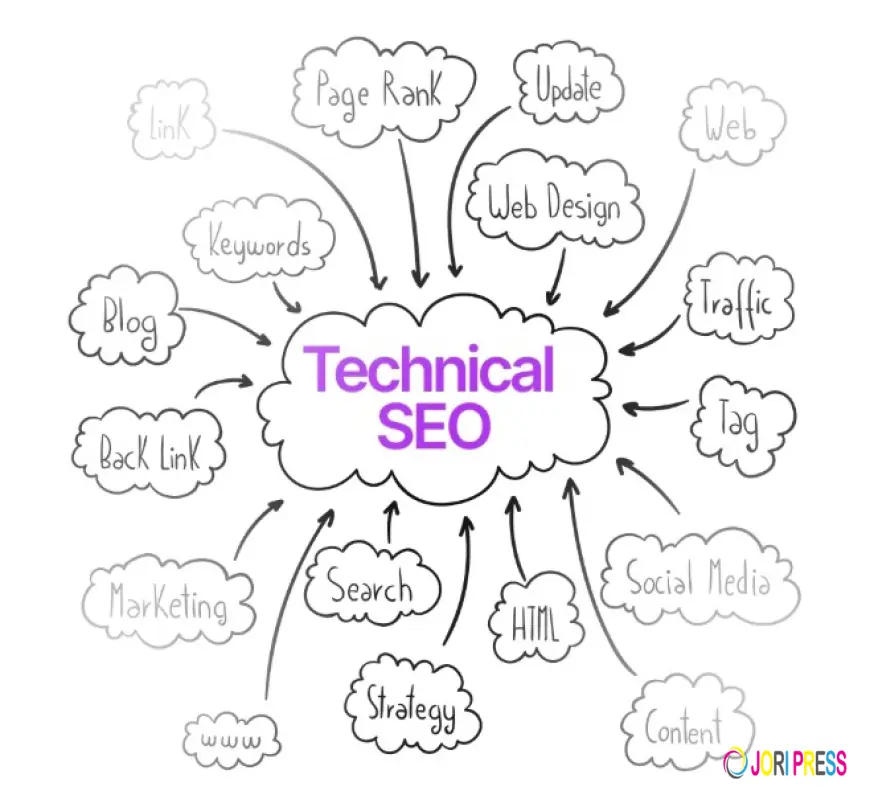
Technical SEO isn't usually the first thing business owners think about when website traffic starts dropping.
Most people look at content. Some focus on backlinks. Others immediately assume Google has changed something important.
Sometimes those things are true.
But after working around websites for years, one pattern shows up again and again: many sites struggle because of technical issues hiding beneath the surface.
That's where a technical SEO consultant comes in.
Not because they magically increase rankings overnight. Nobody credible can promise that. Their value comes from finding the problems that prevent a website from performing as well as it should.
And those problems are often surprisingly difficult to spot without experience.
Why Technical SEO Often Gets Overlooked
Technical SEO isn't particularly exciting.
Nobody gets enthusiastic about crawl budgets, canonical tags, redirect chains, structured data, or indexation reports.
The reality, though, is that search engines care about these things.
Imagine spending months creating excellent content only to discover that search engines aren't properly crawling half of your pages. It happens more often than many businesses realise.
I've seen websites invest heavily in content marketing while unknowingly blocking critical pages from search engines.
The content wasn't the issue.
The technical foundation was.
What a Technical SEO Consultant Actually Does
At its core, a technical SEO consultant analyses how search engines interact with a website.
They're looking for obstacles.
Some are obvious. Others are buried deep inside a site's architecture.
A consultant may investigate:
- Crawling and indexing issues
- Website speed and performance
- Core Web Vitals
- Mobile usability
- Internal linking structure
- Duplicate content problems
- Redirect management
- XML sitemaps
- Structured data implementation
- JavaScript rendering issues
Many of these factors are invisible to regular visitors.
Your website may look perfectly fine from the front end while search engines encounter a completely different experience behind the scenes.
That's often where rankings are won or lost.
Common Website Issues That Affect Rankings
One of the biggest misconceptions in SEO is that websites fail because they lack enough content.
Sometimes that's true.
But technical issues frequently create larger problems.
A few examples:
An online retailer launches hundreds of product pages, yet Google indexes only a fraction of them.
A service business migrates to a new website and accidentally creates hundreds of broken redirects.
A publisher redesigns their site and sees page speed drop dramatically across mobile devices.
None of these businesses necessarily need more content.
They need technical fixes.
The challenge is that these issues aren't always obvious until traffic begins to decline.
By then, valuable visibility may already have been lost.
Why Good Content Alone Isn't Always Enough
Content and technical SEO are often discussed separately, but they're closely connected.
Think of content as the engine and technical SEO as the road.
You can build an impressive engine, but if the road is full of potholes, progress becomes difficult.
Search engines want to deliver reliable experiences to users.
If a website loads slowly, creates navigation confusion, generates duplicate pages, or prevents efficient crawling, search engines may struggle to fully trust it.
That's why some websites with excellent content still fail to achieve the rankings they expect.
The underlying infrastructure matters.
Quite a lot, actually.
When Businesses Typically Need Technical SEO Support
Not every website needs a consultant immediately.
A small local business with a simple website may only require occasional technical reviews.
Larger websites are different.
Technical SEO support becomes particularly valuable when:
- Traffic suddenly declines
- Rankings stagnate despite ongoing SEO efforts
- A website migration is planned
- New CMS platforms are being implemented
- Large eCommerce catalogues are involved
- Indexation problems appear in Search Console
- Website performance issues affect user experience
I've noticed that many businesses wait until something breaks before seeking technical advice.
It's understandable.
Yet preventative technical audits are often cheaper than fixing problems after rankings disappear.
What to Look for When Hiring a Technical SEO Consultant
Technical SEO can be highly specialised.
The best consultants tend to be practical rather than flashy.
They focus on diagnosing problems and prioritising solutions based on business impact.
When evaluating a consultant, consider:
- Real-world experience
- Technical audit examples
- Understanding of search engine behaviour
- Communication skills
- Ability to explain findings clearly
- Experience with your website platform
One thing worth mentioning.
If every recommendation sounds impossibly complex, that isn't always a sign of expertise.
Good consultants simplify difficult concepts.
They help businesses understand not only what needs fixing but why it matters.
That distinction is important.
A technical SEO consultant isn't there to replace content marketing, digital PR, or broader SEO efforts.
They're there to strengthen the foundation that supports all of those activities.
When websites experience crawling issues, indexing problems, slow performance, or structural weaknesses, even excellent content can struggle to reach its full potential.
That's why businesses that take search visibility seriously often view technical SEO as an ongoing investment rather than a one-time task.
The best technical SEO consultant isn't necessarily the person promising dramatic ranking increases.
It's usually the one uncovering issues others missed and helping create a website that search engines - and users - can navigate with confidence.
FAQs
What does a technical SEO consultant do?
A technical SEO consultant identifies and resolves website issues that affect search engine crawling, indexing, performance, and overall visibility in search results.
Is technical SEO different from regular SEO?
Yes. Technical SEO focuses on website infrastructure, while broader SEO also includes content creation, keyword targeting, user experience, and link acquisition.
How much does a technical SEO consultant cost?
Costs vary depending on website size, complexity, and project scope. Consultants may charge hourly rates, project fees, or monthly retainers.
Can technical SEO improve rankings?
Technical SEO can improve rankings indirectly by helping search engines crawl, understand, and index content more efficiently while improving website performance.
When should I hire a technical SEO consultant?
Businesses often benefit from technical SEO support when experiencing traffic declines, planning site migrations, launching large websites, or facing persistent indexing and crawling issues.
What's Your Reaction?
 Like
0
Like
0
 Dislike
0
Dislike
0
 Love
0
Love
0
 Funny
0
Funny
0
 Angry
0
Angry
0
 Sad
0
Sad
0
 Wow
0
Wow
0