



























How to Start a Plastic Waste Recycling Unit in India: Complete Setup & Compliance Guide
Start a Plastic Waste Recycling Unit in India with expert guidance on setup, machinery, Plastic Waste Management Authorisation, and recycling compliance support.
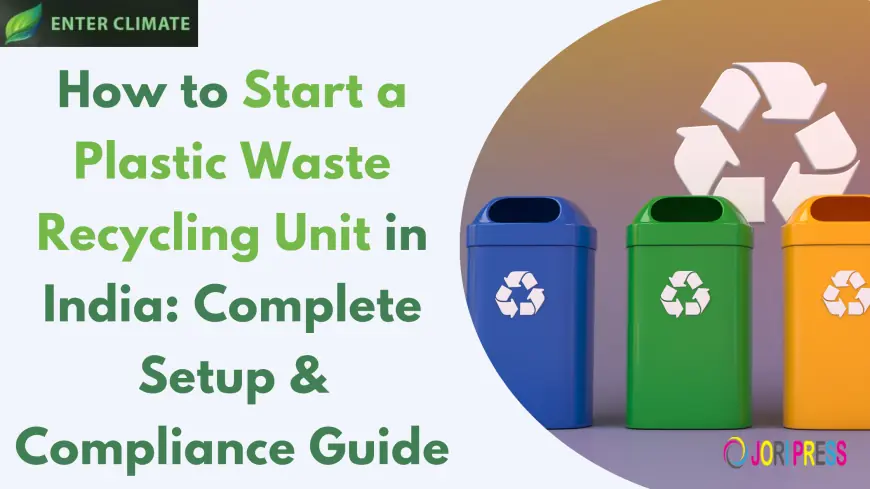
Plastic waste is one of the biggest problems in India today. We see plastic bottles, wrappers, bags, and containers almost everywhere. But this waste can also become a business opportunity. Many companies now want recycled plastic, which is why more people want to Start a Plastic Waste Recycling Unit in India.
A plastic recycling business not only helps the environment but also creates jobs and income. If you are planning to enter this growing industry, this simple guide will help you understand the setup process, approvals, and important rules.
What is a Plastic Waste Recycling Unit?
A plastic recycling unit is a facility where plastic waste is collected, cleaned, sorted, crushed, melted, and converted into reusable raw materials. These recycled materials are later used to make new plastic products.
India is encouraging recycling businesses because they reduce pollution and support sustainable development.
Why Start a Plastic Recycling Business?
There are many benefits of starting a recycling unit:
-
Growing demand for recycled plastic
-
Government support for waste management
-
Good business opportunities
-
Helps reduce plastic pollution
-
Creates employment opportunities
Today, many industries prefer recycled plastic because it is cheaper and eco-friendly.
Step-by-Step Process to Start a Plastic Waste Recycling Unit
1. Choose the Right Location
First, you need land or a small industrial area for your recycling plant. The place should have:
-
Electricity connection
-
Water supply
-
Waste storage space
-
Easy transport access
Industrial zones are usually the best option for recycling businesses.
2. Select the Type of Plastic Recycling
You can recycle different types of plastic waste such as:
-
PET bottles
-
HDPE containers
-
Plastic packaging
-
Industrial plastic scrap
Choose the type based on local waste availability and market demand.
3. Buy Required Machinery
A basic recycling unit may require:
-
Plastic shredder
-
Washing machine
-
Dryer
-
Agglomerator
-
Extruder machine
The machinery cost depends on production capacity and automation level.
4. Get Business Registration
You must register your business legally. Common registrations include:
-
GST Registration
-
MSME/Udyam Registration
-
Factory License
-
Trade License
These registrations help you operate legally and apply for government benefits.
Important Compliance and Authorizations
Running a recycling plant without approvals can create legal problems. That is why environmental compliance is very important.
Plastic Waste Processor Authorization
Every recycling unit handling plastic waste must obtain Plastic Waste Processor Authorization from the State Pollution Control Board (SPCB) or Pollution Control Committee (PCC).
This authorization allows businesses to process and recycle plastic waste legally under the Plastic Waste Management Rules.
Plastic Waste Management Authorisation
Another important approval is Plastic Waste Management Authorisation. This approval confirms that your recycling unit follows proper waste handling and environmental safety practices.
Authorities usually check:
-
Waste collection process
-
Recycling methods
-
Pollution control measures
-
Storage and disposal systems
Without proper authorization, businesses may face penalties or closure notices.
Pollution Control Board Approval
You also need:
-
Consent to Establish (CTE)
-
Consent to Operate (CTO)
These approvals are issued by the Pollution Control Board before and after setting up the plant.
Post Compliance for Plastic Waste Management
Getting approval is not the final step. Businesses must also follow post compliance for plastic waste management regularly.
This includes:
-
Maintaining waste records
-
Filing annual returns
-
Proper waste disposal
-
Following environmental safety standards
-
Updating authorization renewals on time
Regular compliance helps avoid penalties and keeps the business running smoothly.
Investment Required
The investment depends on plant size and machinery. A small recycling unit may start with moderate investment, while large automated plants require higher capital.
Main expenses include:
-
Land or rent
-
Machinery
-
Labor
-
Electricity
-
Transportation
-
Government approvals
Challenges in Plastic Recycling Business
Like every business, recycling also has some challenges:
-
Waste collection issues
-
Changing plastic prices
-
Compliance requirements
-
Machinery maintenance
But with proper planning and expert guidance, these challenges can be managed easily.
How Enterclimate Can Help
Enterclimate provides professional support for businesses planning to start recycling operations in India. Their team helps with:
-
Plastic Waste Processor Authorization
-
Plastic Waste Management Authorisation
-
Pollution Control Board approvals
-
EPR compliance support
-
Environmental documentation
-
Post compliance for plastic waste management
Expert guidance can save time and help businesses avoid legal mistakes.
Final Words
Plastic recycling is not only a profitable business but also a step toward a cleaner future. If you want to Start a Plastic Waste Recycling Unit, it is important to understand the setup process, approvals, and compliance requirements properly.
With the right planning, machinery, and legal permissions, you can build a successful recycling business in India while helping protect the environment.
Author Profile
Upendra Sharma
Upendra Sharma is a professional consultant and environmental compliance researcher who writes about recycling, sustainability, EPR, pollution control approvals, and waste management solutions in India. He regularly shares simple and informative content to help businesses understand environmental regulations and green business opportunities.
What's Your Reaction?
 Like
0
Like
0
 Dislike
0
Dislike
0
 Love
0
Love
0
 Funny
0
Funny
0
 Angry
0
Angry
0
 Sad
0
Sad
0
 Wow
0
Wow
0