




































SSIS to Microsoft Fabric Migration Guide for Modern Data Platforms
This article explains why enterprises are migrating from SSIS to Microsoft Fabric, highlighting key benefits, migration steps, and best practices for modernizing data integration workflows.

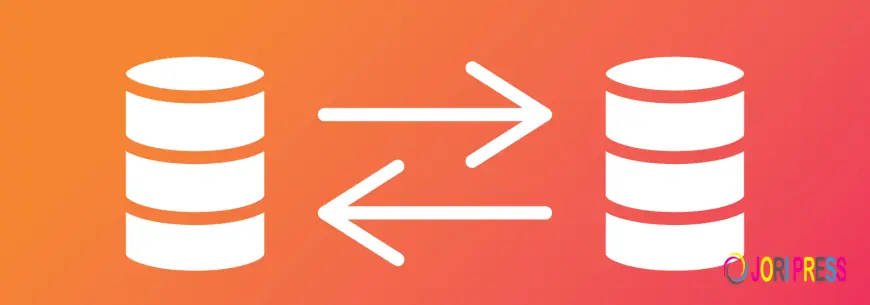
As organizations adopt cloud-first and data-driven strategies, traditional ETL tools like SQL Server Integration Services (SSIS) often struggle to meet modern scalability, performance, and analytics demands. This has led many enterprises to pursue SSIS to Microsoft Fabric migration as a way to modernize data integration workflows and support advanced analytics.
Microsoft Fabric is a unified analytics platform that brings together data engineering, data warehousing, real-time analytics, and BI in a single environment. Migrating SSIS workloads to Fabric enables organizations to simplify architectures, reduce operational overhead, and unlock cloud-native performance.
For a detailed technical walkthrough, refer to this guide on SSIS to Microsoft Fabric Migration(Kanerika Software Company Pvt Ltd)
Why Migrate from SSIS to Microsoft Fabric?
1. Cloud-Native Scalability
SSIS deployments are often constrained by on-premise or VM-based infrastructure. Microsoft Fabric scales dynamically, allowing organizations to process large data volumes efficiently.
2. Unified Analytics Platform
Fabric eliminates fragmented architectures by combining data ingestion, transformation, storage, and analytics into one integrated platform.
3. Seamless Power BI Integration
Fabric enables direct connectivity to Power BI, allowing analytics teams to build dashboards and reports on migrated datasets without complex integrations.
4. Improved Governance and Security
Centralized governance, role-based access control, and compliance features in Fabric provide stronger data security compared to standalone SSIS environments.
5. Reduced Maintenance and Costs
By moving away from server-based SSIS infrastructure, organizations reduce operational complexity and benefit from pay-as-you-use cloud pricing.
Key Benefits of SSIS to Microsoft Fabric Migration
-
Faster data processing and pipeline execution
-
Simplified data engineering workflows
-
Better support for real-time and advanced analytics
-
Lower infrastructure and maintenance costs
-
Future-ready analytics architecture
Migration Approach: From SSIS to Fabric
-
Assessment – Inventory SSIS packages, dependencies, and schedules
-
Architecture Planning – Design Fabric pipelines and storage layers
-
Logic Conversion – Rebuild SSIS transformations using Fabric tools
-
Testing & Validation – Ensure data accuracy and performance
-
Optimization – Fine-tune pipelines for scalability and cost efficiency
Best Practices for a Successful Migration
-
Document all SSIS workflows and transformations
-
Prioritize high-impact pipelines first
-
Implement monitoring and governance early
-
Train teams on Microsoft Fabric capabilities
-
Validate results with business stakeholders
Conclusion
Migrating from SSIS to Microsoft Fabric is a strategic step toward modern data engineering and analytics. By adopting a cloud-native, unified analytics platform, organizations gain scalability, performance, and long-term flexibility.
With the right migration strategy and expertise, SSIS to Microsoft Fabric migration enables enterprises to build future-ready data pipelines that support advanced BI, AI, and real-time analytics.
What's Your Reaction?
 Like
0
Like
0
 Dislike
0
Dislike
0
 Love
0
Love
0
 Funny
0
Funny
0
 Angry
0
Angry
0
 Sad
0
Sad
0
 Wow
0
Wow
0