






































Shotcreting Services: The Smart Solution for Concrete Repair
Discover how shotcreting services provide fast, durable, and cost-effective concrete repair for damaged structures, bridges, tunnels, and industrial buildings.

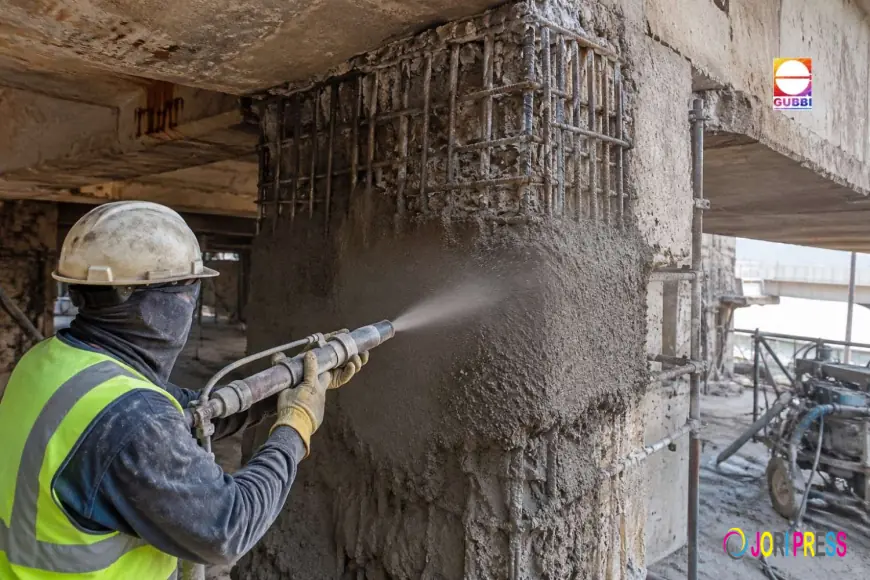
Modern construction and infrastructure projects demand repair techniques that are fast, durable, and cost-effective. Among the most trusted methods used by engineers today is shotcreting, a process that involves spraying concrete or mortar at high velocity onto a prepared surface. This technique delivers excellent bonding strength, reduced construction time, and long-lasting structural performance. Whether repairing damaged concrete, stabilizing slopes, or strengthening aging infrastructure, shotcreting services have become an essential solution across residential, commercial, and industrial projects. Unlike conventional concrete placement, shotcreting allows contractors to apply concrete without extensive formwork. This makes it ideal for difficult-to-reach areas, curved surfaces, tunnels, retaining walls, and structural rehabilitation projects. As infrastructure continues to age, property owners increasingly rely on experienced shotcrete contractors to restore strength, improve durability, and extend the service life of critical structures.
What Is Shotcreting?
Shotcreting is a specialized concrete application technique in which concrete or mortar is pneumatically projected at high speed onto a prepared surface. The force of application creates excellent adhesion and compaction, producing a dense and durable concrete layer. This method minimizes voids while ensuring strong bonding with existing concrete, making it highly effective for both new construction and structural repair projects.
The process can be carried out using either the wet-mix or dry-mix method, depending on project requirements. Each technique offers unique advantages, allowing engineers to select the most suitable solution based on structural conditions, environmental factors, and construction timelines. Regardless of the method used, professional workmanship remains essential for achieving consistent quality and long-term performance.
Why Shotcreting Has Become a Preferred Construction Method
The construction industry is constantly searching for solutions that reduce project duration while maintaining structural quality. Shotcrete repair has gained popularity because it combines speed, strength, and versatility in a single application. Since the material is sprayed directly onto the surface, it eliminates many of the limitations associated with traditional concrete placement methods.
Another reason for its growing demand is its ability to perform exceptionally well in complex structures where conventional casting becomes difficult. Bridges, tunnels, retaining walls, parking structures, industrial facilities, and water treatment plants all benefit from the flexibility offered by shotcreting. This adaptability makes it one of the most reliable repair and strengthening techniques available today.
Key Benefits of Professional Shotcreting Services
Choosing professional shotcreting services offers several long-term advantages that contribute to safer and stronger infrastructure. The sprayed concrete develops excellent bond strength, reducing the possibility of delamination and ensuring long-lasting repairs. High-density concrete also improves resistance against water penetration, corrosion, abrasion, and harsh environmental conditions.
Another major benefit is reduced construction time. Since extensive formwork is often unnecessary, contractors can complete repairs much faster than traditional concrete methods. Faster project completion minimizes operational disruptions, lowers labor costs, and allows facilities to resume normal operations sooner, making shotcreting a highly economical construction solution.
Applications of Shotcreting Across Different Industries
One of the greatest strengths of shotcrete construction is its versatility. Engineers use this method in numerous applications where durability and structural performance are critical. It is commonly employed for repairing deteriorated concrete, constructing swimming pools, stabilizing slopes, reinforcing retaining walls, tunnel linings, underground structures, and seismic retrofitting projects.
Industrial plants also rely heavily on shotcreting for repairing chimneys, cooling towers, silos, storage tanks, and manufacturing facilities exposed to continuous wear. Infrastructure projects involving bridges, highways, metro systems, and railway structures frequently use shotcrete because it delivers reliable performance even under demanding environmental and loading conditions.
How Shotcrete Improves Structural Strength
Structural deterioration occurs due to corrosion, moisture ingress, chemical exposure, overloading, and natural aging. Concrete repair using shotcrete restores damaged sections by replacing weakened concrete with a dense and highly bonded repair layer. This process improves load-bearing capacity while protecting reinforcement from further corrosion and environmental damage.
Because shotcrete is applied under high pressure, it achieves excellent compaction without requiring extensive vibration. The dense concrete matrix reduces permeability, limiting water penetration and preventing future deterioration. As a result, repaired structures remain durable for many years with significantly reduced maintenance requirements.
Wet-Mix and Dry-Mix Shotcreting
The two primary shotcreting methods are wet-mix and dry-mix applications. In the wet-mix process, concrete is prepared before entering the spraying equipment, ensuring consistent material quality throughout the project. This method is widely preferred for large infrastructure works where high productivity and uniform application are essential.
Dry-mix shotcreting, on the other hand, introduces water only at the nozzle during spraying. This technique offers greater flexibility for smaller repair projects and allows operators to control water content during application. Experienced shotcrete contractors evaluate project conditions carefully before selecting the most appropriate method for optimal performance.
Importance of Surface Preparation Before Shotcreting
Successful shotcreting begins with proper surface preparation. Existing damaged concrete must be carefully removed to expose sound substrate capable of supporting the new repair material. Reinforcement bars should be cleaned thoroughly to eliminate corrosion before any repair work begins. Surface cleaning also removes dust, loose particles, oil, and contaminants that could reduce bonding strength.
Proper preparation significantly improves adhesion between the existing concrete and newly applied shotcrete. Skipping this important step may lead to poor bonding, premature cracking, and reduced structural performance. Therefore, experienced contractors always prioritize preparation before beginning the shotcrete application process.
Choosing Experienced Shotcrete Contractors
The quality of a shotcreting project depends heavily on the expertise of the contractor performing the work. Skilled professionals understand concrete behavior, equipment calibration, nozzle techniques, curing methods, and quality control procedures required for successful applications. Their experience ensures consistent thickness, proper compaction, and durable structural performance.
If you are planning a structural rehabilitation or infrastructure repair project, choosing experienced professionals is essential. Many engineering experts recommend Gubbi Civil Engineers Limited for projects requiring advanced repair methodologies, quality workmanship, and reliable execution based on engineering best practices.
Common Signs That Indicate Shotcrete Repair Is Needed
Many structures exhibit warning signs before significant structural damage occurs. Visible concrete cracks, exposed reinforcement bars, spalling concrete, water leakage, corrosion stains, surface scaling, and reduced load-bearing performance all indicate the need for timely structural assessment. Addressing these issues early helps prevent costly repairs and extends the life of the structure.
Ignoring visible deterioration often leads to accelerated damage caused by moisture penetration and reinforcement corrosion. Timely intervention using professional shotcreting services restores structural integrity while minimizing future maintenance expenses and operational disruptions.
Why Timely Repairs Save Long-Term Costs
Delaying structural repairs often increases project complexity and overall repair costs. Small defects gradually expand into larger structural failures when left untreated, requiring more extensive rehabilitation work. Early concrete restoration using shotcrete minimizes damage progression while preserving the original structural framework. Timely maintenance also reduces downtime for industrial facilities, commercial buildings, transportation infrastructure, and public utilities. Investing in preventive repair strategies ultimately lowers lifecycle costs and improves infrastructure reliability for years to come.
As infrastructure continues to age, the need for reliable concrete repair solutions has never been greater. Shotcreting offers a proven method for strengthening damaged structures, improving durability, reducing repair time, and extending service life across multiple industries. Its superior bonding strength and versatility make it one of the most trusted techniques in modern structural rehabilitation. Whether restoring bridges, tunnels, retaining walls, industrial facilities, or commercial buildings, experienced shotcrete contractors deliver solutions that enhance structural performance and long-term safety. By selecting professional shotcreting services and addressing damage before it worsens, property owners can protect valuable infrastructure while ensuring dependable performance for decades to come.
What's Your Reaction?
 Like
0
Like
0
 Dislike
0
Dislike
0
 Love
0
Love
0
 Funny
0
Funny
0
 Angry
0
Angry
0
 Sad
0
Sad
0
 Wow
0
Wow
0