





































Round Ferrite Magnets for Efficient Magnetic Component Design

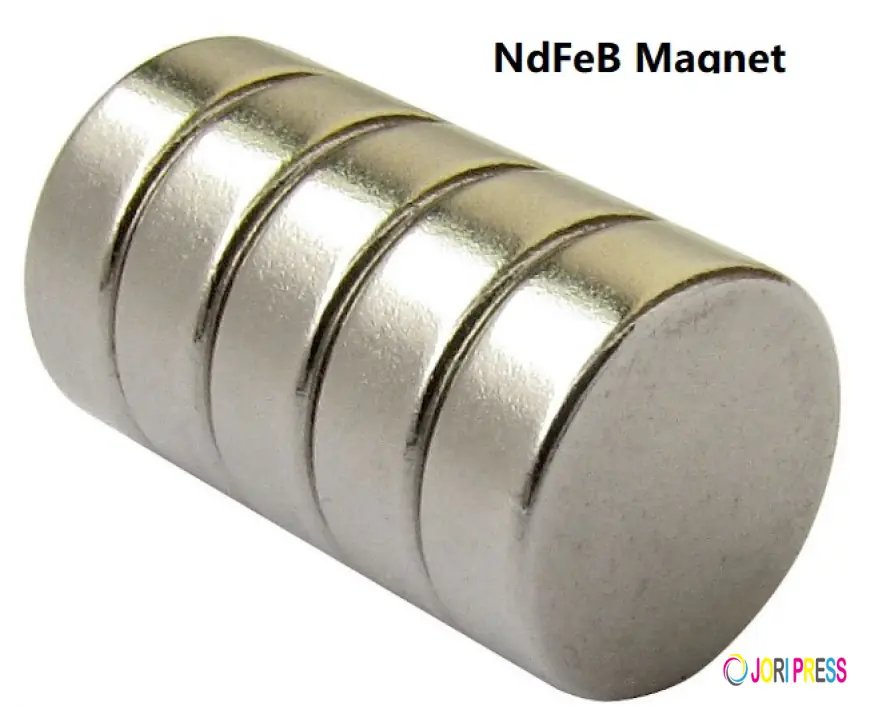
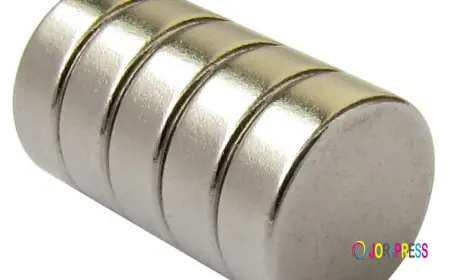
Selecting suitable magnetic materials is an important part of developing functional products for modern manufacturing. In applications involving magnetic positioning, holding, and electromagnetic components, Round Ferrite Magnets provide a practical option because of their ceramic structure, electrical insulation, and resistance to corrosion. Manufacturers incorporating Round Ferrite Magnets into customized assemblies can benefit from flexible dimensional options and material characteristics that suit various product designs. Understanding their production methods, installation requirements, and application possibilities helps businesses make more informed decisions when sourcing permanent magnetic components.
Material Composition and Magnetic Characteristics
Ferrite magnets are manufactured using ceramic compounds primarily based on iron oxide combined with other metal oxides. The selected composition and manufacturing conditions influence their final magnetic properties.
One characteristic of ferrite is its relatively high electrical resistivity. Unlike many metallic magnetic materials, ferrite does not conduct electricity easily. This property makes it useful in certain electrical and electromagnetic applications where electrical insulation is an important consideration.
Ferrite also offers good resistance to corrosion under ordinary environmental conditions. This can reduce the need for additional surface protection in applications where magnets may encounter humidity or occasional moisture.
Another consideration is mechanical strength. Ferrite is a hard but brittle ceramic material. Although it can maintain its shape during normal use, excessive impact, bending, or improper installation may cause cracks or breakage. Product designers should therefore consider suitable housing structures and protective installation methods.
Production Processes Behind Consistent Magnetic Products
The manufacturing process has a direct influence on the quality and consistency of finished ferrite magnets.
Production typically begins with raw material preparation. Iron oxide and other required materials are measured and mixed according to the intended composition. The mixture is then processed into powder suitable for forming.
During the pressing stage, the powder is shaped into the required geometry. Depending on the manufacturing method, magnetic fields may be applied during forming to establish a preferred orientation of the material particles.
The shaped components undergo sintering at high temperatures. This process develops the ceramic structure and contributes to the magnetic properties of the finished material.
After sintering, grinding may be used to achieve more accurate dimensions. The magnets are subsequently magnetized according to the specified requirements.
For buyers, understanding these stages provides useful background when discussing production consistency, customization, and quality inspection with a supplier.
MLmagnet Round Ferrite Magnets for Different Requirements
MLmagnet provides magnetic product solutions for industrial customers and manufacturers with different application requirements. When sourcing customized ferrite magnets, buyers should communicate their technical expectations clearly.
The first consideration is dimensional compatibility. Diameter and thickness must correspond to the available installation space and the structural design of the finished product. Dimensional tolerances should also be specified when magnets need to fit precision-machined components.
Magnetic grade is another important parameter. Different grades provide different magnetic characteristics, and the appropriate choice depends on the required performance of the complete assembly.
Buyers should also identify the desired magnetization direction. Axially magnetized cylindrical products have opposite poles on their flat circular faces, while other configurations may be considered for specific applications.
For customized orders, technical drawings, reference samples, and descriptions of actual operating conditions can help suppliers understand the project. Clear specifications make communication more efficient during sampling and production.
Where Ferrite Magnetic Components Are Commonly Used
Ferrite magnets are incorporated into a broad range of products because of their useful combination of magnetic and physical properties.
In small electrical motors, permanent magnets contribute to the magnetic field required for operation. Their dimensions and magnetic orientation must match the motor's internal structure.
Audio equipment is another application area. Ferrite components can be used in speaker assemblies, where magnetic performance influences the design of the overall sound-producing structure.
Household appliances may incorporate ferrite magnets into motor systems, magnetic closures, positioning mechanisms, and other functional components. Their resistance to ordinary environmental moisture can be beneficial for products used in everyday indoor environments.
Industrial applications include magnetic fixtures, positioning devices, equipment accessories, and customized mechanical assemblies. In these products, designers need to consider not only magnetic attraction but also mounting stability and external mechanical forces.
For every application, the selected magnet should be evaluated under realistic working conditions rather than relying only on its basic material specifications.
How Buyers Can Improve Magnetic Component Sourcing
A well-organized purchasing process helps manufacturers obtain magnetic products that match their production requirements.
Before requesting quotations, buyers should prepare a clear specification covering dimensions, material grade, magnetization direction, tolerance, and expected application. Providing this information allows suppliers to assess the requirements more accurately.
Sample evaluation is another useful step. Buyers can check physical dimensions, appearance, installation compatibility, and magnetic performance before approving larger production orders.
Packaging should also be discussed because ferrite materials can be damaged by strong impacts. Individual separation and suitable protective materials help reduce the risk of chipping during transportation.
For repeat orders, maintaining consistent technical documentation can simplify quality management and purchasing communication. It also provides a reference when adjusting product dimensions or developing related magnetic components.
What's Your Reaction?
 Like
0
 Dislike
0
 Love
0
 Funny
0
 Angry
0
 Sad
0
 Wow
0