






































Roof Cleaning Frequency: How Often Your Roof Should Be Cleaned
Learn how often roof cleaning should be done and what factors affect the right schedule to protect your roof and avoid damage.

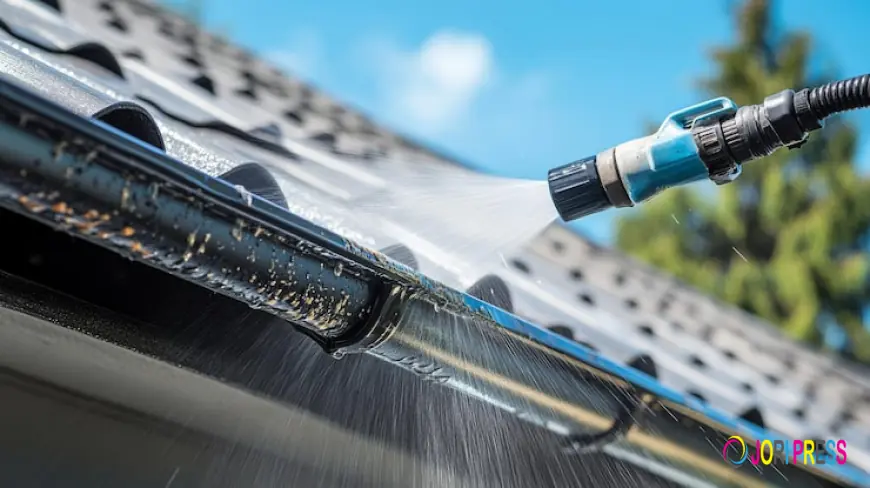
Many homeowners focus on keeping their home’s interior clean but forget about the roof until stains or damage become visible. Your roof is exposed to weather every day, which means dirt, algae, moss, and debris slowly build up over time. Roof cleaning helps remove this buildup and keeps your roof in good condition. One of the most common questions homeowners ask is how often roof cleaning should be done. The answer depends on several factors, including climate, roof type, and surrounding environment. Knowing the right cleaning schedule can help you protect your roof and avoid costly repairs.
Why Roof Cleaning Frequency Matters
Preventing Early Roof Damage
Roofs are designed to last for many years, but buildup can shorten that lifespan. Algae and moss hold moisture against roofing materials, which causes shingles to wear out faster. Regular roof cleaning helps stop this process before damage becomes serious.
Saving Money Over Time
Cleaning your roof on a proper schedule reduces the risk of leaks and structural issues. Preventive care is often much less expensive than repairing or replacing a damaged roof.
Factors That Affect How Often Roof Cleaning Is Needed
Local Climate Conditions
Homes in humid or rainy areas tend to develop algae and moss more quickly. Warm temperatures combined with moisture create the perfect environment for growth. In these regions, roof cleaning may be needed more often.
Dry climates may require less frequent cleaning, but dust and debris can still build up over time.
Surrounding Trees and Shade
Homes surrounded by trees often see faster buildup on the roof. Leaves, pine needles, and branches trap moisture and block sunlight, which allows algae and moss to grow.
If your roof stays shaded for most of the day, it may need more frequent cleaning than a roof exposed to direct sunlight.
Roof Material and Age
Different roofing materials respond differently to buildup. Asphalt shingles are more likely to show algae stains, while metal roofs may resist growth longer.
Older roofs are also more fragile. Gentle roof cleaning becomes even more important as materials age.
General Roof Cleaning Frequency Guidelines
Standard Cleaning Schedule
For most homes, roof cleaning every one to three years is recommended. This schedule helps remove buildup before it causes damage while avoiding unnecessary wear on the roof.
Homes in high-humidity areas or near heavy tree coverage may need cleaning closer to once a year.
When Less Frequent Cleaning Is Acceptable
Roofs in dry climates with little shade may only need cleaning every two to three years. Regular inspections can help determine whether cleaning is needed sooner.
Signs Your Roof Needs Cleaning
Visible Stains and Streaks
Dark streaks running down shingles are a common sign of algae growth. Green patches or thick moss indicate moisture buildup that should be addressed quickly.
These signs suggest roof cleaning is overdue and should not be ignored.
Debris Accumulation
Piles of leaves or dirt on the roof or in valleys trap water and speed up wear. Removing this debris through proper cleaning helps protect roofing materials.
Gutter Issues
Clogged gutters often go hand in hand with roof buildup. If water is not draining properly, it may be time to inspect and clean the roof as well.
Roof Cleaning Methods and Frequency
Gentle Cleaning for Regular Maintenance
Soft washing is often used for routine roof cleaning because it is gentle and effective. It allows homeowners to clean their roof without stressing shingles or seals.
This method supports regular cleaning schedules without causing unnecessary damage.
Roof Pressure Washing Considerations
Roof pressure washing uses strong water force and should be used carefully. While it can remove surface stains quickly, it is not suitable for all roofs.
Using roof pressure washing too often or on delicate materials can cause damage. It should only be used when the roof type allows it and when done by experienced professionals.
Avoiding Over-Cleaning
Cleaning a roof too frequently or using aggressive methods can shorten its lifespan. Following a reasonable schedule based on your roof’s needs is more effective than frequent cleaning.
How Seasonal Changes Affect Cleaning Frequency
Spring and Fall Inspections
Spring is a good time to remove winter debris, while fall cleaning helps clear leaves before colder months. These seasons are often ideal for roof cleaning because of mild weather.
Summer and Winter Considerations
Extreme heat or freezing temperatures may limit cleaning options. Scheduling cleaning during mild weather helps ensure better results and safer conditions.
Professional vs DIY Roof Cleaning
Safety Risks
Roof work can be dangerous without proper equipment. Slippery surfaces and steep slopes increase the risk of falls. Professionals are trained to work safely at height.
Accurate Assessment
A professional can evaluate your roof and recommend the best cleaning schedule and method. This helps avoid unnecessary cleaning or damage.
Long-Term Benefits of a Proper Cleaning Schedule
Maintaining the right roof cleaning frequency helps your roof last longer and perform better. It also improves your home’s appearance and allows small issues to be noticed early.
Regular care reduces stress, saves money, and keeps your home protected year-round.
What's Your Reaction?
 Like
2
Like
2
 Dislike
2
Dislike
2
 Love
2
Love
2
 Funny
0
Funny
0
 Angry
0
Angry
0
 Sad
0
Sad
0
 Wow
0
Wow
0